




What's Happening?
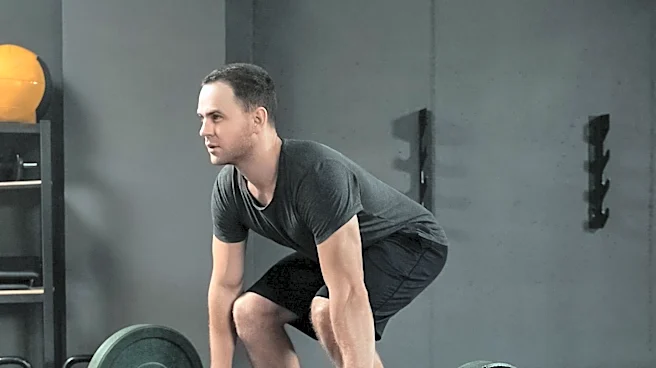
Effective breathing techniques are essential for safe and efficient weightlifting, particularly exhaling during the lifting phase and inhaling during the lowering phase. This method helps manage blood pressure spikes that can occur during strenuous lifts.
Holding one's breath, known as the Valsalva maneuver, significantly increases blood pressure and intra-abdominal pressure, which can be risky for individuals with pre-existing conditions like high blood pressure, heart disease, glaucoma, or hernias. While a brief breath hold can offer spinal stability for very heavy lifts (above 80% of one's one-rep max), it is generally advised against for everyday training and for those new to lifting. Studies have shown that exhaling during the effort can produce comparable force to holding one's breath, without the associated health risks. For exercises like push-ups and squats, the principle remains consistent: breathe in as you lower and out as you push or stand up. Maintaining a steady breathing rhythm throughout a set is crucial, especially as weights get heavier.
Why It's Important?
The proper application of breathing techniques in weightlifting has significant implications for the health and safety of individuals engaging in strength training. Mismanaged breathing, particularly prolonged breath-holding, can lead to dangerous spikes in blood pressure, potentially increasing the risk of cardiovascular events, especially in susceptible populations. By promoting exhaling during exertion, lifters can mitigate these risks, making strength training more accessible and safer for a broader demographic. This understanding is vital for fitness professionals, gym operators, and individuals, as it informs best practices for exercise prescription and personal training. Adopting correct breathing habits can prevent injuries, improve performance by optimizing oxygen flow, and ensure the long-term sustainability of a weightlifting regimen, thereby contributing positively to public health outcomes related to physical activity.
What's Next?
The continued emphasis on proper breathing in weightlifting suggests a need for broader education and integration into fitness programs. Gyms and personal trainers are likely to reinforce these techniques, potentially incorporating more explicit breathing instructions into their training protocols. Educational materials, fitness apps, and online resources will probably expand their content to detail these methods, making them more accessible to the general public. For individuals, the next step involves consciously practicing these breathing patterns during their workouts until they become second nature. Further research may explore the nuanced benefits of different breathing strategies for specific types of lifts or populations, potentially leading to more refined guidelines. The focus will remain on balancing performance enhancement with injury prevention and long-term health.
Beyond the Headlines
Beyond the immediate health and safety benefits, the discussion around breathing in weightlifting touches upon the deeper connection between mind and body in physical exertion. The conscious control of breath, often overlooked in the pursuit of strength, highlights a fundamental physiological process that underpins all physical activity. This emphasis on controlled breathing can foster greater body awareness and mindfulness during exercise, transforming a purely physical endeavor into a more holistic practice. It also underscores the importance of individualized training approaches, recognizing that not all techniques are suitable for everyone, especially those with underlying health conditions. This nuanced understanding challenges the 'no pain, no gain' mentality, advocating for a more informed and health-conscious approach to fitness that prioritizes well-being alongside performance.