







What's Happening?
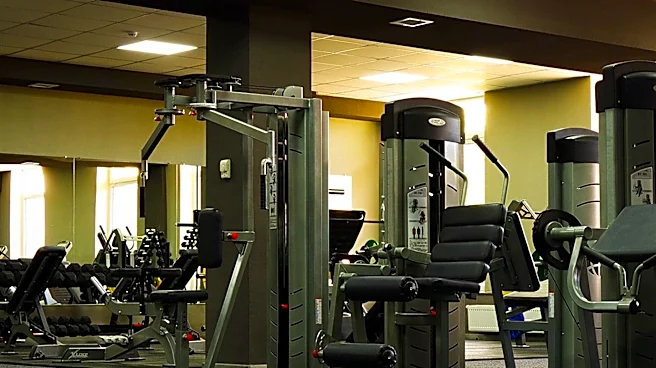
The Student Recreation Center at Georgia State University serves as a central hub for students, extending beyond a traditional gym to become a significant social and identity-shaping space. Located in downtown Atlanta, the rec center reflects the university's
urban campus environment, being busy, loud, and constantly active. Students utilize the facility for various reasons, including fitness goals, intramural sports, stress relief, and socializing. The center's influence is amplified by social media, with students frequently posting workouts and gym progress on platforms like TikTok and Instagram, making college gym culture more public and identity-based. Its design incorporates modern concepts of wellness, productivity, and student engagement, aligning with broader university goals to enhance student involvement and retention by fostering community and routine outside of academics.
Why It's Important?
The Georgia State rec center's role highlights a significant shift in college campus life, where fitness facilities are increasingly becoming integral to student social and personal development. This trend impacts student well-being by providing accessible avenues for physical activity and mental stress management. The integration of social media into gym culture also reflects evolving digital behaviors among young adults, where personal branding and online presence are intertwined with real-world activities. For universities, such centers are vital tools for student retention and community building, offering a centralized space for interaction in urban settings where traditional campus green spaces might be limited. This model could influence future university planning and design, emphasizing multi-functional spaces that cater to both physical and social needs.
What's Next?
The Georgia State rec center is expected to continue evolving as a dynamic space that adapts to student needs and emerging fitness trends. Its ongoing connection to digital platforms and social media will likely further integrate online and offline fitness experiences. Universities may increasingly invest in similar multi-functional facilities, recognizing their importance in student engagement and mental health support. The center's role in connecting various aspects of campus life—athletics, mental health, social interaction, and academics—suggests a future where such facilities are seen as holistic wellness hubs. This could lead to more interdepartmental collaborations, offering integrated programs that address diverse student needs, from physical training to stress management workshops.
Beyond the Headlines
The Georgia State rec center exemplifies a broader cultural phenomenon where fitness spaces transcend their primary function to become arenas for identity construction and social interaction. The emphasis on 'approachable athleticism' and community within such environments suggests a move away from purely performance-driven fitness towards inclusive well-being. This shift has ethical implications regarding body image and social pressures, particularly given the pervasive influence of social media. The center's ability to equalize status markers through shared physical exertion points to a unique social dynamic, where diverse individuals connect through common goals. This deeper implication suggests that modern fitness centers are not just about physical health but also about fostering a sense of belonging and shared human experience in an increasingly fragmented society.