


What's Happening?
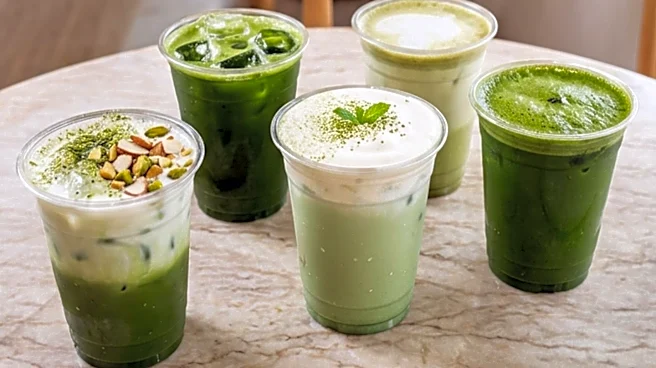
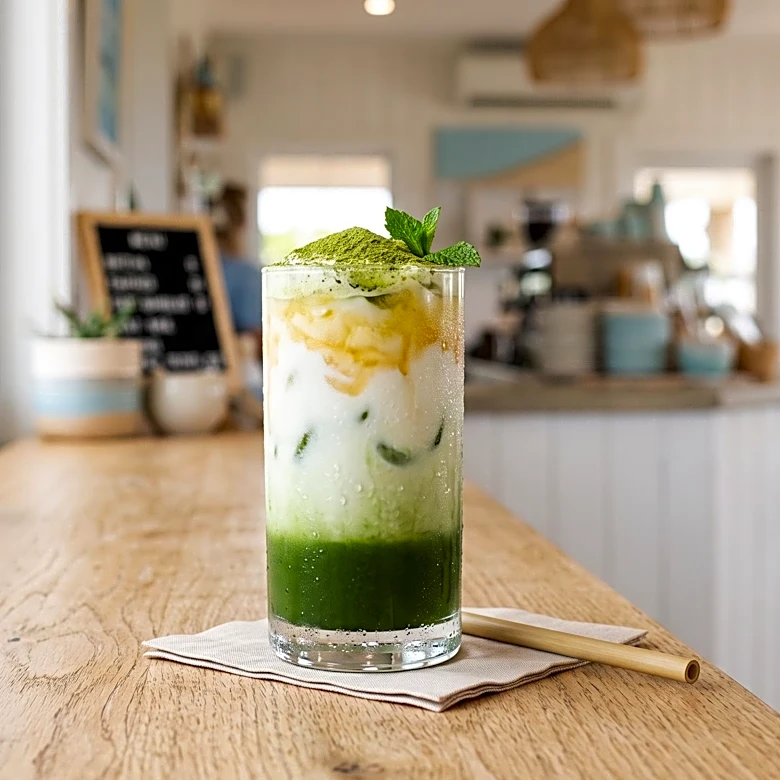
MR JADE Coffee, located at R01, Burj Crown in Downtown Dubai, is offering a diverse range of non-coffee beverages, with a particular focus on matcha. The establishment serves eight different matcha drinks, alongside hot chocolate, a rotating selection
of teas, and still and sparkling water. The matcha used is organic Japanese matcha sourced from Kyoto, specifically from a plantation that Jade Sen leases. Customers can enjoy their matcha hot or iced, prepared with fresh Dubai farm milk, oat milk, or coconut milk from Bali. The cafe is situated near prominent landmarks such as the Dubai Mall and Burj Khalifa and opens daily at 7 AM. For those new to matcha, an Iced Matcha Latte is recommended, while hot chocolate is suggested for a sweet and warming option.
Why It's Important?
The presence of a dedicated matcha offering like MR JADE Coffee in a major international hub like Downtown Dubai signifies the global expansion and increasing popularity of specialty beverages. While this specific source is not U.S.-based, the trend it represents is highly relevant to the U.S. market. The growing demand for high-quality, diverse non-coffee options, particularly matcha, reflects evolving consumer preferences in the U.S. for healthier, unique, and culturally rich drink experiences. This trend influences U.S. cafes and beverage companies to diversify their menus, source premium ingredients, and cater to a more sophisticated palate. It also highlights the potential for U.S. businesses to explore similar specialized concepts, particularly in urban centers with diverse populations.
What's Next?
The success of specialized beverage establishments like MR JADE Coffee in international markets could encourage further investment and expansion of similar concepts globally, including in the U.S. As consumer awareness and appreciation for matcha continue to grow, U.S. cafes and beverage retailers are likely to enhance their matcha offerings, focusing on quality sourcing and diverse preparations. This could lead to more dedicated matcha bars or expanded matcha menus in existing coffee shops and health-focused eateries across the United States. The emphasis on organic and ethically sourced ingredients, as seen with MR JADE's Kyoto matcha, is also a trend that U.S. consumers increasingly value, suggesting a future where ingredient transparency and quality are paramount.
Beyond the Headlines
The global rise of matcha, exemplified by MR JADE Coffee's extensive menu, points to a broader cultural phenomenon where traditional beverages from one region gain significant traction worldwide. Matcha, deeply rooted in Japanese culture, is now a global commodity, influencing dietary habits and social trends. This cross-cultural adoption can lead to interesting fusions and innovations in the beverage industry. For the U.S., it signifies a continued shift towards globalized tastes and a greater appreciation for the health and wellness aspects associated with such drinks. It also raises questions about the authenticity and sustainability of sourcing these ingredients as demand escalates, potentially impacting agricultural practices and trade relationships between countries.