


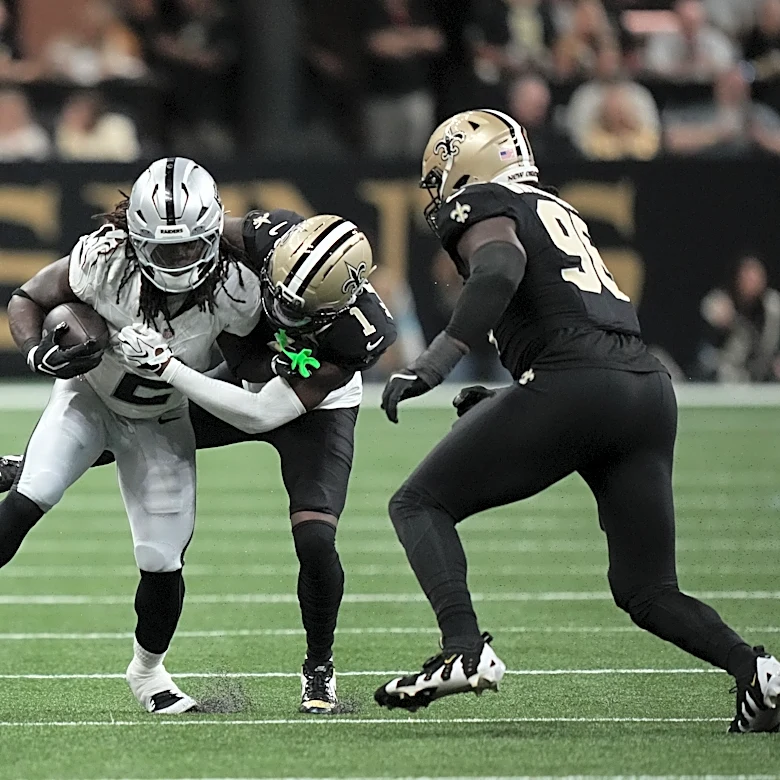
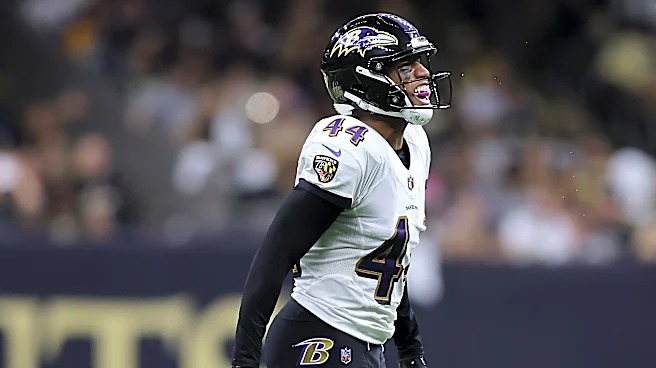
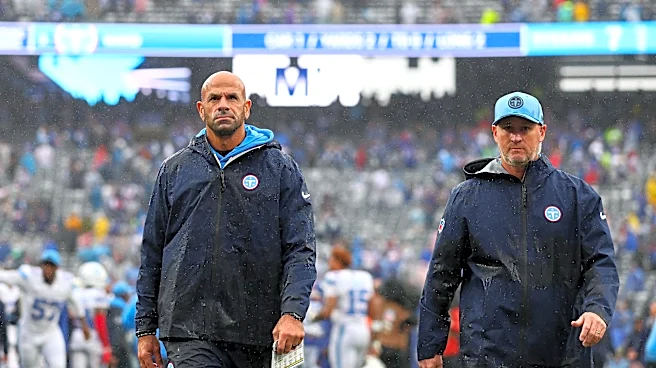
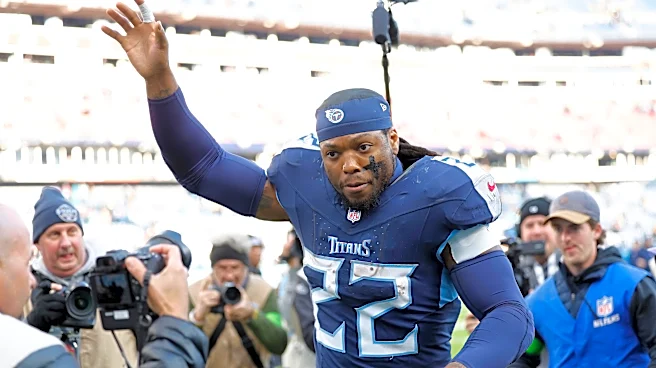
What's Happening?
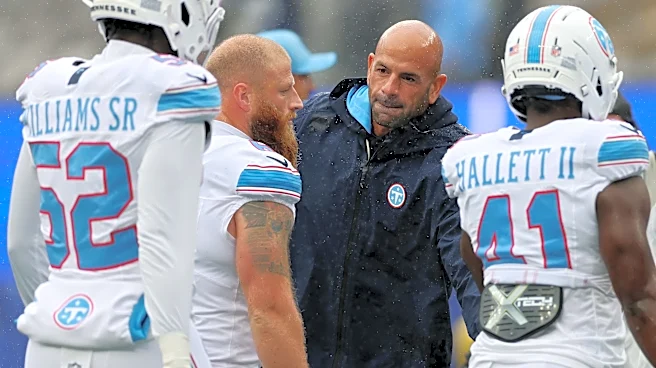
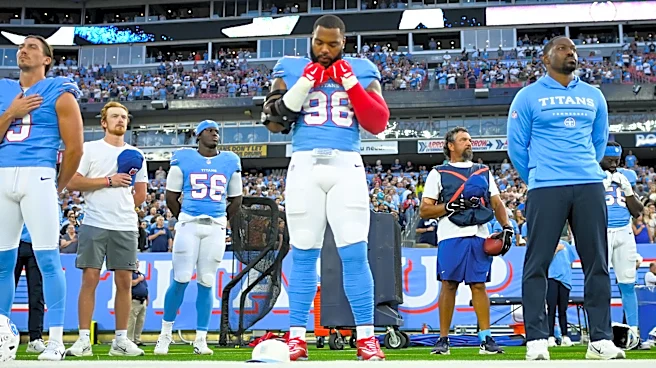
Tennessee Titans Head Coach Brian Callahan, hired in late January 2024, publicly stated the team was open to Derrick Henry returning, acknowledging his unique talent. However, the reality of Henry's departure was more complex. Henry recently commented
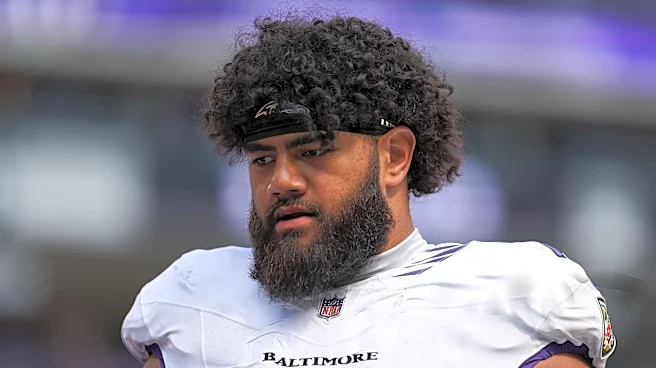
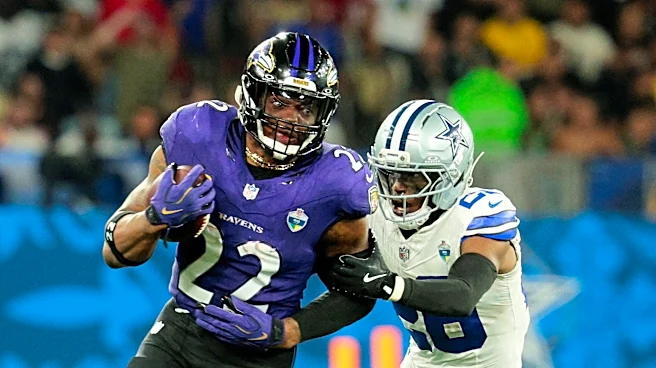
that the Titans 'shipped him out,' implying he was not given an opportunity to return after the 2023 season. While Henry's statement suggests a one-sided decision, the situation was reportedly a mutual understanding. The Titans did not offer Henry a new contract, but Henry was also not keen on accepting one, as he sought to play for a championship contender like the Baltimore Ravens. Both parties maintained a public stance of openness while privately moving in different directions.
Why It's Important?
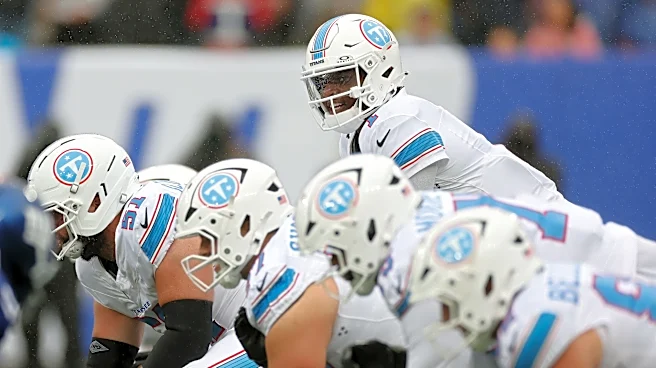
The departure of a franchise player like Derrick Henry marks a significant shift in the Tennessee Titans' strategic direction. The team's decision not to re-sign Henry, despite his continued high-level performance, signals a move away from a run-heavy offense built around a singular back. This change is further emphasized by the subsequent hiring of Brian Callahan and the acquisition of players like Calvin Ridley and Lloyd Cushenberry, indicating a pivot towards a more pass-oriented scheme with quarterback Will Levis. This strategic overhaul carries substantial implications for the team's identity, offensive philosophy, and competitive outlook. While letting Henry go was a defensible move given the team's desire for a new direction, the subsequent decisions regarding player acquisition and team building will be crucial in determining the success of this new era.
What's Next?
The Titans will continue to build their roster and refine their new offensive scheme under Brian Callahan. The focus will be on developing Will Levis and integrating new offensive weapons to establish a more balanced and modern attack. The team's performance in the upcoming seasons will be a critical indicator of whether this strategic shift was successful. The challenge lies in effectively replacing Henry's production and impact while simultaneously building a competitive team. The organization will need to demonstrate that their post-Henry decisions, particularly in player personnel and coaching, were sound and have set the team on a path to sustained success, rather than a series of missteps.
Beyond the Headlines
The narrative surrounding Derrick Henry's departure from the Titans highlights the often-complex dynamics between star players and NFL franchises. While public statements may suggest mutual respect and open doors, the underlying business realities of contract negotiations, team rebuilding, and player aspirations often dictate different outcomes. This situation also underscores the evolving nature of NFL offenses, with many teams moving away from reliance on a single dominant running back towards more diversified passing attacks. The Titans' decision reflects a broader league trend, and their success or failure in this transition will offer insights into the viability of such strategic shifts in the modern NFL. It also raises questions about how teams manage the transition away from beloved, long-serving players while maintaining fan support and competitive integrity.