



What's Happening?
Marc Jacobs' designs are experiencing a significant resurgence in popularity, particularly in the luxury secondhand market, as consumers increasingly reject the 'quiet luxury' aesthetic. This renewed interest spans his entire career, from his grunge collection
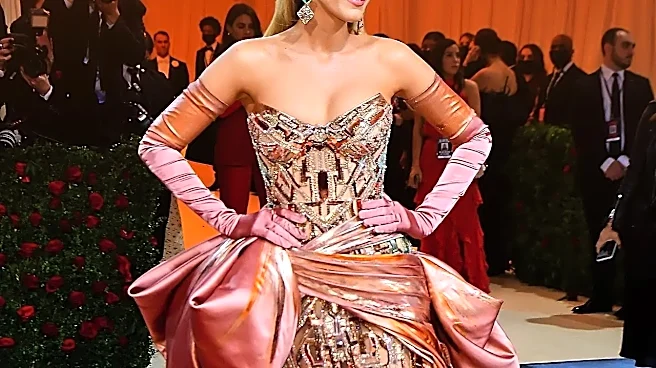
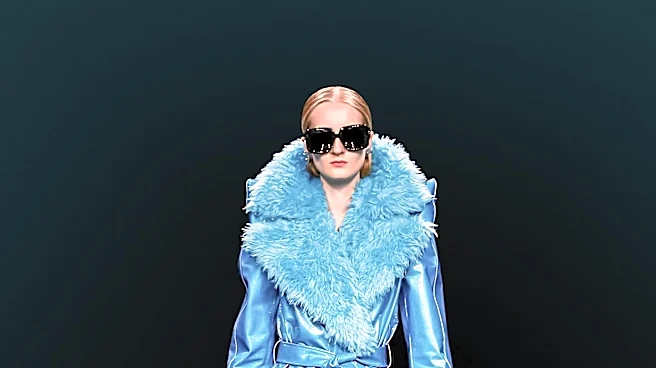
at Perry Ellis to his tenure as Louis Vuitton's first ready-to-wear designer and his namesake lines. Fashion experts like Jordan Buss note that Jacobs' work, characterized by its use of color, prints, and often disheveled or artfully punk aesthetics, offers a refreshing contrast to the polished 'clean girl' trend. This 'Marcmania' is fueled by celebrity endorsements, with figures like Bella Hadid and Zendaya sporting archival Jacobs pieces, and a strong sense of nostalgia among millennials and 'zillennials' who grew up seeing his designs on popular TV shows. The recent acquisition of his company by WHP Global and G-III Apparel Group, a new documentary, and the relaunch of his beauty line further contribute to his heightened visibility.
Why It's Important?
The renewed interest in Marc Jacobs' designs signifies a notable shift in consumer preferences within the U.S. luxury fashion market. The rejection of 'quiet luxury' suggests a growing desire for more expressive, personality-driven fashion that prioritizes individuality over understated elegance. This trend could influence other designers and brands to move away from minimalist aesthetics and embrace bolder, more distinctive styles. For the secondhand luxury market, this surge in demand for vintage Marc Jacobs pieces highlights the increasing value placed on unique, archival fashion, potentially boosting sales and interest in other iconic designers from past eras. The cultural impact is also significant, as nostalgia plays a key role, connecting younger generations with fashion history through popular culture and social media, thereby shaping future trends and consumption patterns.
What's Next?
The continued momentum of Marc Jacobs' brand is likely to see further growth, especially with the recent acquisition by WHP Global and G-III Apparel Group, which could lead to expanded product lines, wider distribution, and new collaborations. The success of his beauty line relaunch and the streaming of Sofia Coppola's documentary 'Marc by Sofia' are expected to introduce his work to an even broader audience, potentially solidifying his status as a cultural icon for a new generation. As the 'anti-quiet luxury' sentiment gains traction, other designers may follow suit, leading to a more diverse and expressive fashion landscape. This could also encourage more brands to re-edition popular archival pieces, similar to Louis Vuitton's Murakami bag, to capitalize on the nostalgia-driven market. The influence of social media and celebrity styling will continue to be crucial in driving these trends.
Beyond the Headlines
Beyond the immediate commercial success, the resurgence of Marc Jacobs' work reflects a deeper cultural shift towards authenticity and self-expression in an increasingly curated world. The appeal of his 'disheveled' and 'imperfect' aesthetic challenges the often unattainable standards of perfection promoted by some luxury brands and social media. This movement away from 'quiet luxury' can be seen as a form of rebellion against conformity, where consumers seek to differentiate themselves through unique and statement-making pieces. Ethically, the emphasis on vintage and archival fashion also aligns with growing sustainability concerns, promoting a circular economy within the luxury sector. This trend suggests a re-evaluation of what constitutes 'luxury,' moving beyond mere brand recognition to embrace craftsmanship, personality, and a sense of history, offering a more nuanced and individualistic approach to personal style.