





What's Happening?
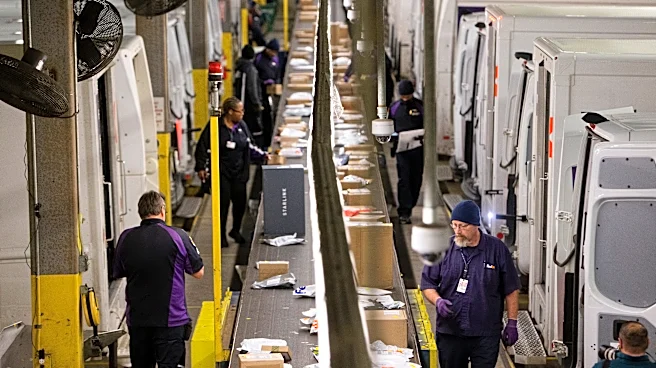
FedEx, the Memphis-based logistics company, has launched a new premium service called FedEx Authenticated Delivery. This service aims to provide increased security for select shipments, particularly high-value and sensitive items, in the U.S. and Canada.
The new option utilizes a secure QR code authentication process to ensure that packages are delivered only to authorized recipients. According to company officials, this initiative is designed to mitigate risks associated with fraud, theft, and misdelivery, responding to a growing customer demand for greater control and security over their deliveries. When a shipper opts for this service, the recipient receives a unique QR code and delivery instructions via FedEx notifications. Upon delivery, the recipient must present this QR code to the FedEx driver for scanning and validation before the package is released, eliminating the need for a physical signature. Neil Gibson, FedEx senior vice president, global customer experience, stated that this move reflects the company's commitment to building trust throughout the delivery process and helping customers protect their valuable shipments.
Why It's Important?
The introduction of FedEx Authenticated Delivery is significant for several reasons, primarily addressing the increasing concerns over package security in the e-commerce landscape. For businesses, especially those dealing with high-value goods like electronics, pharmaceuticals, or luxury items, this service offers a crucial layer of protection against financial losses due to theft or fraud. It can enhance customer confidence and reduce the operational costs associated with investigating and resolving delivery disputes. For consumers, it provides peace of mind when ordering expensive or sensitive items online, ensuring that their purchases reach the intended hands securely. This service also positions FedEx competitively in the logistics market, as it directly responds to a critical pain point for both shippers and recipients. The emphasis on digital verification through QR codes signifies a move towards more technologically advanced and secure delivery protocols, potentially setting a new industry standard for handling sensitive shipments.
What's Next?
Following the launch of FedEx Authenticated Delivery, the company will likely monitor its adoption rate and effectiveness in reducing incidents of fraud and misdelivery. The success of this premium service could lead to its expansion to more international markets or the development of additional security features. Competitors in the logistics industry may also evaluate similar authentication methods to keep pace with evolving customer expectations for secure deliveries. Businesses that frequently ship high-value goods are expected to integrate this service into their shipping strategies, potentially leading to a broader industry shift towards authenticated delivery methods. Furthermore, as digital authentication becomes more prevalent, there might be ongoing enhancements to the QR code technology or integration with other digital identity verification systems to further bolster security and user experience.
Beyond the Headlines
The implementation of FedEx Authenticated Delivery highlights a broader trend in the logistics and e-commerce sectors: the increasing need for robust security measures in the last mile of delivery. This development touches upon ethical considerations regarding data privacy and the secure handling of recipient information, as unique QR codes are linked to specific individuals. Legally, enhanced authentication can reduce liability for carriers and shippers in cases of theft, shifting the burden of proof to the recipient for secure receipt. Culturally, it reflects a growing expectation among consumers for seamless yet secure digital interactions, even in physical delivery processes. In the long term, this could pave the way for more integrated digital identity solutions in everyday transactions, blurring the lines between online verification and physical delivery. It also underscores the continuous innovation required in logistics to adapt to the complexities and risks of a rapidly expanding digital marketplace.