




What's Happening?
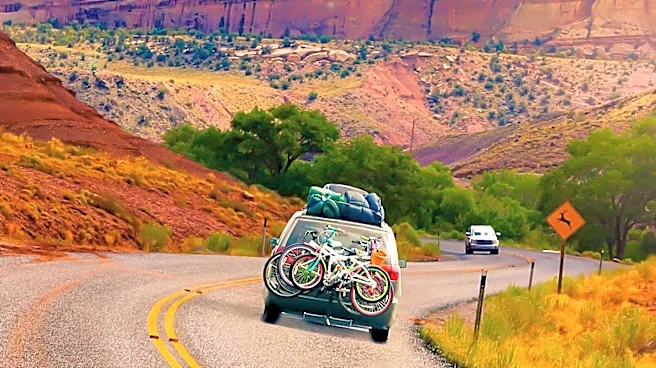
Amidst concerns about travel expenses, U.S. residents are increasingly turning to budget-friendly road trips as a viable alternative to high-cost long-distance travel. Destinations such as the Finger Lakes region, Niagara Falls, Yellowstone National Park,
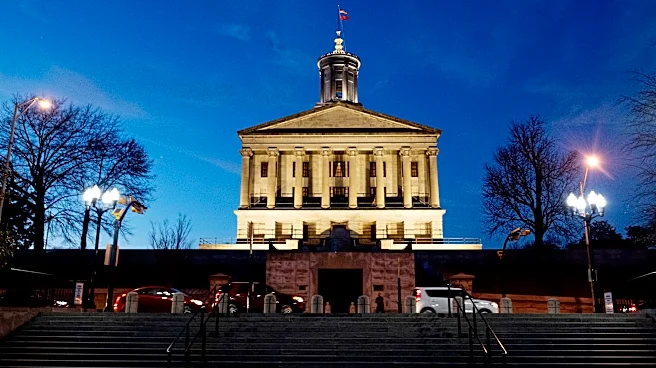
Tennessee (including Memphis and Nashville), and the Grand Canyon are highlighted as excellent options for affordable getaways. These locations offer a variety of experiences, from camping and natural wonders to cultural attractions and culinary adventures, all within the U.S. The focus is on exploring local attractions and rediscovering natural beauty without the financial strain often associated with international or more distant travel.
Why It's Important?
This trend signifies a notable shift in U.S. travel patterns, driven by economic considerations and a desire for accessible leisure. For the U.S. tourism industry, particularly in states with prominent natural parks and cultural sites, this presents a significant opportunity for growth. Local businesses, including hotels, restaurants, and attractions in these regions, stand to benefit from increased domestic tourism. This emphasis on road trips also promotes regional economies and encourages Americans to explore the diverse landscapes and cultural offerings within their own country. It provides a more sustainable and often more flexible travel option for families and individuals looking to manage their budgets effectively while still enjoying enriching experiences.
What's Next?
As economic pressures persist, the popularity of U.S. road trips is likely to continue growing. State tourism boards and local chambers of commerce in these highlighted regions may increase their marketing efforts to attract more domestic travelers. We can anticipate a rise in demand for budget-friendly accommodations, camping facilities, and activities that cater to road-trippers. Additionally, travel content creators and platforms may focus more on showcasing affordable U.S. destinations and providing tips for cost-effective travel within the country. Businesses along popular road trip routes might also adapt their offerings to better serve this demographic, potentially introducing special deals or packages for travelers exploring by car.
Beyond the Headlines
The resurgence of the American road trip carries deeper cultural and societal implications. It reflects a renewed appreciation for domestic travel and the diverse natural and cultural heritage of the U.S. This trend could foster a stronger sense of national identity and local pride as more Americans explore their own 'backyard.' Environmentally, road trips, especially when shared or planned efficiently, can sometimes offer a lower carbon footprint compared to long-haul flights, contributing to more sustainable tourism practices. Furthermore, it encourages a slower, more immersive form of travel, allowing for spontaneous discoveries and deeper connections with the places visited, contrasting with the often fast-paced nature of international travel.