



What's Happening?
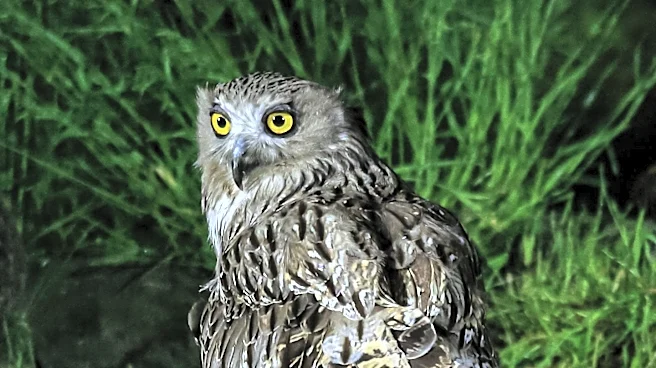
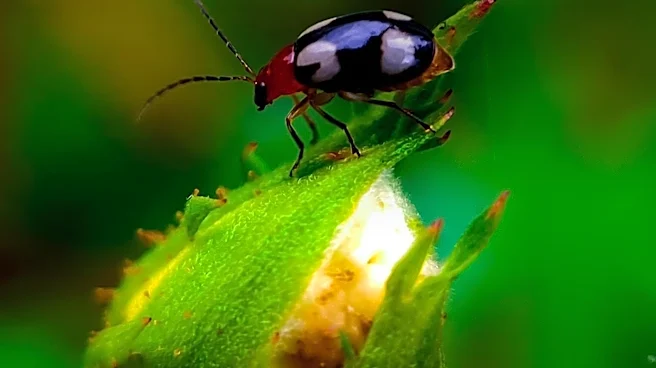
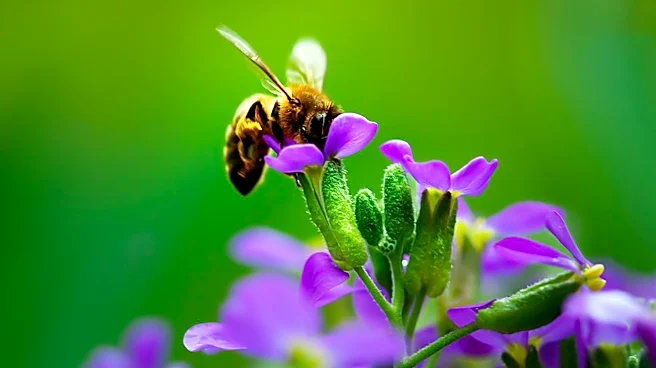
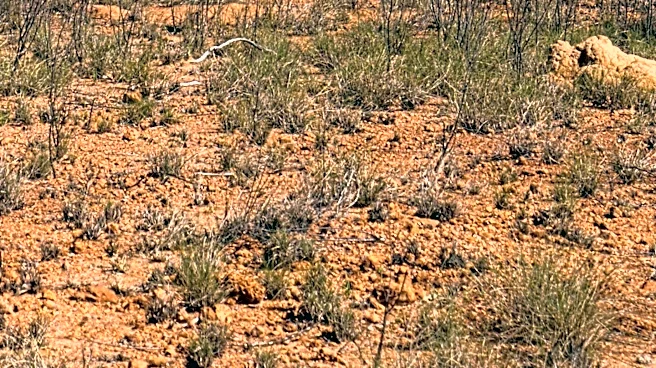
Gardening experts are recommending homeowners to leave patches of bare soil in their yards to support local wildlife, particularly during the summer months. This practice is beneficial for native bees, butterflies, and birds, which rely on these patches for nesting,
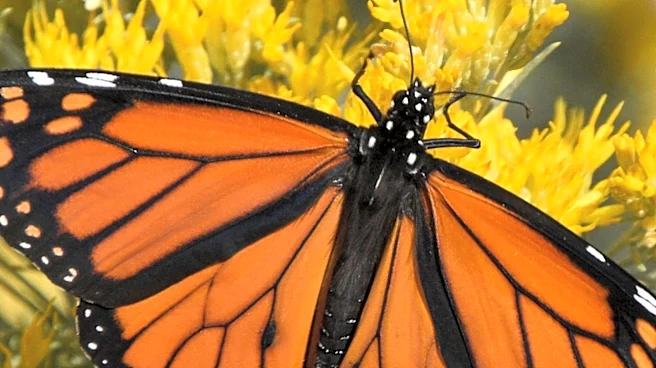
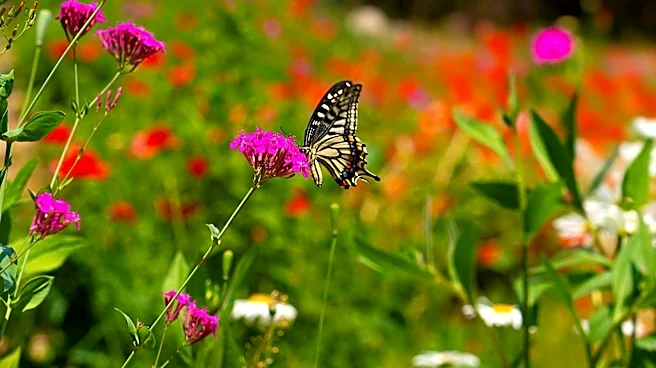
feeding, and other activities. Ground-nesting bees, for instance, use the soil to create burrows essential for their life cycles. Butterflies engage in a behavior known as 'puddling,' where they extract minerals from damp soil, while birds use the soil for dust baths to remove parasites. The recommendation comes as natural habitats shrink, making residential yards vital corridors for wildlife. The advice includes maintaining a small, sunny patch of bare soil, ideally surrounded by native plants to provide additional resources for pollinators.
Why It's Important?
The initiative to leave bare soil patches is crucial for sustaining biodiversity in urban and suburban areas. As natural habitats continue to diminish due to urban development, these small patches can provide essential resources for pollinators and other wildlife. This practice not only supports the ecological balance by aiding pollination but also enhances the health of local ecosystems. Homeowners who adopt this practice contribute to the conservation of species that are vital for food production and maintaining healthy plant communities. Additionally, this approach can foster a greater appreciation for wildlife and encourage sustainable gardening practices.
What's Next?
Homeowners interested in supporting local wildlife can start by identifying suitable areas in their yards to leave bare. It is recommended to choose sunny spots that are relatively undisturbed by human activity. Maintaining these patches involves ensuring they remain free of synthetic fertilizers and pesticides, which can harm the wildlife they aim to support. As awareness grows, gardening communities and environmental organizations may offer workshops and resources to educate the public on creating and maintaining wildlife-friendly gardens. This movement could lead to broader community efforts to enhance urban biodiversity.
Beyond the Headlines
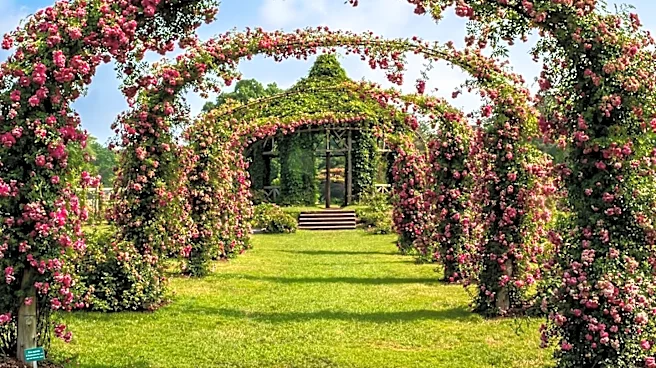
The practice of leaving bare soil patches touches on broader environmental and ethical considerations. It challenges the conventional aesthetic of perfectly manicured gardens, promoting a more natural and wildlife-friendly approach. This shift in gardening philosophy reflects a growing recognition of the interconnectedness of human and natural systems. By prioritizing ecological health over traditional garden aesthetics, individuals can play a role in mitigating the impacts of habitat loss and climate change. This approach also encourages a deeper connection with nature, fostering a sense of stewardship and responsibility towards the environment.