




What's Happening?
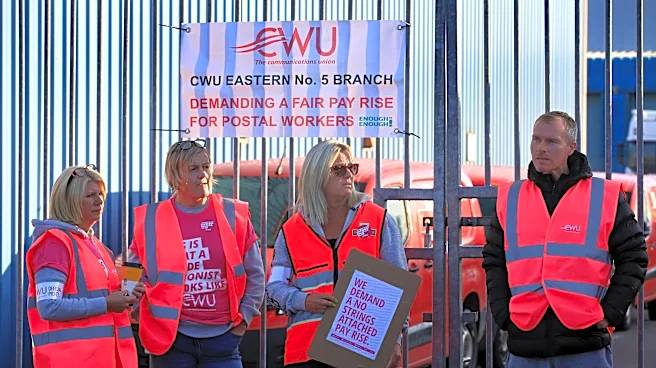
Over 1,300 workers at Forged Fiber 37, a subsidiary of AT&T, have overwhelmingly voted to authorize a strike. This decision follows months of contentious contract negotiations between the Communications Workers of America (CWA) and AT&T. The union alleges
that AT&T engaged in bad-faith bargaining by withdrawing a tentative agreement, leading the CWA to file an unfair labor practice charge with the National Labor Relations Board (NLRB). Since negotiations began in May 2026, workers have sought basic protections including job security, reasonable time off, and fair wages and benefits. However, AT&T has reportedly pushed for greater flexibility to lay off union employees and increase the use of contractors and temporary workers, even when qualified union members are available.
Why It's Important?
This strike authorization highlights growing tensions in the telecommunications sector regarding job security and the use of contract labor. Forged Fiber 37 workers are emphasizing the importance of quality service provided by local union members, contrasting it with what they describe as shoddy work by contractors. A potential strike could disrupt fiber network installation and maintenance services, impacting AT&T's operations and customer service in affected regions. The dispute also underscores broader concerns about corporate strategies that prioritize cost-cutting through flexible labor models over the job security and benefits of unionized employees. The NLRB's involvement through the unfair labor practice charge adds a legal dimension, potentially setting precedents for future labor disputes in the industry.
What's Next?
With the strike authorization in hand, CWA members at Forged Fiber 37 are prepared to take further action if a fair contract is not reached. The union's unfair labor practice charge with the NLRB will proceed, which could lead to an investigation and potential remedies if the NLRB finds AT&T violated labor laws. Both parties will likely continue negotiations, with the strike authorization serving as significant leverage for the union. The outcome of these negotiations and the NLRB's ruling could influence future bargaining strategies for AT&T and other telecommunications companies, as well as for unions representing workers in the sector. The situation remains fluid, with the possibility of a strike looming if an agreement is not reached.
Beyond the Headlines
This dispute reflects a national trend where companies seek to optimize labor costs through outsourcing and temporary staffing, often clashing with unions advocating for stable, well-compensated employment. The CWA's emphasis on the quality of work performed by union members versus contractors touches upon broader debates about service quality, accountability, and the long-term impact of labor practices on infrastructure development. The outcome could influence public perception of AT&T's commitment to its workforce and service quality. Furthermore, the case could serve as a bellwether for how the newly constituted NLRB, with its shifting enforcement priorities, will handle unfair labor practice charges related to contract negotiations and the use of contingent labor in critical industries.