




What's Happening?
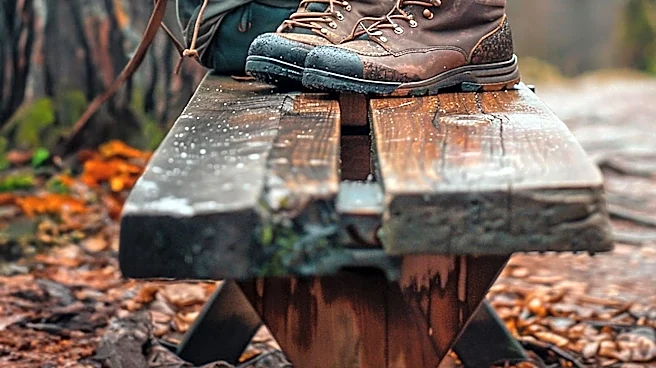
Pajar is providing slip-resistant footwear and waterproof boots designed to offer maximum grip on wet leaves and ice, addressing the hazards of shifting fall and winter weather. The company emphasizes the importance of choosing appropriate footwear for
transitional seasons. For early fall, when wet leaves create slick surfaces, Pajar recommends lightweight sneaker boots and casual boots with high-grade rubber outsoles and pronounced, multidirectional tread patterns. These features help channel water and debris away from critical ground contact zones. As temperatures drop and black ice becomes a risk, Pajar advises switching to specialized anti-slip ice boots, some of which feature patented Ice Gripper folding spike mechanisms for active traction on glazed surfaces. The brand highlights that standard rubber outsoles are insufficient for pure ice, necessitating mechanical grip.
Why It's Important?
This focus on specialized footwear is crucial for public safety and consumer well-being in the U.S., particularly in regions experiencing significant seasonal weather changes. Slips and falls on wet leaves and ice are a common cause of injuries, leading to healthcare costs and lost productivity. Pajar's offerings provide consumers with practical solutions to mitigate these risks, enhancing personal safety during commutes and outdoor activities. For the footwear industry, this highlights a market demand for functional, weather-specific products. Brands that prioritize safety features like advanced traction and waterproofing can gain a competitive edge, influencing consumer purchasing decisions and potentially setting new industry standards for seasonal footwear.
What's Next?
As fall transitions into winter, the demand for Pajar's slip-resistant and waterproof footwear is expected to increase. Consumers will likely seek out these specialized boots to prepare for hazardous walking conditions. Pajar and other footwear manufacturers will continue to innovate in outsole technology and material science to improve grip and insulation for extreme weather. Retailers will stock these seasonal products, and marketing efforts will likely emphasize safety and performance. The ongoing development in this area could lead to more advanced integrated traction systems and lighter, more comfortable designs that offer superior protection against slips and falls.
Beyond the Headlines
The emphasis on slip-resistant footwear for wet leaves and ice reflects a broader societal concern for safety and preparedness in the face of environmental challenges. Beyond individual consumer choices, this trend could influence urban planning and public infrastructure, encouraging better maintenance of sidewalks and public spaces to reduce fall risks. It also underscores the role of product design in addressing everyday hazards, transforming a simple item like a shoe into a critical safety tool. The continuous innovation in footwear technology for grip and weather protection highlights how consumer needs, driven by environmental factors, can push industries towards more sophisticated and responsible product development.