




What's Happening?
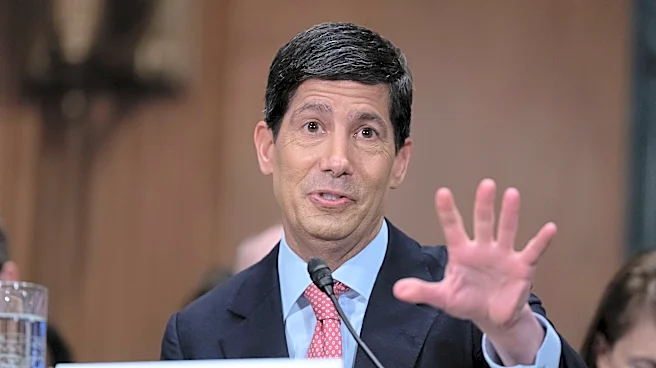
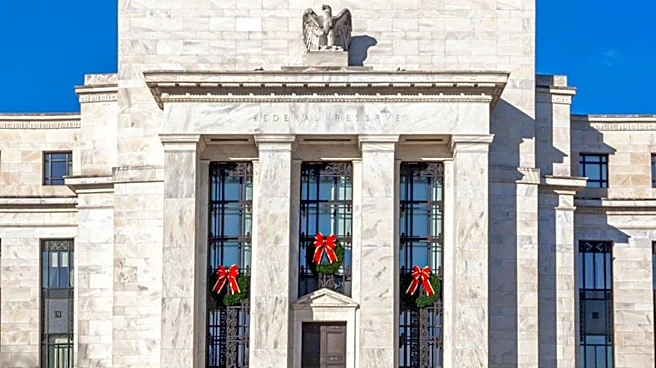
The Federal Reserve has decided to hold interest rates steady during its latest meeting, led by Chairman Kevin Warsh. Despite this decision, a significant number of policymakers expressed dissent, advocating for a rate increase. This marks the highest
level of dissent since 2016, indicating a potential shift towards a more hawkish monetary policy. The Fed's focus remains on curbing inflation, which has been persistently above its target rate of 2%. Market analysts, including Ellen Zentner from Morgan Stanley Wealth Management, suggest that the likelihood of a rate hike in the upcoming September meeting has increased. The Fed is closely monitoring inflation reports, especially in light of recent energy price shocks that could further elevate inflation readings.
Why It's Important?
The Federal Reserve's actions are crucial for the U.S. economy, influencing borrowing costs for consumers and businesses. A potential rate hike could impact various sectors, including housing and consumer spending, by increasing the cost of loans. Investors are closely watching the Fed's decisions, as they affect stock market dynamics and investment strategies. The Fed's commitment to controlling inflation is vital for maintaining economic stability, but it also poses challenges for growth if rates rise too quickly. The ongoing debate within the Fed reflects broader economic uncertainties, including energy price fluctuations and their impact on inflation.
What's Next?
The Federal Reserve will continue to analyze economic data, particularly inflation reports, to guide its future policy decisions. The September meeting is anticipated to be a critical juncture, with markets already pricing in a potential rate hike. Stakeholders, including businesses and investors, will be preparing for possible changes in monetary policy. The Fed's approach will also be influenced by global economic conditions, such as energy prices and geopolitical developments, which could affect inflation and economic growth.