





What's Happening?
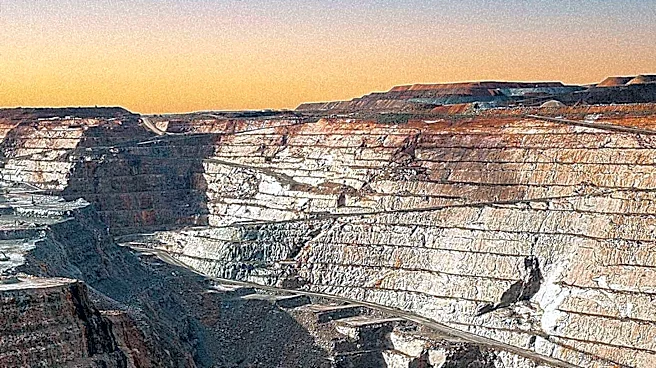
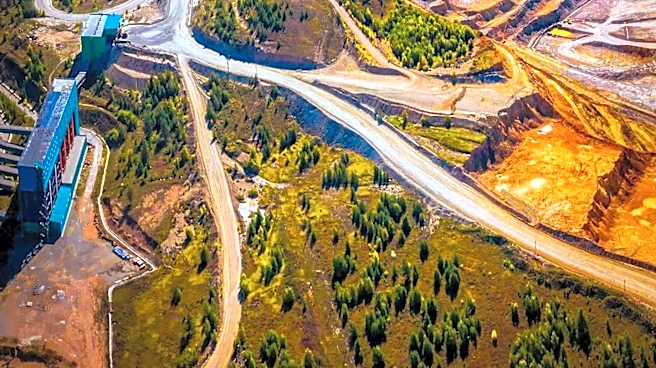
Freeport-McMoRan, a major American mining company, is facing scrutiny over environmental contamination issues at its former mining site in the Democratic Republic of Congo (DRC). The Tenke Fungurume mine, once owned by Freeport-McMoRan and now operated
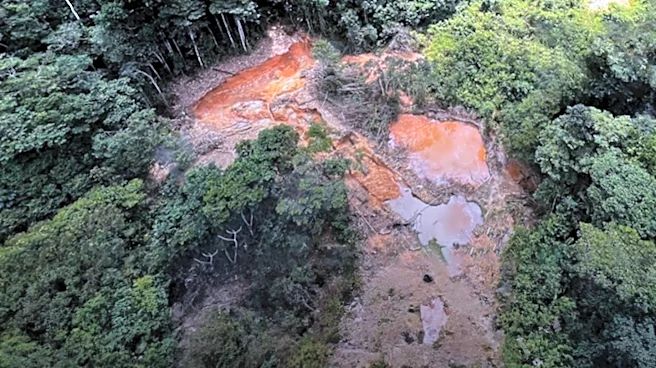
by the Chinese company CMOC, has been reported to produce cobalt contaminated with uranium. This contamination has reportedly exceeded both local and international legal limits. The DRC is the world's largest producer of cobalt, a critical component in electric vehicle batteries. Concerns have been raised about the health risks to workers and the potential for radioactive materials to enter the global supply chain. The issue has persisted since Freeport-McMoRan's ownership and continues under CMOC, raising alarms about the safety and regulation of cobalt exports from the region.
Why It's Important?
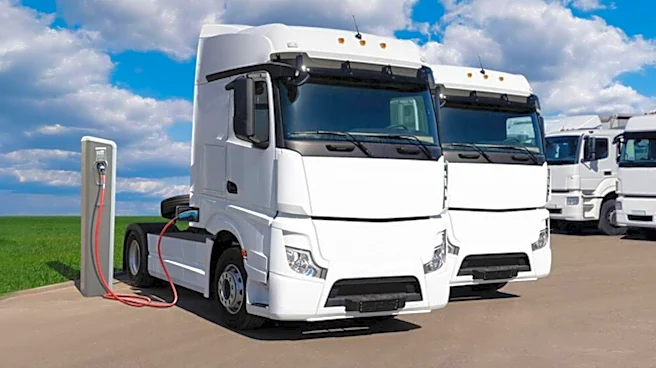
The contamination of cobalt with uranium at the Tenke Fungurume mine has significant implications for global supply chains, particularly in the electric vehicle industry, which relies heavily on cobalt for battery production. The presence of radioactive materials poses health risks to mine workers and could lead to international regulatory challenges. Additionally, the potential for these materials to be used in nuclear proliferation is a concern for global security. The situation highlights the need for stringent environmental and safety regulations in mining operations, especially in regions with limited oversight. The ongoing issue could affect the reputation and operations of companies involved, including Freeport-McMoRan and CMOC, and may lead to increased scrutiny from international regulatory bodies.
What's Next?
The Democratic Republic of Congo is seeking external funding to install radiation detectors at its borders to monitor cobalt exports. This move aims to prevent the illegal trafficking of radioactive materials and ensure that contaminated cobalt does not enter the global market. The international community, including regulatory bodies and non-proliferation experts, may increase pressure on the DRC and companies involved to address these environmental and security concerns. Companies like Freeport-McMoRan and CMOC may face demands for more transparent reporting and improved safety measures. The situation could lead to stricter international regulations on cobalt exports and increased collaboration between countries to ensure the safe handling of radioactive materials.
Beyond the Headlines
The contamination issue at the Tenke Fungurume mine underscores broader challenges in the mining industry, particularly in regions with weak regulatory frameworks. It raises ethical questions about the responsibility of multinational corporations in ensuring environmental and worker safety standards. The situation also highlights the geopolitical dimensions of resource extraction, as countries like China, which processes a significant portion of the world's cobalt, may face scrutiny over their handling of radioactive materials. The incident could prompt a reevaluation of supply chain practices and encourage the development of more sustainable and ethical mining practices globally.