


What's Happening?
Homeowners in South Jersey are increasingly upgrading to smart thermostats to enhance home comfort, achieve significant energy savings, and integrate with existing smart home ecosystems. Many are experiencing issues with outdated thermostats, such as inconsistent
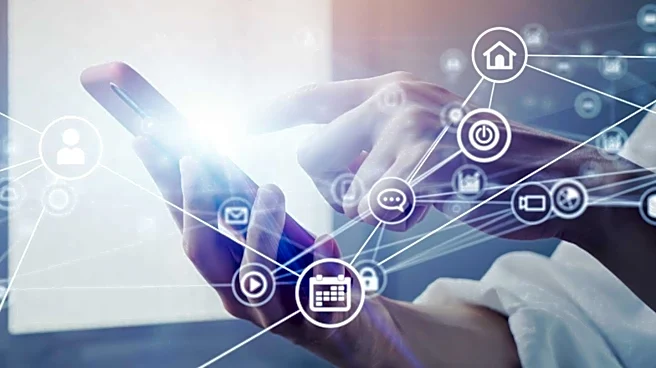
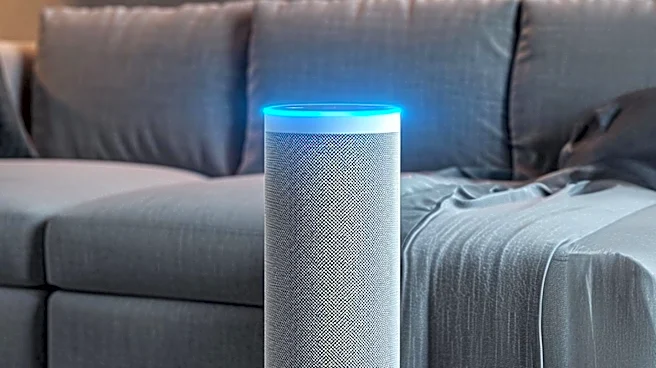
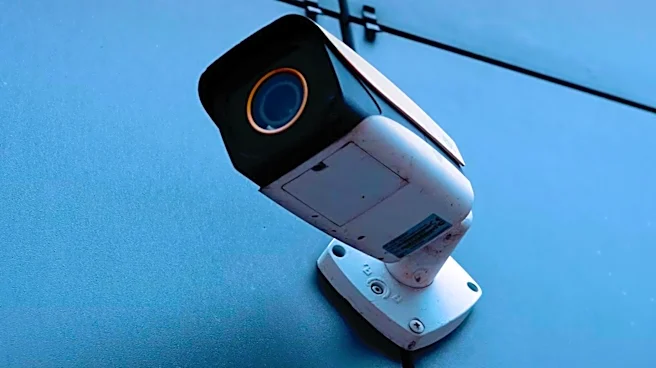
room temperatures, rising energy bills, and the need for constant manual adjustments. Older thermostats often lack the advanced features necessary to optimize HVAC system performance, leading to wasted energy. Smart thermostats, in contrast, can learn daily routines, sense occupancy, and integrate with weather forecasts, dynamically adjusting home climates for measurable reductions in energy bills. This shift is driven by a desire for greater convenience, remote access via smartphone apps, and seamless integration with other smart home devices like lighting and security systems. Professional installation services are available to ensure compatibility and proper calibration with modern HVAC systems.
Why It's Important?
The widespread adoption of smart thermostats in South Jersey reflects a broader national trend towards energy efficiency and integrated smart home technology. For homeowners, this means not only reduced utility costs but also improved living comfort and convenience through automated climate control. The ability of smart thermostats to communicate with and control sophisticated HVAC systems ensures that modern, high-efficiency units operate at their full potential, maximizing their investment. This trend also highlights the growing consumer demand for interconnected home devices that offer centralized control and data-driven insights into energy consumption. Businesses in the HVAC and smart home technology sectors stand to gain from this demand, offering installation, upgrade, and maintenance services for these advanced systems. Conversely, manufacturers of traditional, non-smart thermostats may see declining market share as consumers increasingly opt for more intelligent solutions.
What's Next?
The demand for smart thermostat upgrades is expected to continue growing as more homeowners become aware of the potential for energy savings and enhanced comfort. Service providers in South Jersey and across the U.S. will likely expand their offerings to include a wider range of smart home integration services, moving beyond just thermostats to encompass full home automation. Future developments may include more sophisticated AI-driven learning capabilities, predictive maintenance features for HVAC systems, and even greater interoperability between different smart home platforms. As technology advances, smart thermostats could also play a role in grid optimization efforts, allowing utilities to manage energy demand more effectively during peak times. Homeowners can anticipate more personalized and adaptive climate control solutions, further reducing their energy footprint and increasing their home's overall efficiency.
Beyond the Headlines
The move towards smart thermostats and integrated smart home systems has deeper implications for data privacy and cybersecurity. As more devices in the home become interconnected and collect data on daily routines and energy usage, questions arise about how this data is stored, used, and protected. Consumers will need to be increasingly vigilant about the security features of their smart devices and the privacy policies of manufacturers and service providers. Furthermore, the reliance on internet connectivity for many smart home functions raises concerns about system vulnerability during outages or cyberattacks. The industry will need to address these challenges by developing robust security protocols and offering offline functionality for essential features. This technological shift also contributes to a broader cultural change, where homes are becoming increasingly automated and responsive to individual needs, potentially redefining our relationship with living spaces and energy consumption.