





What's Happening?
Tiger Global Management, a prominent hedge fund led by Chase Coleman, significantly increased its stake in Cerebras Systems, an AI chipmaker, by 48% to $790 million during the third quarter of 2026. This move, detailed in a November 16, 2026, 13F filing
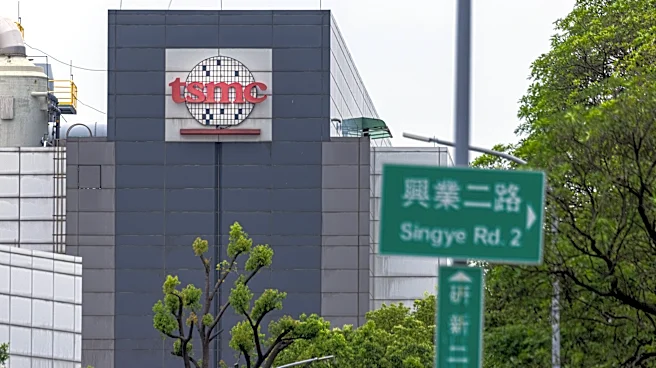
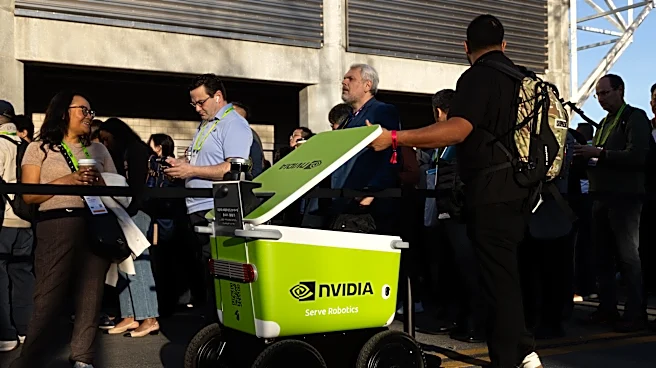
with the Securities and Exchange Commission, makes Cerebras Systems 3.9% of Tiger Global's reported equity portfolio. The fund now holds 4.45 million Cerebras shares. This increase was the largest share addition for Tiger Global during the quarter and coincided with Cerebras Systems raising its 2026 revenue outlook. Cerebras Systems specializes in building chips and cloud systems for AI workloads, reporting a 55% year-over-year revenue increase to $210.8 million in the third quarter, with remaining performance obligations reaching $26.1 billion. The company's backlog is heavily reliant on OpenAI, which accounted for 34% of its third-quarter revenue. This investment strategy by Tiger Global reflects a broader shift towards AI chipmakers, as the fund also increased its holdings in Nvidia by 7.2% and Intel by 30.4%, while reducing stakes in other companies like Alphabet and TSMC.
Why It's Important?
Tiger Global's substantial investment in Cerebras Systems signals a strategic pivot by a major investment firm towards the hardware infrastructure supporting the burgeoning artificial intelligence sector. This move highlights the increasing confidence among institutional investors in companies that provide foundational technology for AI workloads, such as specialized chips and cloud systems. The decision to significantly boost its stake in Cerebras, alongside increased investments in Nvidia and Intel, indicates a belief that the 'picks and shovels' of the AI revolution—the hardware layer—will be a key driver of future growth. This could lead to increased capital flow into the AI chip manufacturing industry, potentially accelerating innovation and competition within this critical segment. For the broader U.S. technology market, this trend suggests a potential reallocation of investment away from some established platform and manufacturing names towards companies directly enabling AI development. However, the concentration risk associated with Cerebras's reliance on a few major customers, particularly OpenAI, also underscores potential vulnerabilities within this high-growth sector, which investors will need to monitor closely.
What's Next?
The increased investment by Tiger Global could catalyze further interest and capital inflow into Cerebras Systems and other AI chipmakers. Cerebras Systems has projected a significant increase in its 2026 core revenue guidance to between $940 million and $960 million, with expectations to triple revenue in 2027. Future developments will likely hinge on the company's ability to meet these ambitious financial targets and effectively manage its customer concentration risk, particularly with OpenAI. The progress of its multi-year agreement with OpenAI, valued at over $20 billion, will be a critical indicator, especially as the company addresses delays in setting up necessary infrastructure like land, power, and building shells for OpenAI's capacity. Investors will also be closely watching Cerebras's fourth-quarter earnings report to assess whether its core gross margin reaches the guided range of 47% to 49% and if delayed data center capacity begins to come online, which would demonstrate the conversion of its substantial backlog into profitable revenue.
Beyond the Headlines
Tiger Global's investment strategy reflects a deeper trend in the technology landscape: the increasing specialization and strategic importance of hardware in the age of artificial intelligence. While much attention is often given to AI software and applications, the underlying infrastructure—specifically high-performance AI chips—is becoming a critical battleground for technological supremacy. This shift could lead to a re-evaluation of traditional tech valuations, potentially favoring companies that provide essential, high-performance computing components over those focused solely on software or broader platforms. The ethical and economic implications of such concentrated investments in AI hardware are also noteworthy. As AI capabilities become more sophisticated and pervasive, the control and development of the foundational hardware could confer significant power and influence, raising questions about market dominance, supply chain resilience, and the equitable distribution of AI's benefits. The reliance of Cerebras on a few major customers, like OpenAI, also highlights the interconnectedness and potential fragility of the AI ecosystem, where the success of one company can be heavily dependent on the growth and stability of a few key partners.