







What's Happening?
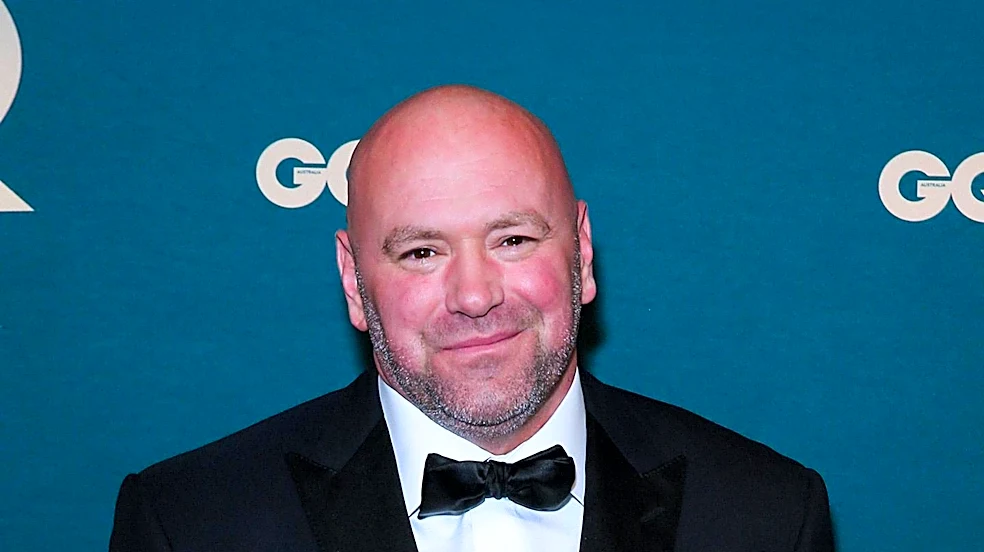
UFC CEO Dana White has publicly stated his ambition to secure a $10 billion media rights deal for the Ultimate Fighting Championship once its current $7.7 billion contract with Paramount concludes. The existing seven-year agreement, which was considered
'above market' by experts at the time of its signing, is set to run through 2032. White expressed his confidence in the UFC's ability to impact Paramount's business, which he believes justified the initial substantial investment. He also claimed that the announcement of the UFC's deal caused concern among NFL executives, who realized a significant amount of media rights money was available that they had not secured. White's focus for the next five years is to ensure the UFC continues to deliver value to its media partners, thereby strengthening its position for future negotiations. This declaration was made during an appearance on The Diary of a CEO podcast, highlighting the UFC's aggressive strategy for future growth and revenue generation in the sports entertainment landscape.
Why It's Important?
This ambitious financial target set by Dana White underscores the growing valuation and influence of mixed martial arts (MMA) as a major professional sport in the United States and globally. A $10 billion deal would solidify the UFC's position among the top-tier sports leagues, potentially rivaling established entities like the NFL, NBA, and MLB in terms of media rights revenue. Such a massive contract would significantly impact the UFC's financial stability, allowing for increased investment in fighter pay, global expansion, and production quality. For media companies, securing these rights represents access to a highly engaged and growing demographic, crucial for subscriber growth and advertising revenue. The competition for these rights could intensify among major broadcasters and streaming platforms, driving up costs but also offering exclusive content that attracts and retains audiences. This move also signals a continued trend of sports properties commanding premium prices for their content, reflecting their unique ability to draw live viewership in an increasingly fragmented media environment.
What's Next?
Over the next five years, the UFC will likely focus on strategies to enhance its global reach, increase its fan base, and deliver consistent, high-quality content to demonstrate its value to potential media partners. This could involve expanding into new international markets, developing new content formats, and continuing to promote high-profile fights and fighters. As the current deal with Paramount approaches its expiration in 2032, discussions and negotiations for the next media rights package are expected to intensify. Major media conglomerates, including traditional broadcasters and emerging streaming services, will likely vie for these rights, leading to a competitive bidding process. The outcome of these negotiations will not only determine the UFC's financial future but also influence the broader landscape of sports broadcasting, potentially setting new benchmarks for media rights valuations in the industry. The UFC's ability to maintain its market dominance in MMA will be crucial in achieving White's $10 billion goal.
Beyond the Headlines
The pursuit of a $10 billion media deal by the UFC reflects a broader shift in the sports and entertainment industry, where live sports content has become a critical asset for media companies. In an era of declining linear television viewership, live sports remain one of the few forms of content that consistently draw large, engaged audiences, making them invaluable for advertising revenue and subscriber acquisition. This trend highlights the increasing power of sports leagues to dictate terms in media negotiations, leveraging their unique content to command premium prices. Furthermore, the UFC's success in securing such lucrative deals challenges traditional notions of what constitutes a 'major' sport, demonstrating the rapid ascent of MMA into mainstream popularity. This could inspire other emerging sports to pursue similar aggressive strategies for media rights, potentially reshaping the hierarchy of professional sports and the economics of sports broadcasting. The ethical implications of such massive financial deals, particularly concerning fighter compensation relative to league revenues, may also become a more prominent discussion point.