
What's Happening?
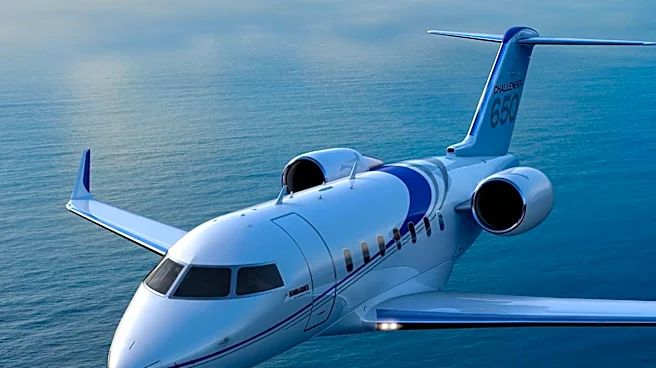
On November 27, 2026, Vinod Khosla's Bombardier Challenger 604, tail number N604SB, executed an 18-minute flight from San Francisco International Airport to Oakland San Francisco Bay Airport. The aircraft
departed San Francisco at 21:30 UTC and landed in Oakland at 21:48 UTC. This short 12-nautical-mile (14-mile) journey is considered a routine repositioning for a large-cabin business jet. The flight reached a top ground speed of 229 knots and a maximum altitude of 4,775 feet. According to Celebplanes, the flight consumed approximately 85 US gallons of fuel, generating about 813 kilograms of CO2. This marks the 10th tracked landing at Oakland for any of Khosla's aircraft within the 30 days prior to this flight. Khosla, co-founder of Sun Microsystems and founder of Khosla Ventures, is also a significant early investor in OpenAI and recently, along with his family, purchased the Seattle Seahawks for $9.612 billion.
Why It's Important?
This flight highlights the operational patterns of private business jets for prominent figures in the technology and investment sectors. While seemingly minor, the frequent use of private aircraft for short distances, as evidenced by Khosla's 10 landings in Oakland within a month, underscores the logistical demands and preferences of high-net-worth individuals. The environmental impact, though small for a single flight, contributes to broader discussions about carbon emissions from private aviation. For the aviation industry, it demonstrates the continued demand for business jet services, including short repositioning flights, which are a standard part of fleet management. The data also offers a glimpse into the travel habits of influential business leaders, whose movements can sometimes correlate with business activities or investments, though no specific business purpose was identified for this particular flight.
What's Next?
The continued tracking of private aircraft movements, such as those belonging to Vinod Khosla, will likely persist, providing ongoing data on the travel patterns of prominent business figures. While this specific flight was a routine repositioning, future flights could be observed for potential connections to business engagements, investments, or personal activities. The broader trend of private jet usage by high-profile individuals will remain a subject of interest, particularly concerning its environmental implications and the efficiency of such travel. The aviation industry will continue to adapt to the needs of its clientele, including the provision of services for short-haul repositioning flights. No immediate changes or specific next steps are indicated by this particular flight event.
Beyond the Headlines
The frequent use of private jets by figures like Vinod Khosla, even for short distances, raises questions about the environmental footprint of the ultra-wealthy and the perceived necessity of such travel. While private aviation offers unparalleled convenience and flexibility, it also contributes disproportionately to carbon emissions compared to commercial travel. This situation often fuels public debate regarding sustainability and the responsibilities of influential individuals in addressing climate change. Furthermore, the ability to track these flights through public ADS-B data highlights the increasing transparency of private movements, which can sometimes lead to scrutiny or public interest in the activities of high-profile individuals. This transparency can influence public perception and potentially shape future discussions around private jet regulations or carbon offsetting initiatives.