



What's Happening?
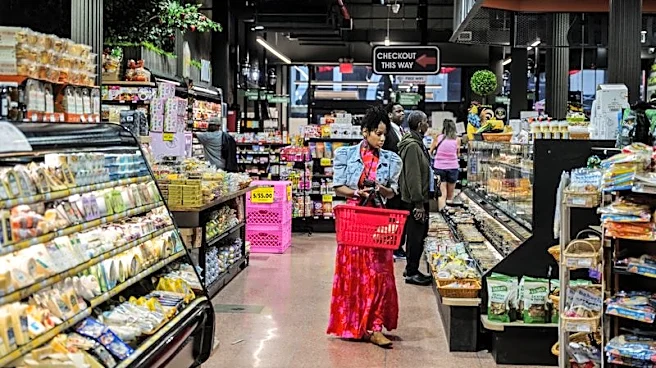
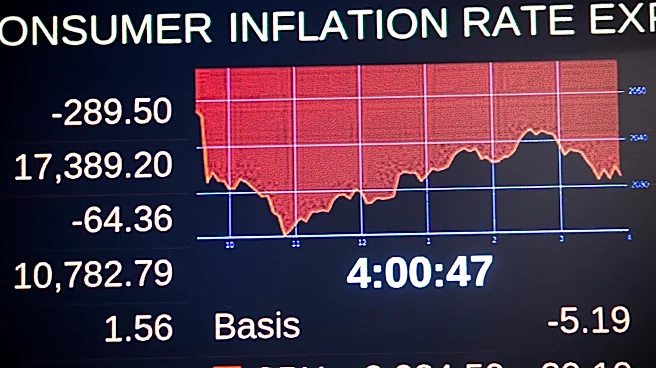
Numerator, a consumer data and technology company, released its October 2026 Consumer Goods Price Index (CGPI), indicating a reacceleration of inflation for everyday household goods. Prices increased by 0.6% month-over-month in October, following a 0.7%
rise in September. This marks a reversal from decreases observed in July and August. Year-over-year, prices for everyday goods are up 2.7%, an acceleration from the 2.1% recorded in September. Since January 2018, prices for these goods have cumulatively increased by 34.8%. The report also highlights that concern over rising prices has reached a record high, with 42.2% of U.S. consumers identifying it as their top concern for the coming year, according to Numerator's October 2026 Economic Sentiment Tracker. This surpasses the previous high of 40.5% from August 2026. The CGPI tracks actual prices paid by consumers, accounting for real-time purchasing behavior changes like brand and retailer switching, and correlates strongly with the PCE Food and Beverage index.
Why It's Important?
The reacceleration of inflation in everyday consumer goods, as reported by Numerator, signals persistent pressure on household budgets across the U.S. This trend is particularly impactful for low-income and Gen Z consumers, who continue to experience higher inflation rates. Since January 2018, prices for these groups have risen by 36.7% and 41.3% respectively, compared to the national average of 34.8%. This disparity is partly attributed to their higher spending on quick-service restaurants, where prices have surged by 55.4% since January 2018. The widening gap in inflation rates for Gen Z consumers, who saw a 3.8% year-over-year increase in October compared to the 2.7% national average, indicates a disproportionate burden on younger demographics. Regionally, the Midwest and West have consistently experienced higher annual inflation rates compared to the Northeast and South, suggesting varied economic impacts across the country. The heightened consumer concern about rising prices, reaching a record 42.2%, underscores a growing public anxiety about economic stability and purchasing power.
What's Next?
The continued acceleration of inflation for everyday goods is likely to maintain consumer vigilance and potentially influence spending habits. With 42.2% of consumers identifying rising prices as their top concern, there could be increased pressure on policymakers to address cost-of-living issues. Businesses may face challenges as consumers become more price-sensitive, potentially leading to further shifts in purchasing behavior, such as brand switching or seeking out more affordable retailers. The persistent higher inflation experienced by low-income and Gen Z consumers may lead to calls for targeted economic relief or support programs. Regional disparities in inflation rates could also prompt localized economic discussions and policy considerations. The Federal Reserve and other economic bodies will likely continue to monitor these consumer price trends closely, as they could factor into future monetary policy decisions aimed at stabilizing prices and managing economic growth.
Beyond the Headlines
The Numerator CGPI's methodology, which tracks actual verified household transactions rather than fixed baskets, offers a nuanced view of inflation that captures real-time consumer adaptation. This approach highlights how consumers actively mitigate rising costs through behaviors like brand switching and downsizing, which traditional inflation measures might not fully reflect. The disproportionate impact on Gen Z and low-income households points to a deepening economic divide, where younger generations and those with fewer financial resources bear a heavier burden of inflationary pressures. This could have long-term societal implications, affecting wealth accumulation, financial stability, and intergenerational equity. The sustained high concern about prices also suggests a potential erosion of consumer confidence, which could influence broader economic sentiment and spending patterns beyond immediate necessities. Understanding these behavioral and demographic nuances is crucial for a comprehensive grasp of inflation's true impact on the U.S. economy and its diverse populations.