






What's Happening?
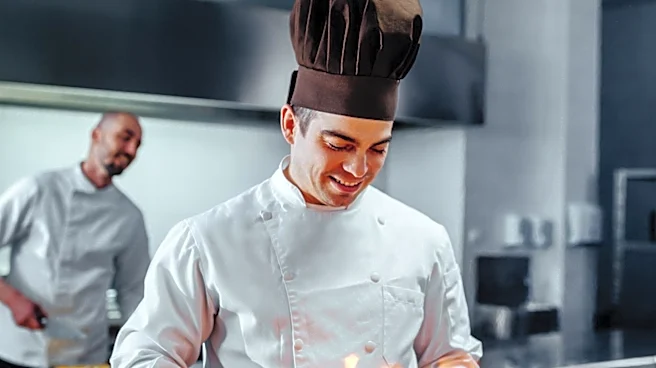
The Bvlgari Hotel Roma has introduced a new amenity kit featuring Bulgari products and has partnered with renowned chef Niko Romito to enhance its food and beverage offerings. This collaboration is part of a broader trend in luxury hospitality where partnerships
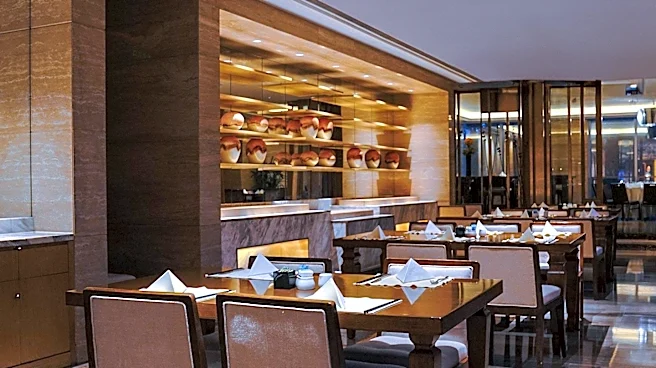
with world-renowned chefs are used to elevate the dining experience and strengthen the overall experiential offer. The hotel is part of a wave of new luxury hotel openings in Rome, which has seen a significant increase in ultra-luxury accommodations. This trend reflects a shift in the profile of visitors and residents that Rome is attracting, introducing a more professionalized generation of food and beverage concepts that are raising the competitive bar across the city's dining market.
Why It's Important?
The partnership between Bvlgari Hotel Roma and Chef Niko Romito highlights the growing importance of food and beverage as a key driver of value and guest experience in luxury hotels. This trend is significant as it reflects a shift in consumer preferences towards curated and personalized experiences over traditional accommodation-led models. For the luxury hospitality industry, this means that hotels are increasingly investing in signature dining concepts and chef-led partnerships to differentiate themselves in a crowded market. This approach not only enhances the guest experience but also supports higher room rates and improves competitive standing. The trend is particularly relevant in Rome, which is becoming a hotspot for new luxury hotel openings, further intensifying competition and raising service expectations.
What's Next?
As the luxury hospitality market in Rome continues to expand, more international brands are expected to enter the market, bringing with them new dining concepts and partnerships. This will likely lead to further professionalization and diversification of the city's dining scene. For existing hotels, maintaining a competitive edge will require continuous innovation in their food and beverage offerings and strategic partnerships with renowned chefs and brands. Additionally, the growing complexity of luxury hospitality operations may lead to more diverse contractual arrangements, such as revenue-share models and joint ventures, to manage risk and return effectively.
Beyond the Headlines
The integration of high-profile dining concepts within luxury hotels is not just about enhancing guest experience but also about strengthening brand perception and market positioning. In many cases, the presence of a Michelin-starred or branded restaurant can significantly enhance a hotel's reputation and pricing power, attracting not only in-house guests but also local residents and international visitors. This trend underscores the importance of culinary identity in the luxury hospitality sector and its role in creating a distinctive and memorable guest experience. As the market evolves, the challenge will be to balance international standards with local essence, ensuring that the unique cultural and culinary heritage of destinations like Rome is preserved and celebrated.