





What's Happening?
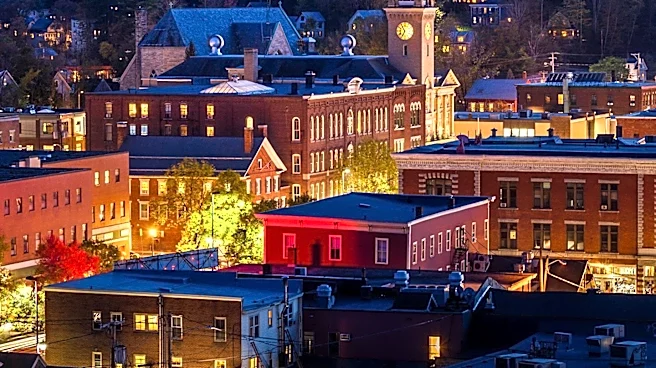
Waterbury, Connecticut, is actively promoting itself as a unique travel destination, highlighting its rich industrial history, vibrant arts scene, green spaces, and diverse culinary offerings. Often referred to as the 'Brass City' due to its past as a major
brass manufacturing hub, Waterbury aims to attract travelers seeking an authentic Connecticut experience. Key attractions include the Mattatuck Museum, which chronicles the city's history and showcases American art, and the historic Palace Theater, hosting Broadway shows and various performances. The city also features Holy Land USA, an unusual religious landmark, and Fulton Park, designed by the Olmsted Brothers. Waterbury's dining scene is noted for its multicultural flavors, reflecting its diverse communities, with Italian, Portuguese, Albanian, Latin American, and Caribbean cuisines available.
Why It's Important?
This tourism initiative is important for Waterbury's economic development and its efforts to redefine its identity beyond its industrial past. By leveraging its unique history, cultural institutions, and diverse food scene, the city aims to attract visitors, which can stimulate local businesses, create jobs, and generate revenue. This strategy helps diversify the local economy, making it less reliant on traditional industries. For the U.S. tourism sector, it showcases how smaller, historically significant cities can carve out niche markets by offering authentic experiences distinct from larger metropolitan areas. It also highlights the growing trend of travelers seeking cultural immersion and local experiences, benefiting communities that can offer a genuine sense of place and heritage.
What's Next?
Waterbury's tourism efforts will likely continue to focus on promoting its unique blend of history, arts, and culinary diversity. The city will need to maintain and enhance its existing attractions, such as ongoing restoration work at Holy Land USA and the continued programming at the Palace Theater. Further development of walking trails and public spaces, like Fulton Park, could also be part of future plans. Collaboration between local businesses, cultural institutions, and city officials will be crucial to effectively market Waterbury as a compelling destination. Travelers are encouraged to plan carefully, especially regarding ongoing restoration projects and transport updates, such as those affecting the Waterbury Branch Line, to ensure a smooth visit.
Beyond the Headlines
The rebranding of Waterbury from an industrial center to a cultural and historical tourism destination reflects a broader trend in many post-industrial American cities. These cities are increasingly looking to their heritage and unique local character to drive economic revitalization. This shift involves not just promoting attractions but also fostering a sense of community pride and preserving historical assets. The emphasis on multicultural food also speaks to the evolving American culinary landscape, where diverse ethnic cuisines are becoming central to local identity and tourist appeal. Waterbury's approach could serve as a model for other cities seeking to transform their image and economic base in the 21st century.