





What's Happening?
Zen home decor, which emphasizes simplicity, balance, and intentional living, is increasingly incorporating elements of Scandinavian minimalism. This hybrid approach aims to create calm and serene living spaces in U.S. homes. The core principles involve
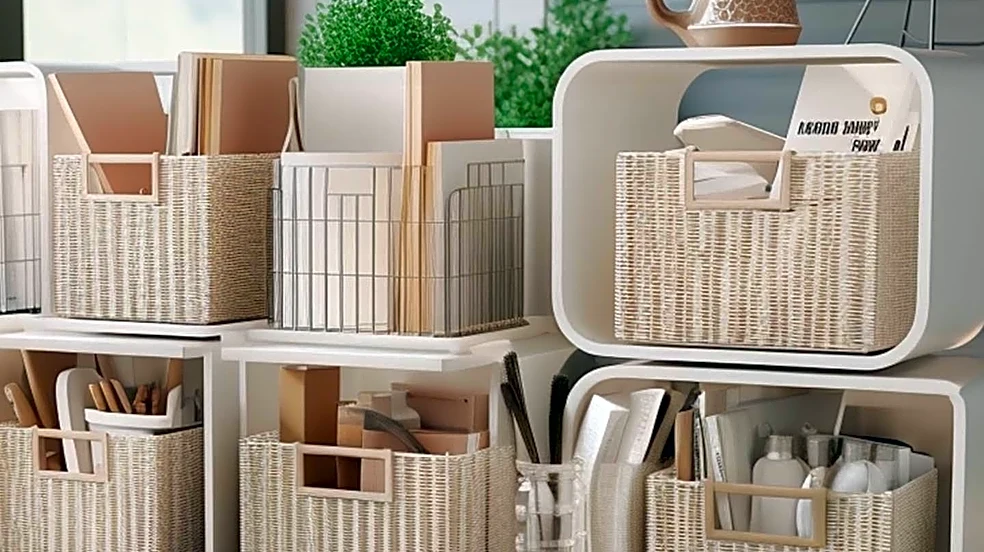
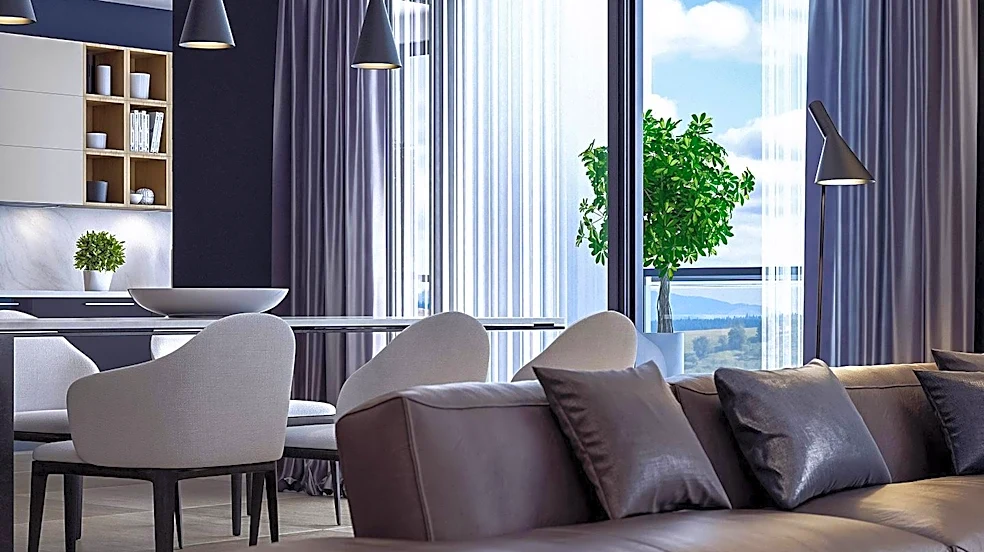
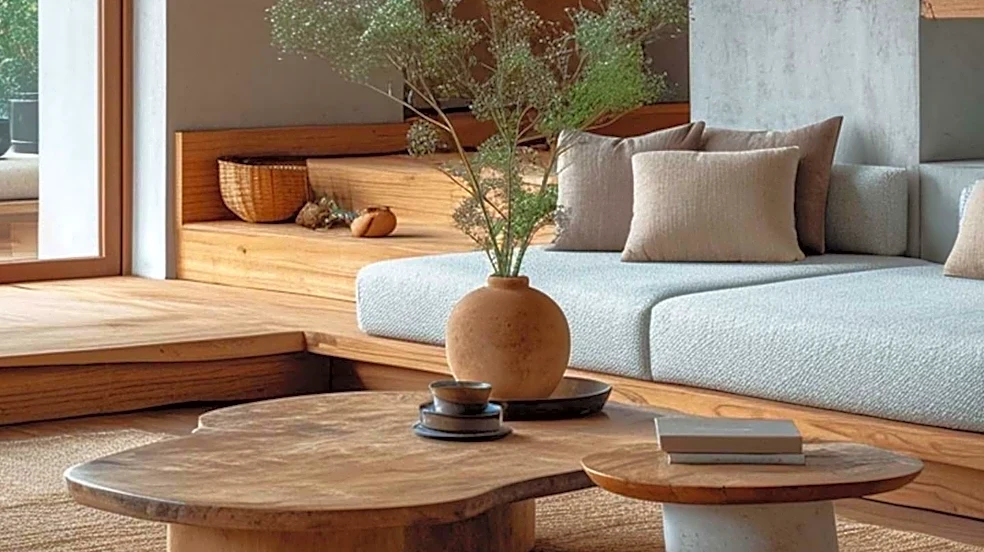
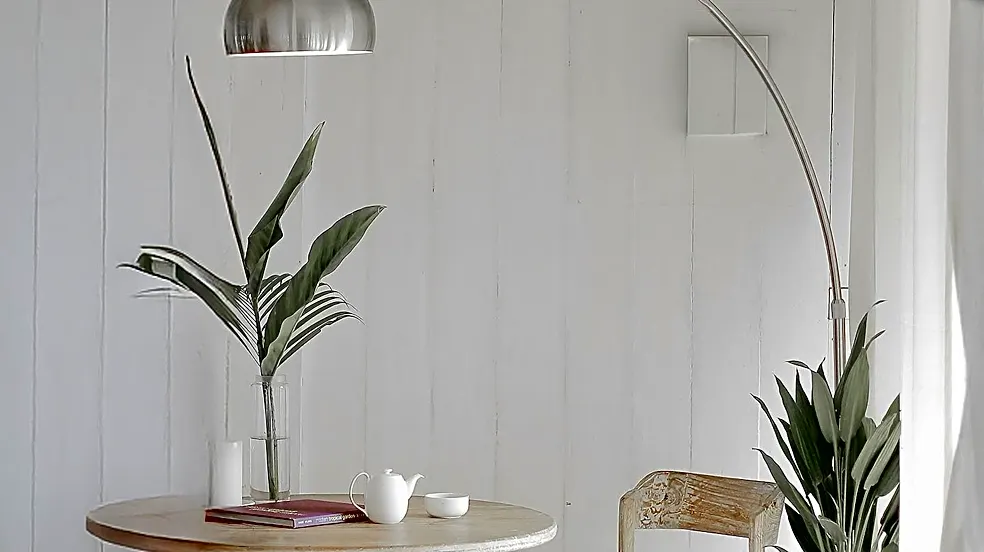
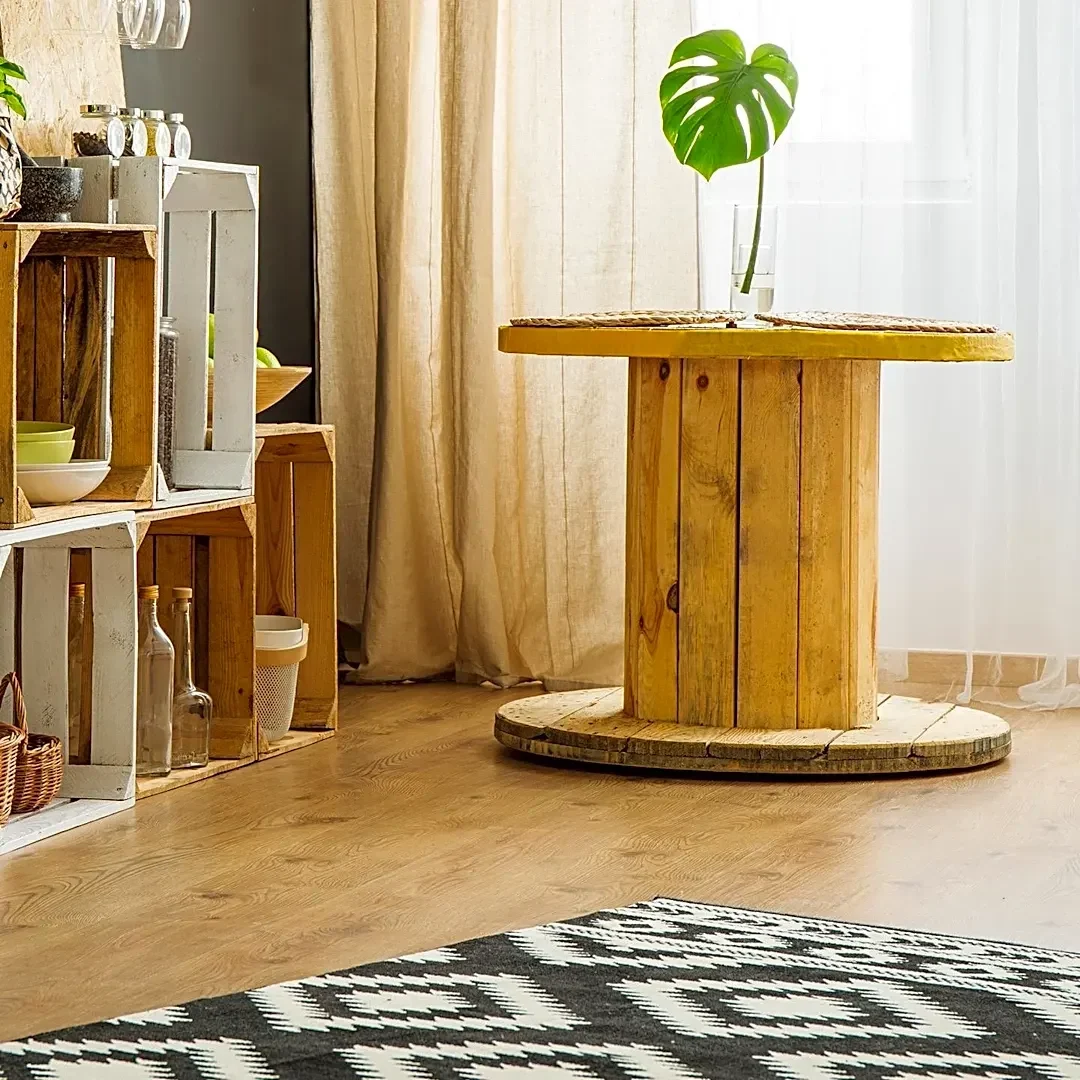
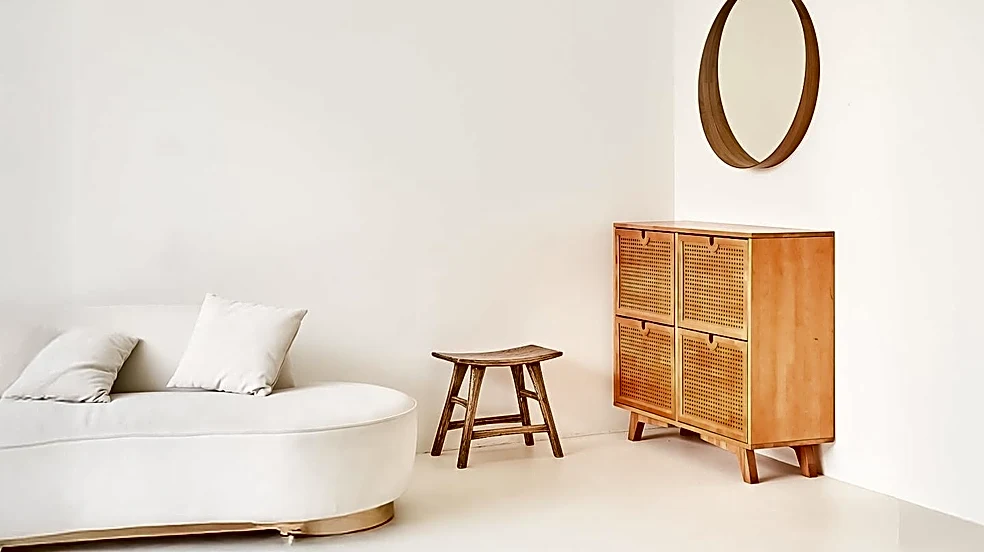
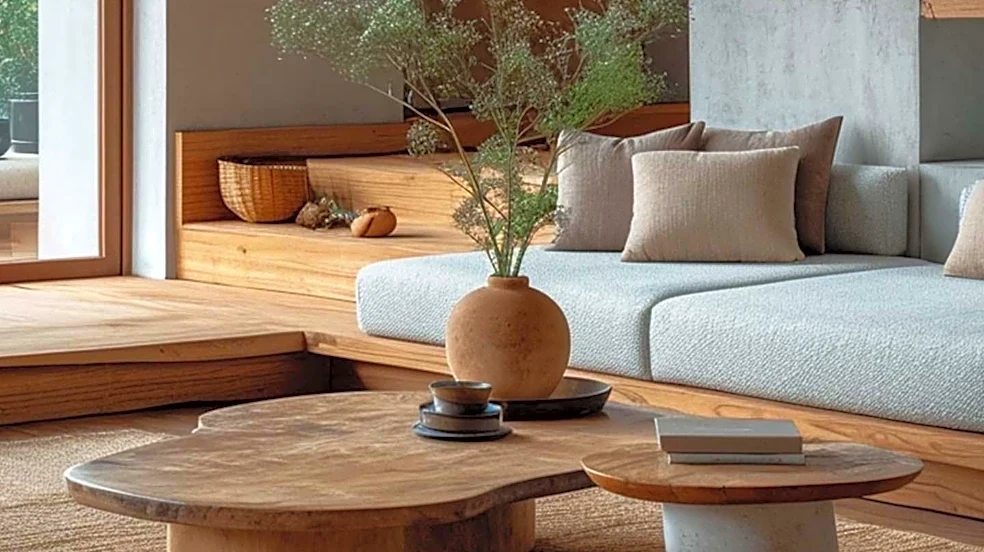
decluttering, using neutral color palettes, and integrating natural materials like wood and bamboo. Soft lighting, comfortable seating areas, and the strategic placement of plants are also key components. The goal is to transform any room into a peaceful retreat by making considered changes to color, materials, and layout. This design philosophy suggests that a cluttered space can lead to a cluttered mind, and by removing unnecessary items and organizing belongings, a more spacious and calming environment can be achieved. The approach extends to choosing wall art that reinforces Zen values of simplicity and presence, such as Japanese Sakura prints, rather than purely decorative patterns.
Why It's Important?
The integration of Zen decor with Scandinavian minimalism reflects a growing trend in the U.S. towards creating more tranquil and stress-reducing home environments. In a fast-paced society, the demand for personal spaces that promote relaxation and well-being is increasing. This design philosophy offers a practical framework for individuals to achieve this by focusing on simplicity, natural elements, and a clutter-free aesthetic. The emphasis on neutral colors and natural materials can also have economic implications, potentially boosting demand for sustainable and minimalist home furnishings. For industries related to interior design, furniture manufacturing, and home goods, this trend signifies a shift in consumer preferences towards mindful living and design. The focus on decluttering and intentional living can also influence consumer behavior, encouraging more thoughtful purchases and a reduction in excessive consumption, which has broader societal and environmental benefits.
What's Next?
The continued adoption of Zen and Scandinavian minimalist principles in U.S. home decor is likely to lead to further innovation in the design and retail sectors. We can expect to see more furniture and decor lines that prioritize clean lines, natural materials, and multi-functional designs. Interior designers may increasingly specialize in creating serene and mindful living spaces, offering services that blend these aesthetic philosophies. Educational content and workshops on decluttering, mindful living, and sustainable home design could also become more prevalent. Furthermore, as consumers become more aware of the psychological benefits of their living environments, there may be a greater emphasis on creating homes that support mental well-being, potentially influencing architectural trends and urban planning to incorporate more green spaces and natural light.
Beyond the Headlines
The blending of Zen and Scandinavian minimalism in home decor goes beyond mere aesthetics; it reflects a deeper cultural shift towards mindfulness and well-being in the U.S. This trend highlights a desire to counteract the stresses of modern life by creating sanctuaries within the home. Ethically, it promotes sustainable consumption by encouraging thoughtful purchases and reducing clutter, aligning with broader environmental concerns. Culturally, it signifies an appreciation for design philosophies that prioritize simplicity, functionality, and a connection to nature, drawing inspiration from diverse global traditions. This movement could also foster a greater understanding and appreciation of different cultural approaches to living, as elements from Japanese and Scandinavian design are integrated into American homes. The long-term impact could be a more conscious approach to home ownership and interior design, where spaces are curated not just for visual appeal but for their ability to foster peace and tranquility.