





What's Happening?
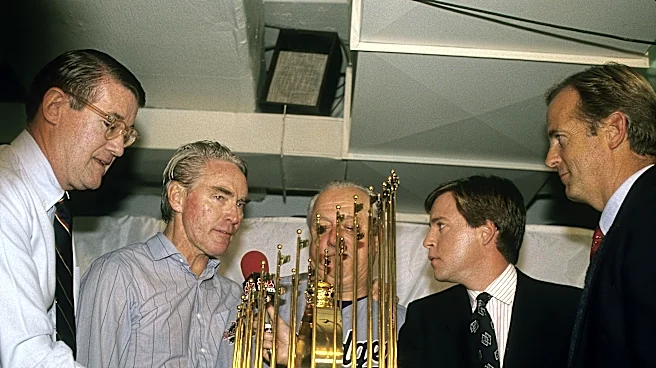
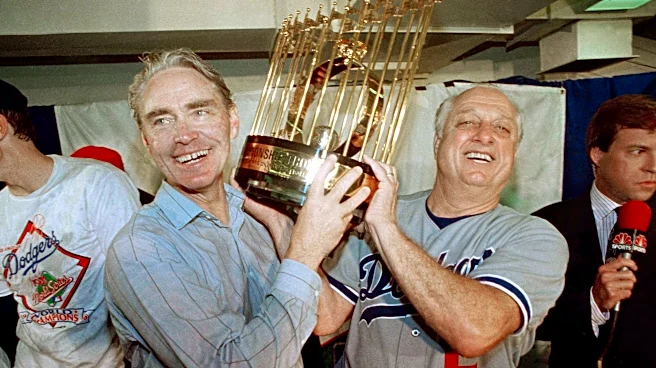
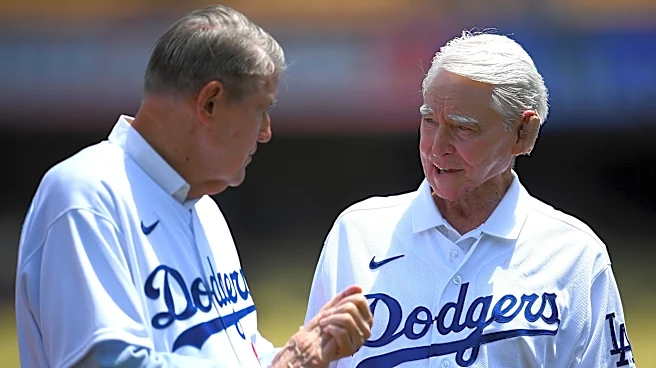
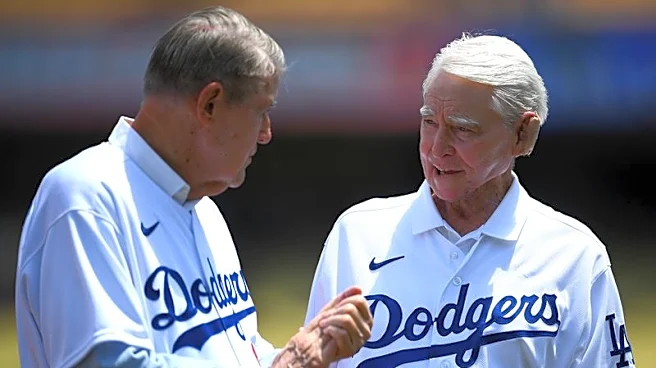
Former Dodgers owner Peter O'Malley has publicly lauded the late Fred Claire, the team's former general manager, for his pivotal role in the Dodgers' 1988 World Series victory. Claire, who served as general manager from 1987 to 1998, passed away recently
on his 91st birthday. O'Malley specifically highlighted Claire's instrumental decisions in acquiring key veteran players, including Kirk Gibson, during the 1988 offseason. Despite some initial skepticism about Claire's transition from a sportswriter to a general manager, O'Malley expressed confidence in his abilities, stating that Claire 'deserves a lot of credit for stepping in quickly, without any advance notice, and doing a great job.' Claire's tenure as general manager saw the Dodgers achieve significant success, culminating in their unexpected championship win against the Oakland Athletics in his second year in the role. His career with the Dodgers began in 1969 in public relations, where he steadily rose through the ranks to become vice president of the department in 1975 before taking on the general manager position.
Why It's Important?
Peter O'Malley's commendation of Fred Claire underscores the significant impact Claire had on one of baseball's most memorable underdog stories, the 1988 Dodgers World Series win. This recognition from a former owner provides historical validation of Claire's strategic acumen and leadership during a critical period for the franchise. The 1988 victory is often cited as a testament to effective team building and managerial foresight, particularly in acquiring veteran talent that gelled into a championship-winning squad. Claire's success as a general manager, despite his non-traditional background as a sportswriter, challenged conventional wisdom in sports management and demonstrated that deep understanding of the game can come from various professional paths. His legacy continues to influence how teams approach player acquisitions and team chemistry, emphasizing the value of experience and leadership beyond raw talent. The Dodgers organization and its fanbase continue to revere the 1988 team, and Claire's contributions remain a cornerstone of that historical achievement.
What's Next?
While Fred Claire has passed away, the recognition of his contributions by figures like Peter O'Malley helps solidify his legacy within baseball history. The Dodgers organization, led by President and CEO Stan Kasten, has already expressed profound gratitude for Claire's leadership and the 1988 World Series title he helped secure. It is likely that Claire will continue to be honored in various ways by the Dodgers, potentially through tributes at games, inclusion in team historical retrospectives, or further acknowledgments of his impact on the franchise. His story may also serve as an inspiration for future sports executives, demonstrating that diverse professional backgrounds can lead to successful leadership roles in professional sports. The ongoing remembrance of the 1988 team will inherently keep Claire's name and his strategic decisions in the forefront of Dodgers lore, ensuring his influence endures for future generations of fans and management.
Beyond the Headlines
The narrative surrounding Fred Claire's career, particularly his transition from sportswriter to successful general manager, offers a compelling case study in professional adaptability and the value of diverse perspectives in leadership. In an era where specialized expertise is often prioritized, Claire's journey highlights that a deep, nuanced understanding of a field, even if gained through observation and analysis rather than direct participation, can be incredibly effective. His success with the Dodgers challenges the notion that only former players or traditional baseball executives can lead a team to championship glory. This broader implication extends beyond sports, suggesting that industries can benefit from leaders who bring unconventional backgrounds and fresh viewpoints. Claire's ability to identify and integrate key veteran players also speaks to the art of team building, emphasizing the importance of character, experience, and strategic fit over individual star power, a lesson that remains relevant in contemporary sports and corporate environments alike.