








What's Happening?
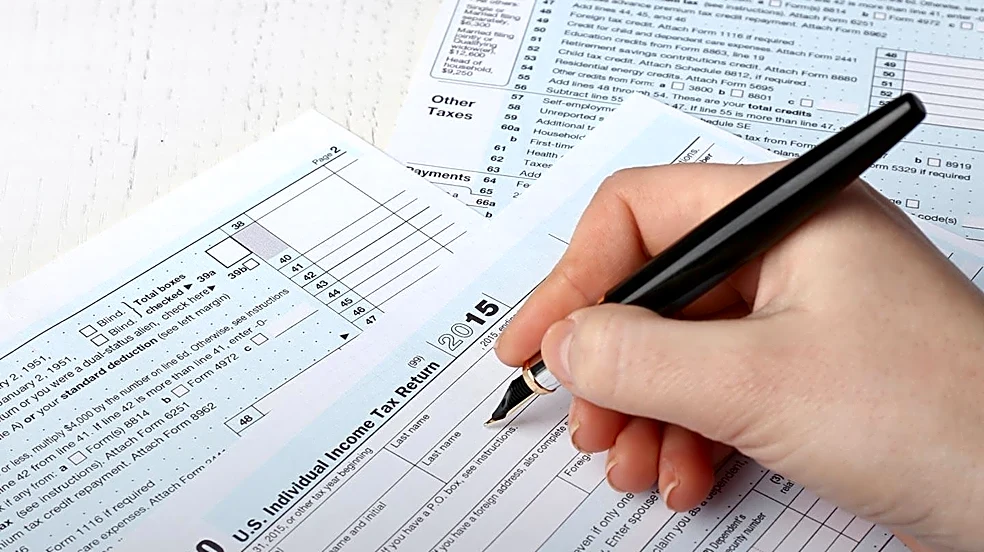
The Internal Revenue Service (IRS) issues an Employer Identification Number (EIN), which serves as a federal tax identification number for businesses. This number is commonly used by Limited Liability Companies (LLCs) for various essential business and
tax activities, including opening bank accounts, filing tax returns, and managing payroll. The application process for obtaining an EIN involves submitting Form SS-4 to the IRS. If an attorney, accountant, or other authorized representative assists with the application, the client may be required to sign an authorization for that individual to act on the company's behalf. It is important to note that an EIN does not determine company ownership nor does it, by itself, dictate how an LLC will be taxed. The EIN is a fundamental component of an LLC's organizational documents, alongside other critical paperwork such as the Certificate or Articles of Organization, Operating Agreement, and Ownership Schedule.
Why It's Important?
Understanding the role of an EIN and Form SS-4 is crucial for any business owner, particularly those forming an LLC in the U.S. The EIN is a gateway to legitimate business operations, enabling compliance with federal tax laws and facilitating financial transactions. Without an EIN, an LLC cannot legally hire employees, open a business bank account, or file federal tax returns, which are fundamental requirements for most businesses. This information is vital for new entrepreneurs and small business owners who may find the initial setup process complex. Clarifying that an EIN does not define ownership or tax structure helps prevent common misconceptions, ensuring businesses make informed decisions about their legal and financial frameworks. Proper handling of these documents from the outset can prevent future legal and tax complications, contributing to the stability and growth of U.S. businesses.
What's Next?
New and existing LLCs will continue to rely on the IRS for EIN issuance and guidance on tax compliance. Businesses forming an LLC will need to complete Form SS-4 to obtain their EIN, either independently or with the assistance of a legal or accounting professional. The IRS will continue to process these applications and provide resources to help businesses understand their tax obligations. Business owners should regularly review their organizational documents, including their operating agreement and ownership schedule, to ensure they remain current and accurately reflect the company's structure and operations. Staying informed about IRS guidelines and requirements for EIN usage and tax filings will be an ongoing responsibility for all LLCs to maintain good standing and avoid penalties. Educational resources from the IRS and professional advisors will remain key for business owners navigating these requirements.
Beyond the Headlines
The EIN, while seemingly a simple administrative number, underpins the entire federal regulatory framework for businesses in the U.S. Its requirement for various business functions highlights the government's role in formalizing and tracking economic activity. The distinction that an EIN does not determine ownership or tax structure points to the layered complexity of business law, where different identifiers and documents serve distinct legal and financial purposes. This foundational aspect of business formation also touches upon broader themes of transparency and accountability in the corporate world. By requiring an EIN, the IRS ensures that businesses are identifiable entities for tax purposes, which is essential for revenue collection and economic data analysis. This seemingly mundane detail is a cornerstone of the U.S. business environment, enabling both regulatory oversight and the legitimate functioning of enterprises.