










What's Happening?
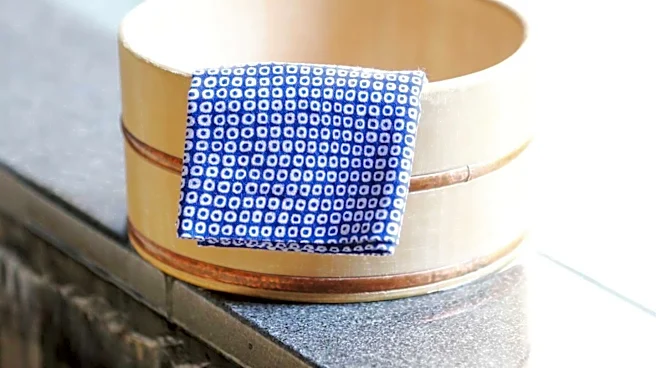
Japanese tenugui cloths, traditional hand towels made from yukata cotton, are gaining popularity for their versatility and aesthetic appeal. These cloths are known for their unique dyeing technique called chusen, which allows the dye to permeate the fabric,
making the patterns vibrant on both sides. Over time, tenugui become softer and more absorbent, making them ideal for various household uses. They are used as hand towels, napkins, and even as stylish accessories. The cloths are appreciated for their practicality and the cultural heritage they represent, often being used as gifts or for personal collections.
Why It's Important?
The growing interest in tenugui cloths highlights a broader trend of appreciating traditional crafts and sustainable products. As consumers become more environmentally conscious, the demand for reusable and durable items like tenugui increases. These cloths not only serve practical purposes but also carry cultural significance, promoting Japanese craftsmanship and design. Their versatility and aesthetic appeal make them a popular choice for those looking to incorporate functional art into their daily lives. This trend reflects a shift towards valuing quality and tradition in consumer goods.