


What's Happening?
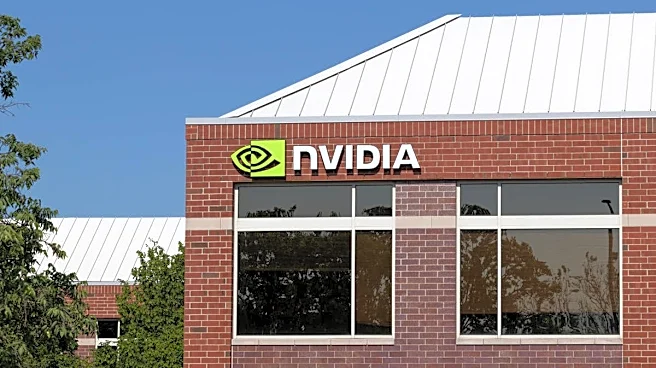
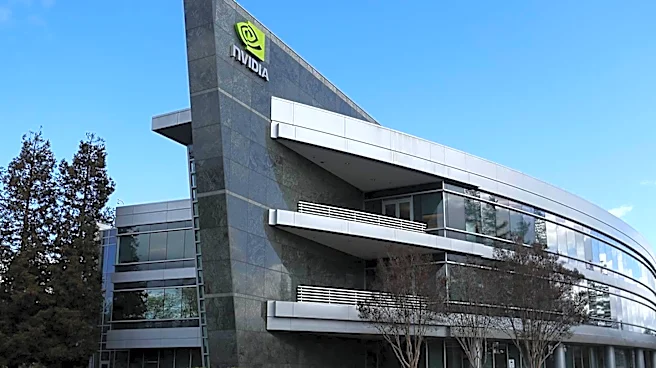
Nvidia has introduced its DSX Ready program, aiming to standardize the electrical and cooling infrastructure for AI data centers. This initiative extends Nvidia's influence beyond its core GPU technology to the surrounding physical components crucial
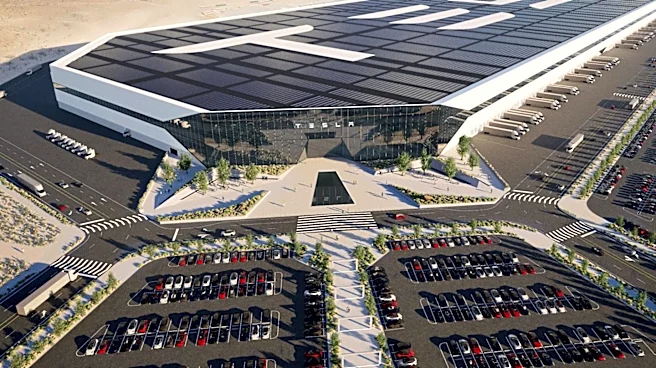
for operating high-density accelerated computing systems. On September 21, Nvidia announced that Tesla, Inc. is a qualified supplier for battery-energy-storage solutions, and Vertiv Holdings Co is a qualified supplier for cooling equipment under this new standard. The DSX Ready program seeks to streamline the design and deployment of AI factories by providing a compatibility layer for essential physical infrastructure. This move is intended to reduce friction in setting up dense accelerated-compute systems, where power stability, backup, liquid cooling, and controls are critical considerations due to the high power consumption of AI racks, which can consume hundreds of kilowatts. Nvidia believes that a recognized supplier list will accelerate project timelines and reinforce the adoption of its reference designs.
Why It's Important?
This standardization effort by Nvidia holds significant implications for the AI industry and its supply chain. By defining what a deployable Nvidia AI factory should entail, the company is effectively shaping the ecosystem around its GPUs. For Tesla, Inc., this qualification opens a new demand channel for its Megapack battery systems within the AI infrastructure sector, potentially expanding its energy business beyond utilities and renewable projects. Vertiv Holdings Co stands to benefit directly as its 2.3-megawatt CoolChip coolant distribution unit was specifically qualified, indicating a potential increase in demand for its liquid cooling solutions as rack densities rise. Nvidia's strategy could lead to faster deployment of AI data centers, which in turn could drive further demand for its GPUs and associated technologies. However, the success of this program hinges on whether customers view qualification as a practical shortcut that translates into actual orders and improved margins for the qualified suppliers, rather than just a listing on a standards page.
What's Next?
The immediate next steps will involve observing how the DSX Ready program is adopted by data center developers and whether the qualification translates into tangible project wins for Tesla and Vertiv. Nvidia will likely continue to expand its list of qualified suppliers and refine the standards as the AI infrastructure market evolves. The company's influence on the broader AI ecosystem is expected to grow as it integrates more aspects of data center design and operation into its framework. Industry stakeholders will be watching to see if this standardization accelerates AI deployment and if it leads to a more consolidated supply chain for AI hardware and infrastructure. The long-term impact will depend on the program's ability to genuinely reduce complexity and cost for AI factory development, while also navigating potential competitive responses from other technology providers.
Beyond the Headlines
Nvidia's DSX Ready program represents a strategic move to deepen its control and influence over the entire AI data center value chain. By standardizing the physical infrastructure, Nvidia is not just selling chips; it's selling a complete, integrated solution. This approach could create a 'moat' around its core GPU business, making it more challenging for competitors to enter the market with alternative AI hardware without adhering to Nvidia's established ecosystem. This could lead to a more vertically integrated AI industry, where a few dominant players dictate standards and control key components. The ethical implications of such consolidation include potential limitations on innovation from smaller players and concerns about vendor lock-in for customers. Furthermore, the program highlights the increasing complexity and specialized requirements of AI infrastructure, underscoring the need for robust and integrated solutions to manage the immense power and cooling demands of advanced AI systems.