






What's Happening?
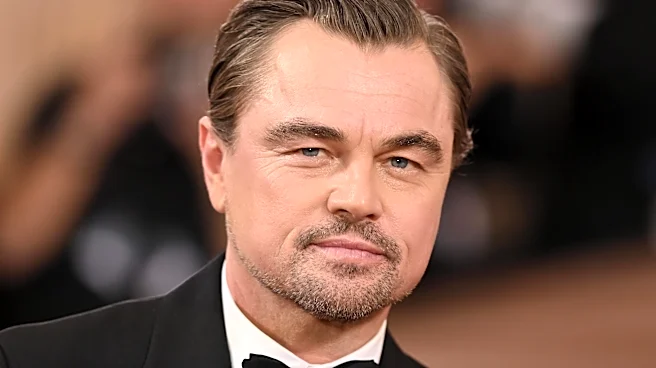
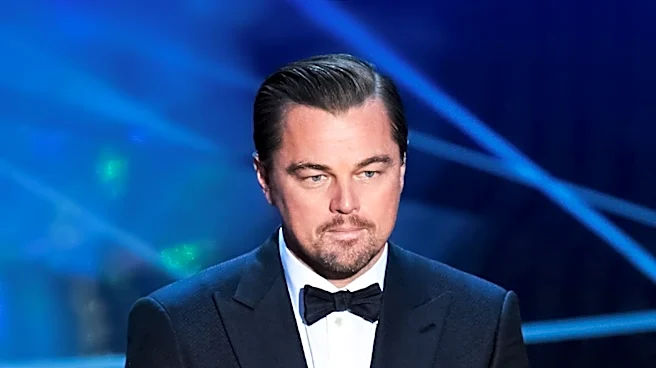
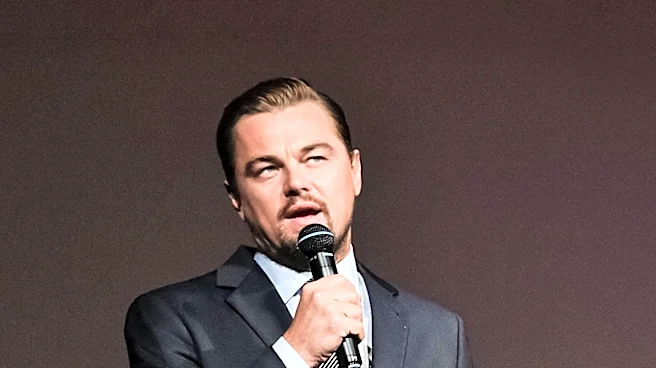
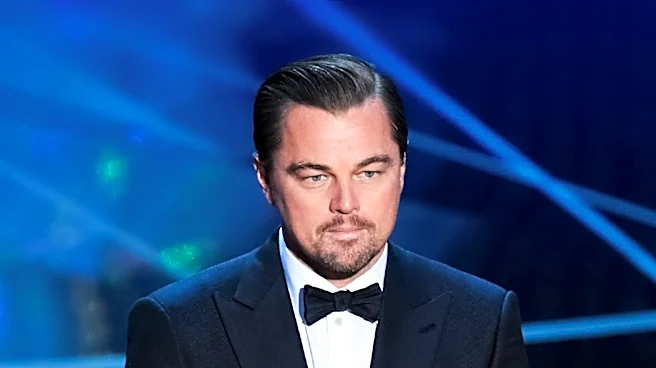
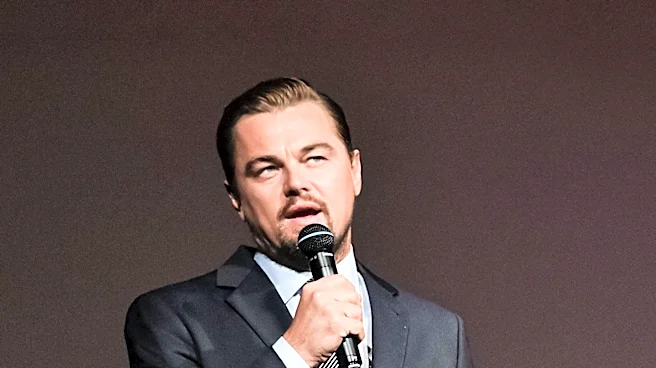
Journalist Megyn Kelly has publicly expressed her disapproval of Leonardo DiCaprio's 52nd birthday party, going so far as to coin the nickname 'Dick Crapo' for the actor. According to the Portland Mercury, Kelly found the party distasteful. The article
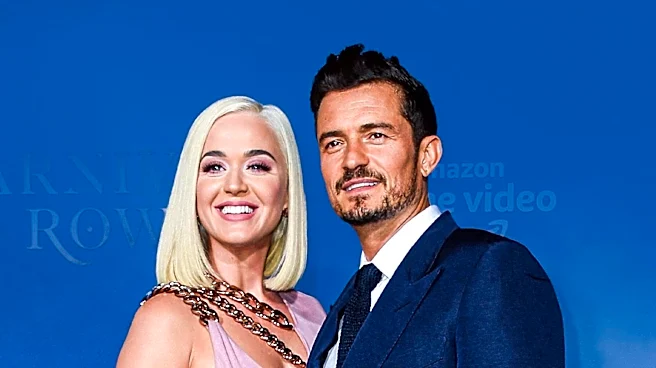
notes that DiCaprio's birthday celebration was attended by various celebrities, including 50 Cent, Jonah Hill, and Orlando Bloom. Bloom notably canceled an appearance at a Children's Hospital the day after the party, which the source implies was due to the festivities. Kelly's commentary places her among those who found the event to be in poor taste, highlighting a broader public discussion about celebrity behavior and perceived excesses.
Why It's Important?
Megyn Kelly's public criticism of a prominent Hollywood figure like Leonardo DiCaprio, coupled with her coining of a derogatory nickname, underscores the ongoing scrutiny faced by celebrities regarding their personal lives and public image. This event highlights the power of media personalities to shape public opinion and generate discussion around celebrity culture. For DiCaprio, such commentary, especially from a well-known journalist, could impact his public perception, even if subtly. The incident also reflects a societal trend where the actions of public figures are increasingly subject to immediate and often harsh judgment, particularly when perceived as indulgent or irresponsible, as suggested by Bloom's canceled hospital visit. This dynamic can influence how celebrities manage their public appearances and private events to avoid negative press.
Beyond the Headlines
The incident involving Megyn Kelly's remarks about Leonardo DiCaprio's birthday party delves into the cultural phenomenon of public shaming and the role of media in perpetuating it. Kelly's use of a provocative nickname for DiCaprio can be seen as a tactic to generate engagement and controversy, reflecting a broader trend in media where sensationalism often takes precedence. This type of commentary also raises questions about the boundaries of journalistic critique versus personal attack. Furthermore, the article's mention of Orlando Bloom's canceled hospital visit implicitly draws a contrast between celebrity indulgence and social responsibility, a theme frequently explored in public discourse. This event, while seemingly trivial, contributes to the ongoing conversation about celebrity accountability and the expectations placed upon public figures.