



What's Happening?
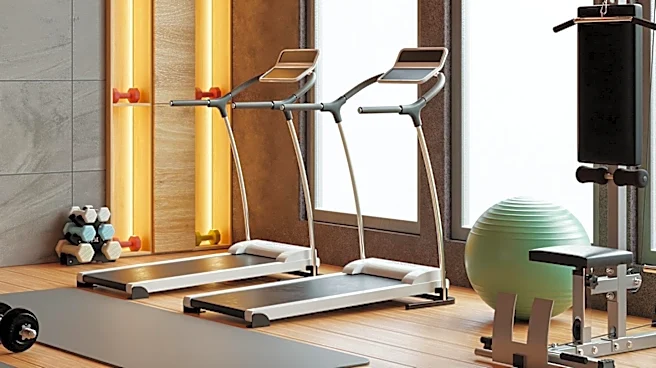
The home fitness market is expanding with various equipment designed to support weight loss and muscle building. While there isn't a single 'best' exercise for weight loss, options like incline treadmills, walking pads, rowing machines, exercise bikes,
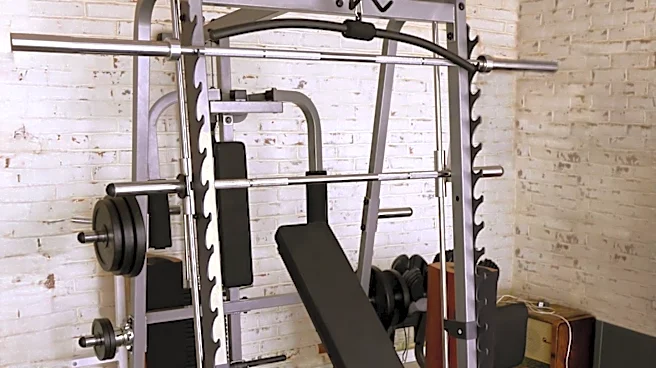
ellipticals, steppers, and strength benches cater to different fitness levels, space constraints, and preferences. An incline treadmill is highlighted as a versatile choice, capable of progressing from easy walking to more intense jogging and running, and incline work. Walking pads are presented as accessible tools for daily activity and reducing sedentary time, particularly suitable for small spaces. Rowing machines offer full-body cardio with low impact, while exercise bikes provide seated, adjustable cardio. Ellipticals deliver smooth, low-impact endurance training, and steppers focus on leg-centric workouts. Strength benches are recommended for incorporating resistance training to maintain or build muscle, complementing cardio efforts. The effectiveness of any equipment ultimately depends on consistent use and its integration into a sustainable calorie deficit.
Why It's Important?
The growing availability and diversity of home fitness equipment are significant for public health and the fitness industry in the U.S. This trend empowers individuals to maintain active lifestyles and pursue weight loss or muscle-building goals without the need for gym memberships or extensive travel. The emphasis on compact and versatile equipment, such as foldable treadmills and workstation bikes, addresses common barriers like limited space and time, making fitness more accessible to a broader population. This shift can lead to improved overall health outcomes, reduced healthcare costs associated with sedentary lifestyles, and increased consumer spending within the home fitness sector. For businesses, it signifies a continued demand for innovative, space-saving, and multi-functional fitness solutions, driving product development and market competition. The focus on consistent, sustainable routines over intense, short-lived efforts also promotes healthier, long-term fitness habits.
What's Next?
The home fitness market is likely to continue its expansion, with manufacturers focusing on further innovation in compact, smart, and multi-functional equipment. We can anticipate more integration of technology, such as AI-powered coaching and personalized workout programs, into home devices to enhance user engagement and effectiveness. There may also be a greater emphasis on subscription-based content and virtual fitness classes to accompany hardware purchases, creating a more holistic home fitness ecosystem. Consumers will likely see an increase in options that cater to specific needs, such as equipment designed for rehabilitation, senior fitness, or specialized athletic training. The ongoing development of ergonomic and space-saving designs will also be a key trend, making home workouts feasible for even more households. Additionally, as awareness of the importance of both cardio and strength training grows, integrated solutions that combine these elements in a single, compact unit could become more prevalent.
Beyond the Headlines
The rise of home fitness equipment reflects a broader societal shift towards convenience, personalization, and self-care. This trend has implications beyond physical health, influencing urban planning, residential design, and even work-life balance. As more people exercise at home, there could be a reduced reliance on traditional gyms, potentially impacting commercial real estate and the service industry surrounding fitness centers. The emphasis on individual responsibility for health, facilitated by accessible home equipment, also raises questions about equitable access to these resources, as cost can still be a barrier for some. Furthermore, the integration of technology into fitness equipment, while offering benefits, also brings considerations of data privacy and the potential for over-reliance on digital metrics. The long-term cultural impact could be a normalization of daily physical activity as an integral part of home life, blurring the lines between personal space and workout space.