









What's Happening?
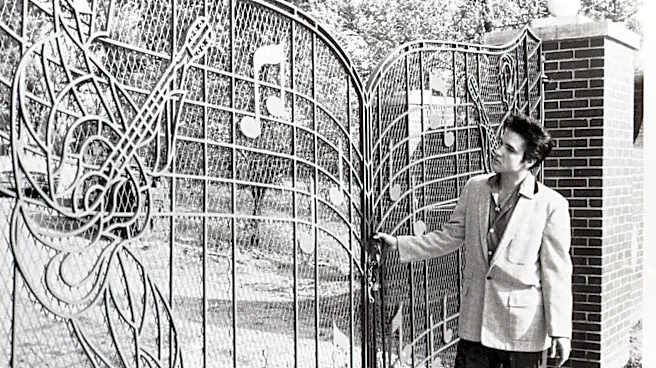
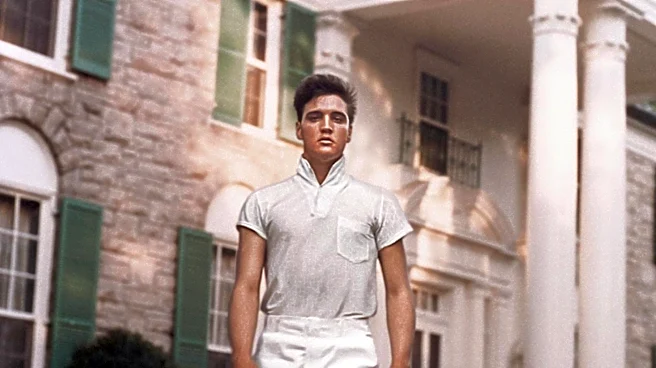
In 1956, at the age of 21, Elvis Presley purchased his first home for his parents in Memphis, Tennessee, for $29,500. This purchase occurred as his career was rapidly ascending with hits like 'Heartbreak Hotel' and his debut album reaching number one.
The four-bedroom, two-bathroom ranch-style house at 1034 Audubon Drive symbolized Presley's desire to provide his parents with comfort and stability after years of financial hardship. The family moved into the home on March 20, 1956. Despite improvements made to the property, including a swimming pool, the family's privacy was increasingly compromised by growing fan and media attention. Presley resided there for approximately 13 months before purchasing Graceland in March 1957.
Why It's Important?
This early home purchase by Elvis Presley is significant as it highlights a pivotal moment in his personal life and burgeoning career. It underscores his deep commitment to his family and his desire to lift them out of poverty, a recurring theme in his life story. The rapid transition from this modest home to Graceland within a year illustrates the unprecedented speed and scale of his rise to superstardom. The property's subsequent history, including its sale for over $900,000 in 2006 and its eventual donation to Rhodes College for music research, demonstrates its enduring cultural and historical value. It serves as a tangible link to the early days of a music icon, offering insights into his values before he became a global phenomenon.
What's Next?
The Audubon Drive home, now owned by Rhodes College, continues to serve as a unique educational and cultural resource. Through the Mike Curb Institute for Music, students utilize the property for music research, creative projects, and intimate performances. This ongoing use ensures that the legacy of Elvis Presley's early success and his family's journey remains connected to future generations of musicians and scholars. The college's stewardship of the property suggests a continued focus on preserving its historical significance while integrating it into contemporary academic and artistic endeavors. Future initiatives might include further archival work, public programming, or collaborations that explore the intersection of music history and community engagement.
Beyond the Headlines
The story of Elvis Presley's Audubon Drive home offers a deeper look into the human element behind the superstar persona. It reflects the universal desire to provide for one's family and the profound impact of sudden wealth on personal life. The eventual transformation of the house from a private residence to a historical artifact and then to an academic resource highlights the evolving ways society preserves and interprets cultural heritage. It also touches upon the ethical considerations of privacy for public figures and their families, as the home quickly became a target for fans and photographers. The property's journey from a symbol of personal achievement to a tool for educational enrichment underscores its multifaceted legacy beyond mere real estate value.