






What's Happening?
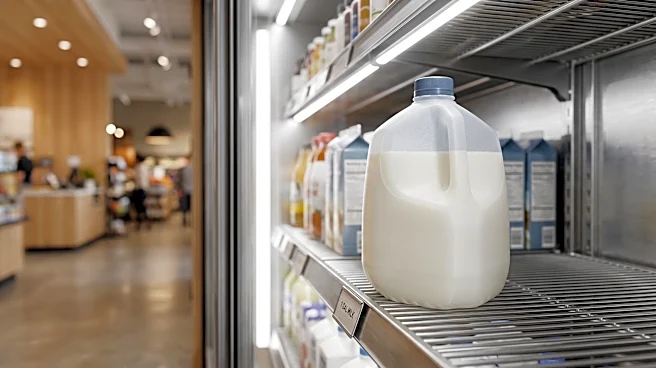
The price of milk at Circle K convenience stores is not uniform across the United States, but rather a localized cost influenced by several factors. These include state-specific taxes, transportation expenses, and the operational costs of individual franchisees.
The base price of milk is determined by the market rate for raw milk, which can fluctuate regionally based on proximity to dairy farms. To this base, Circle K adds its own fixed costs for procurement, storage, and refrigeration. State and local taxation play a significant role, as some states exempt groceries from sales tax, while others apply a standard sales tax, directly impacting the final price. For instance, a 7% sales tax on a $3.50 gallon of milk can add nearly 25 cents to the cost. Circle K stores typically offer various milk types, including whole milk, reduced-fat (2%), low-fat (1%), skim milk, and sometimes flavored or specialty milks like organic options, with prices varying based on fat content and processing.
Why It's Important?
The localized pricing of essential goods like milk at convenience stores such as Circle K highlights the complex economic landscape consumers navigate. For U.S. households, especially those in lower-income brackets, even small price variations on staple items can impact household budgets. The influence of state and local taxes on food prices underscores the varying cost of living across different regions and the direct effect of local policy on consumer spending. While grocery stores generally offer lower milk prices due to higher volume and more efficient supply chains, Circle K's value proposition lies in convenience, catering to immediate or emergency purchases. This pricing structure means that consumers prioritizing convenience may pay a premium, affecting their purchasing power and potentially leading to different shopping behaviors based on their location and financial situation. Understanding these factors is crucial for consumers to make informed purchasing decisions and for policymakers to assess the impact of local taxation on everyday necessities.
What's Next?
Consumers can expect milk prices at Circle K to continue reflecting local market dynamics, including fluctuations in raw milk costs, transportation expenses, and regional tax policies. As a franchise model, individual Circle K owners will likely maintain autonomy in setting prices based on their specific operating costs and local competitive environments. Shoppers may see continued price disparities between different cities and states. The availability of loyalty programs or digital reward cards at some Circle K locations could offer periodic discounts on dairy products, providing a potential avenue for cost savings for enrolled customers. Additionally, as consumer preferences evolve, the range of specialty milks, such as organic or plant-based alternatives, might expand, potentially introducing new pricing tiers. Consumers will need to remain aware of local pricing and potential loyalty program benefits to optimize their purchases.
Beyond the Headlines
The varying milk prices at Circle K reflect broader economic and logistical challenges within the U.S. food supply chain. The impact of state-specific taxes on essential goods raises questions about equity and access, particularly for communities in areas with higher sales taxes on groceries. This localized pricing model also highlights the intricate balance between convenience and cost, a trade-off many consumers face daily. The reliance on individual franchisees to set prices underscores the decentralized nature of many retail operations, which can lead to inconsistencies but also allows for responsiveness to local market conditions. Furthermore, the discussion around milk pricing touches upon the agricultural sector's economics, including dairy farming costs and distribution networks, revealing how macro-level factors translate into micro-level consumer prices. This situation prompts a deeper look into how local economic policies and supply chain efficiencies collectively shape the cost of basic necessities for the American public.