






What's Happening?
Saikindō, a new Japanese hi-fi bar, has opened at the Four Seasons Hotel Abu Dhabi on Al Maryah Island. The establishment is designed with a unique concept, initially appearing as a fashion atelier lined with embroidered sukajan jackets and 1980s Japan-inspired
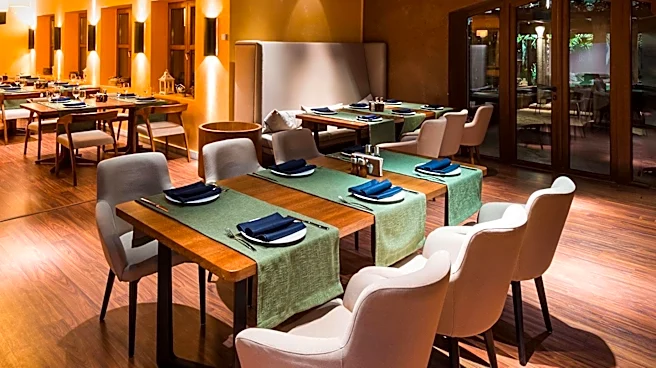
accessories. A concealed door then leads guests into the bar, which focuses on analogue sound, yakitori smoke, and Bōsōzoku biker aesthetics. The name Saikindō is an informal Japanese greeting meaning 'How have you been?', targeting the island's after-work clientele. The design, by AvroKO, draws inspiration from Japan’s 1960s Metabolism movement, vintage speaker timber craft, and a 'Bond-zoku' concept, envisioning James Bond in a sukajan jacket. The interior features circles and squares, carved openings, and backlighting reminiscent of radio static and Metabolist structures. The main lounge incorporates shallow timber speaker forms, oak, jade velvet, and polished metal to evoke vintage audio equipment. A central DJ booth, flanked by vinyl shelves and mixing stations, dictates the layout, with a flush bar counter placing bartenders and guests at eye level. A private Kūkan room includes a concealed DJ booth and embroidered flaming tigers, while an outdoor woven mural depicts Ultraman, King Kong, and Godzilla.
Why It's Important?
The opening of Saikindō signifies a growing trend in the hospitality industry towards creating immersive, multi-sensory experiences that blend dining, entertainment, and unique design concepts. This establishment's elaborate theme, from its disguised entrance to its detailed interior, aims to attract a sophisticated clientele seeking more than just a traditional bar experience. The focus on analogue sound, Japanese whisky, and robata cooking caters to niche interests, potentially drawing in audiophiles, connoisseurs of Japanese culture, and food enthusiasts. For the Four Seasons Hotel Abu Dhabi, this new venue enhances its luxury offerings and differentiates it within a competitive market, potentially boosting its appeal as a destination for both local residents and international travelers. The integration of design elements from Japanese cultural movements and vintage aesthetics also highlights a broader appreciation for specific cultural and historical influences in contemporary design, setting a precedent for future luxury hospitality ventures.
What's Next?
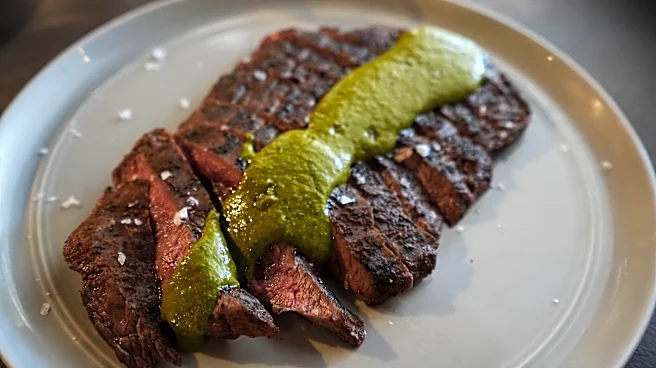
Saikindō will continue to offer its distinctive 'Aji No Hibiki' ('Resonance of Flavour') cocktail menu, structured like a record with 12 song-inspired drinks divided into 'Side One' and 'Side Two.' Beverage director Marco Corallo and head mixologist Ann Pinsuda designed the drinks with flavor profiles informed by bassline, tempo, and melody. Examples include 'Big Poppa' with sotol, Campari, wasabi, tomato dashi, and vanilla, and 'Like Sugar' with vodka, black sesame, banana, tonic, and blueberry balsamic, with several options available as free-spirited serves. The 18-seat Robata Room, led by chef Slamet Wahyudi, will continue to serve a menu featuring A5 wagyu tartare, lobster negima, and Kobe sirloin skewers. The bar is expected to become a popular spot for the after-work crowd on Al Maryah Island, and its unique concept may influence future luxury bar and restaurant designs in the region and beyond.
Beyond the Headlines
The conceptual depth of Saikindō, drawing from Japan’s 1960s Metabolism movement and the 'Bond-zoku' aesthetic, suggests a deeper engagement with cultural narratives in commercial spaces. This approach moves beyond superficial thematic decor to integrate architectural and cultural philosophies into the very fabric of the establishment. The use of analogue sound and vintage audio equipment taps into a growing nostalgia for tangible, high-quality sensory experiences in an increasingly digital world. This trend reflects a desire for authenticity and craftsmanship, offering patrons a retreat from the ubiquitous digital noise. Furthermore, the bar's initial disguise as a fashion atelier creates an element of discovery and exclusivity, enhancing the customer's journey and transforming a simple visit into an immersive narrative. This blend of design, culture, and sensory experience could set a new standard for luxury entertainment venues, emphasizing storytelling and curated environments as key components of the hospitality experience.