






What's Happening?
The Global Electronics Association has issued an alert regarding a looming shortage of Printed Circuit Boards (PCBs) that could parallel the 2021 semiconductor crisis. This impending scarcity is primarily driven by a significant surge in demand for advanced
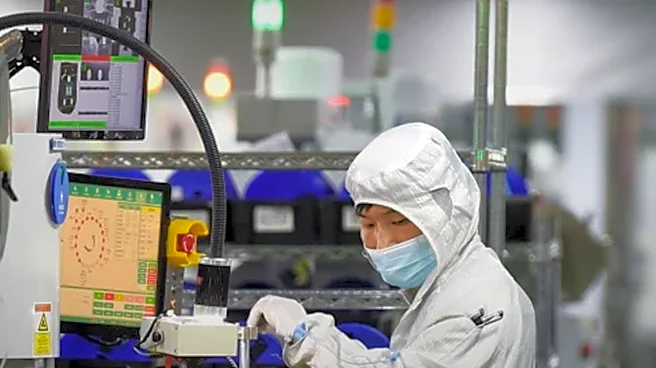
PCBs, particularly those used in Artificial Intelligence (AI) servers. While a typical PCB has around 12 layers, AI server boards require 40-60 layers or more, necessitating increased quantities of glass fabric, resin, copper foil, and laminate. This heightened demand is absorbing existing production capacity, leading to longer delivery times and difficulties in securing supplies across various sectors, including automotive, industrial, medical, defense, and telecommunications. According to the association's data, PCB bookings increased by 56.1% year-over-year through September, whereas shipments only grew by 13.3%. Lead times for high-layer boards have extended to 16 to 20 weeks or more, and meaningful relief is not anticipated before mid-2028.
Why It's Important?
This potential PCB crisis carries significant implications for U.S. industries and the broader economy. PCBs are fundamental components in nearly all electronic devices, meaning a shortage could disrupt manufacturing across a wide array of sectors, from consumer electronics to critical infrastructure and defense systems. The increased demand from AI servers, which are crucial for technological advancement and economic competitiveness, is diverting resources and capacity from other industries. This could lead to production delays, increased costs, and potentially stifle innovation in non-AI-related fields. The U.S. economy, heavily reliant on technology and manufacturing, stands to lose if key industries cannot access necessary components. Companies that depend on these boards for their products may face reduced output, impacting their revenue and market share, while consumers could experience higher prices and limited availability of goods. The concentration of glass fabric production among a few global manufacturers further exacerbates the vulnerability of the supply chain.
What's Next?
Manufacturers are currently investing in additional production capacity, with estimates suggesting at least $10 billion has been invested in new PCB plants in Southeast Asia over the past three years. However, these new facilities will take time to become operational, and expanding board production alone may not resolve the issue due to existing shortages in raw materials like glass fabric. Materials suppliers, such as Doosan and Ventec, are also expanding their production bases, and Panasonic Industry is investing in AI-related capacity, but some projects are years away from completion. The Global Electronics Association is urging governments to recognize PCB supply as a strategic issue and extend semiconductor incentives to advanced PCB and substrate manufacturing. They also recommend expediting permitting for new production facilities, supporting the qualification of alternative materials, and prioritizing orders for defense, aerospace, medical, and critical-infrastructure applications. For manufacturers, recommendations include sharing more realistic forecasts, avoiding duplicate orders, and qualifying alternative material sources.
Beyond the Headlines
The impending PCB crisis highlights a deeper vulnerability in global supply chains, particularly concerning critical technological components. The intense demand driven by AI development underscores a growing competition for resources that could reshape industrial priorities and national security strategies. The ethical implications of prioritizing AI server production over other essential sectors, such as medical devices or defense, could become a significant debate. Furthermore, the crisis could accelerate efforts towards greater supply chain resilience and localization, prompting governments and industries to invest more in domestic manufacturing and diversification of material sources to reduce reliance on a few key regions or suppliers. This situation also brings to light the need for more robust international cooperation to manage and mitigate such widespread industrial challenges, potentially leading to new trade policies and agreements aimed at securing critical component supplies.