





What's Happening?
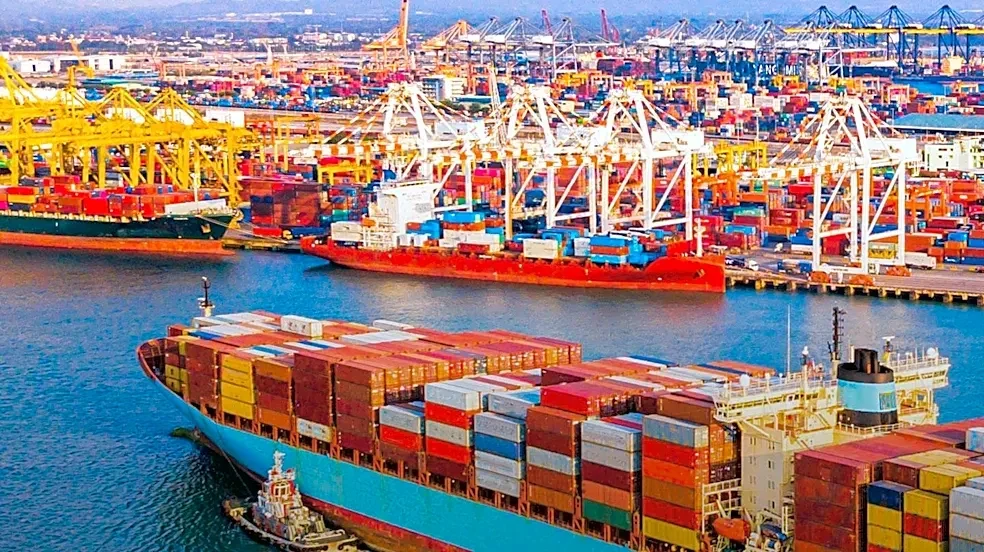
The World Customs Organization (WCO) is actively promoting the implementation of a 'Single Window Environment' to enhance efficiency in global trade and port cargo clearance. This initiative aims to connect various international regulatory organizations,
including customs, agriculture departments, port authorities, and health agencies, into a unified system. The goal is to standardize the submission of all trade documents, thereby reducing delays caused by fragmented and manual paperwork processes. The WCO's efforts align with other international regulations, such as the IMO’s Facilitation of International Maritime Traffic (FAL) Convention, which mandates Electronic Data Interchange (EDI) systems, and the Mandatory Maritime Single Window (MMSW) that came into force in 2024, requiring IMO member states to use a single channel for information exchange on ship movements. By integrating these systems, the WCO seeks to provide better visibility for operators through event-based updates, tracking cargo movement from physical handling to digital trails.
Why It's Important?
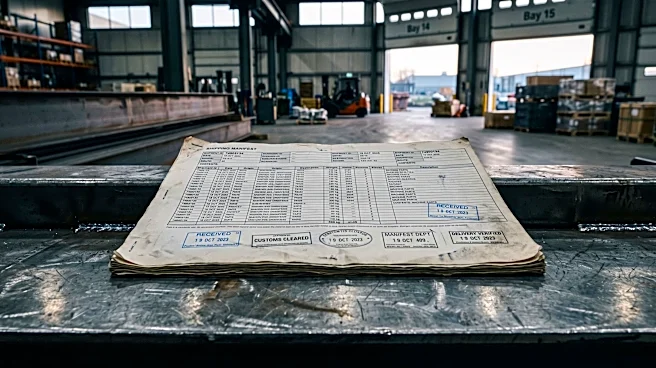
The WCO's push for a Single Window Environment is crucial for the U.S. and global trade as it directly addresses significant inefficiencies in port operations. Current systems often lead to delays, even with automated cargo handling, because the 'paper trail' for approvals and checks remains semi-automated and fragmented. These delays can add 24 to 72 hours to cargo clearance times, resulting in monetary charges like demurrage and missed delivery costs. By streamlining document submission and integrating data across various agencies, the initiative can significantly reduce these bottlenecks, making supply chains more reliable and cost-effective. This benefits U.S. businesses involved in international trade by lowering operational costs, improving delivery times, and enhancing overall competitiveness. Furthermore, a more transparent and efficient system can help in better risk management and compliance, reducing the likelihood of discrepancies that can halt shipments.
What's Next?
The ongoing development and adoption of the WCO Single Window Environment will likely see continued collaboration with member states and international bodies to integrate diverse regulatory requirements. The focus will be on ensuring that all trade documents are submitted in a standard format and that event-based updates provide real-time visibility of cargo status. This will involve further technological advancements and the implementation of robust EDI systems that connect various stakeholders, including shipping companies, terminal operators, and government agencies. The success of this initiative will depend on the willingness of individual nations and their respective agencies to adopt and integrate these standardized systems. Future efforts will also concentrate on training customs professionals globally, as seen in the WCO's Anti-Corruption and Integrity Promotion (A-CIP) Programme, to ensure effective utilization and compliance with the new streamlined processes.
Beyond the Headlines
Beyond the immediate benefits of faster cargo clearance, the WCO's Single Window Environment has deeper implications for global trade governance and security. By centralizing and standardizing data, it enhances transparency, which is a critical component in combating corruption and illicit trade activities. The initiative fosters greater international cooperation among customs authorities and other regulatory bodies, creating a more harmonized approach to trade facilitation. This interconnectedness can also improve data accuracy and integrity, which is vital for risk assessment and the prevention of fraudulent activities. In the long term, a truly integrated single window system could lead to more resilient supply chains, better preparedness for global disruptions, and a more equitable trading environment by reducing administrative burdens, particularly for smaller businesses engaging in international commerce.