





What's Happening?
Recent discussions in the agricultural sector suggest that the anticipated price reductions for autonomous weeding robots may not materialize as expected. Traditionally, technological advancements and increased production volumes have led to lower prices
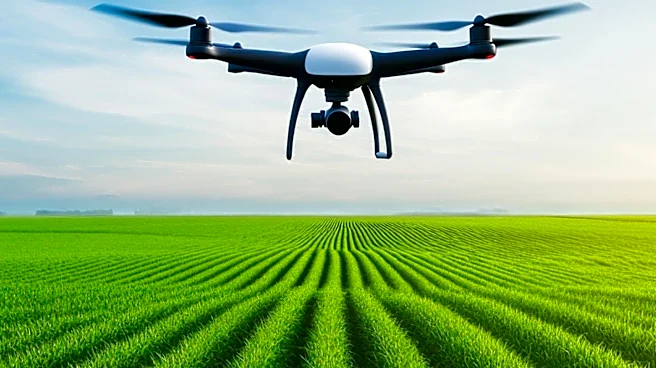
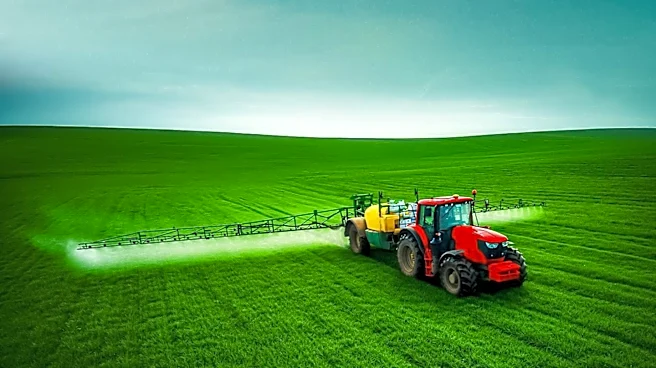
for equipment like GPS systems and drones. However, experts like Joost Rijk from Wageningen University & Research argue that the pricing of agricultural robots is more closely tied to the value they provide on farms rather than the cost of production. This perspective was highlighted during a field demonstration in the Netherlands, where it was noted that the economic justification for growers plays a crucial role in determining the price. Manufacturers face a dilemma: pricing robots too high could deter sales, while pricing them too low could erode profits. The focus is shifting from purchase price to the economic value robots bring, such as labor replacement and reduced herbicide use.
Why It's Important?
The potential stagnation in price reductions for agricultural robots has significant implications for the farming industry. As labor shortages and environmental regulations increase, the demand for efficient and sustainable farming solutions grows. Robots that can replace human labor and reduce chemical use are becoming more valuable. However, if prices remain high, smaller farms may struggle to adopt these technologies, potentially widening the gap between large and small agricultural operations. This could lead to a concentration of technological advancements in larger farms, affecting market dynamics and competitiveness. The shift in focus from cost to value also suggests a change in how agricultural technology is evaluated, emphasizing long-term benefits over initial investment costs.
What's Next?
As the agricultural sector continues to evolve, the role of robots is expected to expand. Manufacturers may need to innovate not just in technology but also in business models to make robots more accessible. This could involve leasing options or performance-based pricing models. Additionally, as environmental regulations tighten and labor shortages persist, the demand for robots is likely to increase, potentially driving further innovation and efficiency improvements. Stakeholders, including policymakers and industry leaders, may need to consider incentives or support mechanisms to facilitate the adoption of these technologies across diverse farming operations.
Beyond the Headlines
The discussion around agricultural robots also touches on broader themes of technological adoption and economic sustainability in farming. The emphasis on value over cost reflects a shift towards more strategic decision-making in agriculture, where long-term sustainability and efficiency are prioritized. This could lead to a reevaluation of traditional farming practices and a greater emphasis on innovation and adaptability. The potential for robots to transform agricultural practices also raises questions about the future of rural employment and the skills needed in a more automated farming landscape.