



What's Happening?
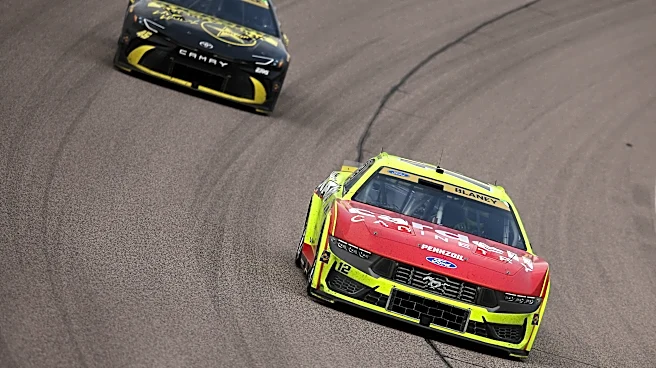
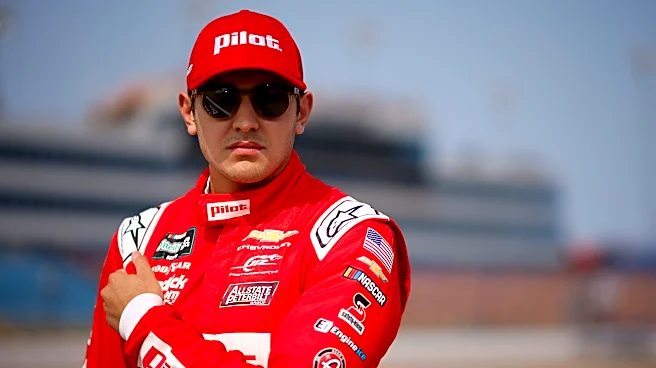
NASCAR is increasingly embracing its rugged past, characterized by a more lenient stance on post-race altercations and a return to traditional short tracks. This shift was evident after a pit-road incident at Bristol where Carson Hocevar and Ryan Blaney
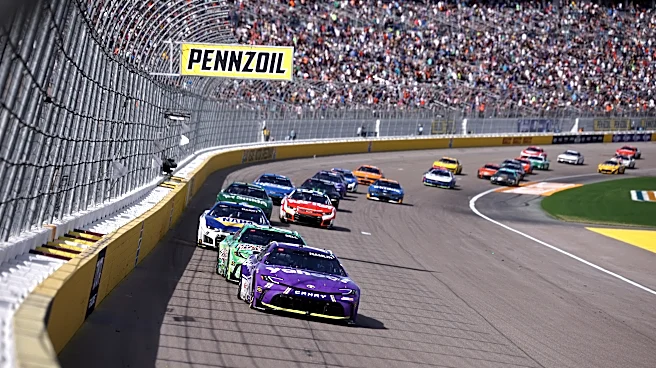
engaged in a physical confrontation following on-track contact that ended Blaney's race. Despite the altercation, NASCAR issued no penalties or fines, a decision that NASCAR CEO Steve O'Donnell stated was not to encourage fighting but to encourage 'passion.' This approach is seen by many as a return to the 'Boys, have at it' attitude reminiscent of the sport's earlier days, including the famous 1979 Daytona 500 fight. The sport is also moving back to historic venues like North Wilkesboro and Bowman Gray Stadium, which resonate with its grassroots origins, after a period of expanding to larger, more modern tracks.
Why It's Important?
This strategic shift by NASCAR has significant implications for its brand identity and fan engagement. By tolerating post-race fisticuffs and returning to its historical roots, NASCAR is attempting to reconnect with a segment of its fan base that values the sport's raw, blue-collar image and its heritage of intense rivalries. This move could revitalize interest among long-time fans who felt alienated by a more corporate and 'squeaky clean' image. However, it also carries risks, as some may view the lack of penalties for physical altercations as promoting unsportsmanlike conduct. The emphasis on passion and the return to traditional tracks could foster a more authentic and visceral experience for both drivers and spectators, potentially boosting attendance and viewership at these historic venues and reinforcing NASCAR's unique cultural position in American sports.
What's Next?
NASCAR's CEO Steve O'Donnell indicated that the organization will 'watch what happens the rest of the way' regarding driver conduct, suggesting that while passion is encouraged, there may be limits to what is tolerated. This implies a continued balancing act between allowing drivers to express their emotions and maintaining a degree of order. The return to traditional tracks like North Wilkesboro and Bowman Gray Stadium is likely to continue, with more events potentially being scheduled at similar venues. This trend could lead to a resurgence of short-track racing and dirt-track events within the Cup Series, further solidifying NASCAR's connection to its origins. The success of these initiatives will likely be measured by fan reception, television ratings, and the overall health of the sport's competitive environment.
Beyond the Headlines
NASCAR's embrace of its 'rugged past' delves into deeper cultural and sociological aspects of American sports. The move reflects a broader societal yearning for authenticity and a rejection of overly sanitized, corporate-driven entertainment. By allowing more raw emotion and returning to venues that embody its historical narrative, NASCAR is tapping into a sense of nostalgia and regional identity that is deeply embedded in its fan base. This strategy could also be seen as a response to the changing media landscape, where viral moments and genuine, unscripted drama often garner more attention than meticulously controlled narratives. However, it also raises questions about the line between 'passion' and 'violence,' and how the sport will manage this boundary to ensure it remains entertaining without becoming genuinely harmful or alienating to a broader audience. The long-term success of this approach will depend on its ability to balance tradition with modern expectations of sportsmanship and safety.