








What's Happening?
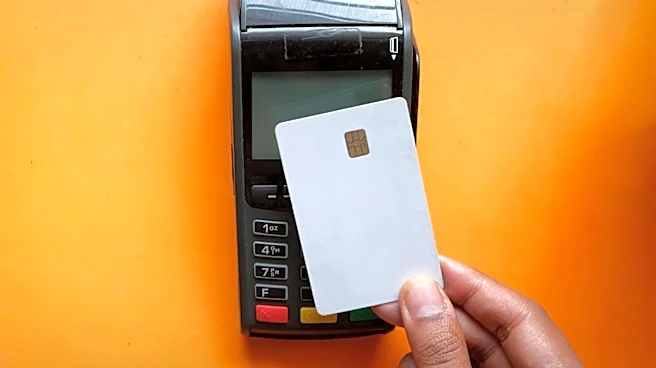
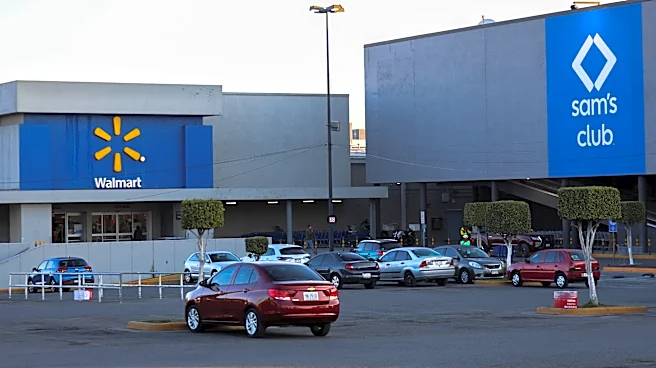
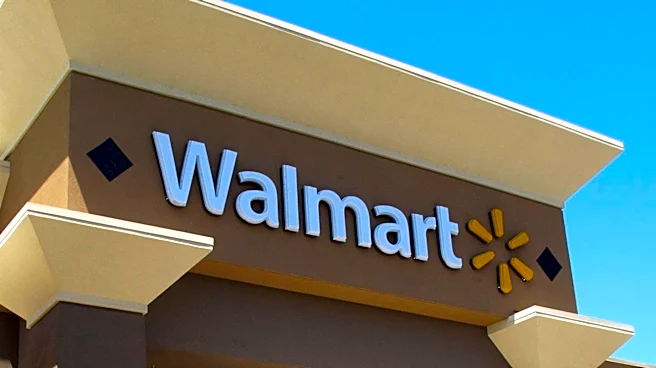
Walmart is set to introduce its Tap to Pay contactless payment option at select Walmart and Sam’s Club locations beginning August 24. This new payment method will allow customers to use eligible cards, smartphones, and smartwatches for transactions at checkout
terminals. The company plans to expand this feature across all its U.S. stores and clubs by the end of 2026. While the initial rollout on August 24 will be in select stores, specific locations have not yet been announced. For shoppers in Alabama, the availability of Tap to Pay will vary by store during this phased implementation. This initiative is part of Walmart's broader strategy to offer customers more diverse payment options, moving beyond requiring them to use a specific payment method. Additionally, Walmart intends to extend Tap to Pay functionality to its fuel stations by mid-2027. Currently, Walmart accepts various payment methods, including cash, traditional credit and debit cards, and Walmart Pay through its mobile app, which also provides access to purchase information and digital receipts. Sam’s Club members have an extra option with Scan & Go, enabling them to scan merchandise and complete payments within the app.
Why It's Important?
The introduction of Tap to Pay by Walmart signifies a significant shift in the retail giant's payment strategy, aligning it more closely with modern consumer preferences for contactless transactions. This move is particularly important for customers who already utilize contactless payment systems like Apple Pay at other retailers, as it will make their checkout experience at Walmart more familiar and convenient. For the broader retail industry, Walmart's adoption of this technology could accelerate the widespread acceptance and integration of contactless payments, potentially setting a new standard for convenience and efficiency in brick-and-mortar stores. This change could also impact payment processing companies and technology providers, as increased demand for contactless infrastructure may arise. Furthermore, by offering more payment flexibility, Walmart aims to enhance customer satisfaction and streamline the shopping experience, which could lead to increased foot traffic and sales. The expansion to fuel stations by mid-2027 indicates a comprehensive approach to integrating this technology across various customer touchpoints, reinforcing Walmart's commitment to technological advancement in retail.
What's Next?
Starting August 24, Walmart will begin rolling out Tap to Pay at select stores and Sam’s Club locations, with a full U.S. expansion anticipated by the end of 2026. Customers, particularly those in Alabama, should monitor local store announcements for specific availability. The company's plan to integrate Tap to Pay at its fuel stations by mid-2027 suggests a continuous effort to enhance convenience across its services. This phased implementation will likely involve ongoing technical adjustments and customer feedback integration to ensure a smooth transition. Competitors in the retail sector will be closely observing Walmart's rollout, potentially influencing their own strategies regarding contactless payment adoption. The success of this initiative could also lead to further innovations in payment technology within Walmart, such as expanded digital wallet integrations or personalized payment experiences. As the technology becomes more prevalent, consumers can expect a more seamless and efficient shopping experience at Walmart and potentially other retailers following suit.
Beyond the Headlines
Walmart's embrace of contactless payment technology extends beyond mere convenience; it reflects a deeper trend in consumer behavior and retail innovation. The move could subtly influence financial inclusion by making digital payment methods more accessible to a broader demographic, potentially reducing reliance on cash. From a data security perspective, contactless payments often offer enhanced encryption and tokenization compared to traditional card swipes, which could lead to a reduction in payment fraud. This shift also highlights the ongoing digital transformation of physical retail spaces, where technology is increasingly used to bridge the gap between online and in-store experiences. The long-term implications could include a more integrated retail ecosystem where payment data can be leveraged for personalized marketing and loyalty programs, further blurring the lines between shopping, banking, and digital services. This evolution could also prompt discussions around consumer privacy and data usage in an increasingly digitized transaction environment.