





What's Happening?
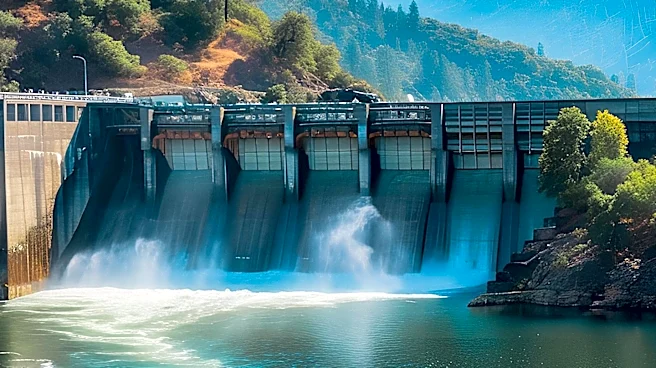
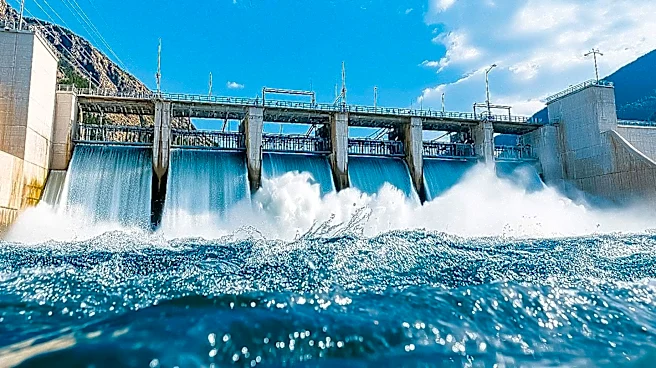
The Canadian hydropower sector is experiencing significant development, marked by planned upgrades to the Churchill Falls generating station and a new Definitive Cooperation and Implementation Agreement. According to WaterPower Canada, Canada added 740MW
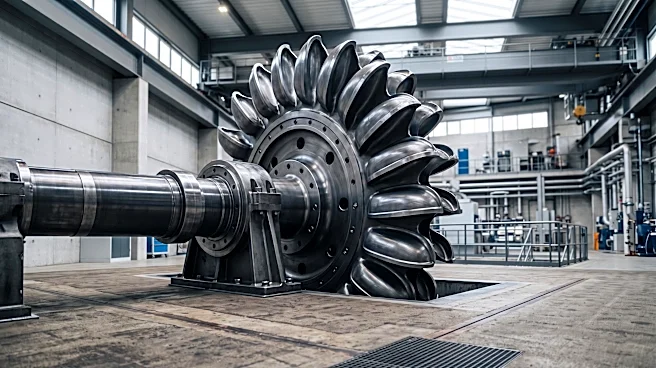
of hydropower capacity in 2025, making it the leading country in North and Central America for new capacity that year. The Churchill Falls project, under new long-term power purchase agreements extending to 2077, will see all 11 turbine-generator units upgraded. This is expected to increase the installed capacity by approximately 23.5%, adding about 1275 MW for a total rated capacity of around 6703MW. The project will be managed by a new joint venture, 60% owned by Newfoundland and Labrador Hydro (NLH) and 40% by Hydro-Québec, with Hydro-Québec’s subsidiary, Société d’énergie de la Baie James, leading development and construction. Meaningful Indigenous participation is a core component of this agreement and its long-term success.
Why It's Important?
This development is crucial for Canada's energy future, as hydropower is expected to play a foundational role in meeting rising electricity demand and expanding the grid. The substantial investment, estimated at nearly C$70 billion, positions waterpower at the center of Canada's clean energy infrastructure plans. The emphasis on Indigenous partnerships, as highlighted in the 'Paths Forward: Indigenous Partnership Pathways in Canadian Hydropower' report, signifies a shift towards more inclusive and equitable energy development models. This approach aims to address historical grievances and ensure that Indigenous Nations and communities benefit from and help guide energy projects, fostering long-term economic participation, skills development, and cultural revitalization. Such partnerships are vital for the social license and sustainable operation of large-scale energy projects, setting a precedent for responsible resource development.
What's Next?
The involved parties, Newfoundland and Labrador Hydro, Hydro-Québec, and Churchill Falls (Labrador) Corporation Limited, have until December 31, 2026, to negotiate and implement legally binding agreements for the Churchill Falls upgrades and the new hydroelectric generating station at Gull Island. The final installed capacity for Gull Island, planned for up to 2700MW, will be confirmed following detailed engineering and environmental studies. Additionally, Ontario is exploring the feasibility of two new hydropower sites on the Moose River Basin, Grand Rapids and Nine Mile Rapids, and has launched programs to re-contract existing small and large hydro facilities to ensure their continued operation. These initiatives underscore a sustained effort to expand and modernize Canada's hydropower infrastructure.
Beyond the Headlines
The focus on Indigenous partnerships in Canadian hydropower development reflects a broader societal movement towards reconciliation and equitable resource sharing. This goes beyond mere economic transactions, aiming to integrate Indigenous traditional knowledge and cultural values into environmental stewardship and project design. The example of the Saunders Hydro Dam Visitor Centre garden, developed in partnership with the Iroquois Sullivan Joint Venture, illustrates how energy projects can become platforms for cultural visibility, education, and community engagement. This holistic approach to development, prioritizing long-term relationships and shared benefits, could serve as a model for other large-scale infrastructure projects globally, particularly those impacting Indigenous territories.