



What's Happening?
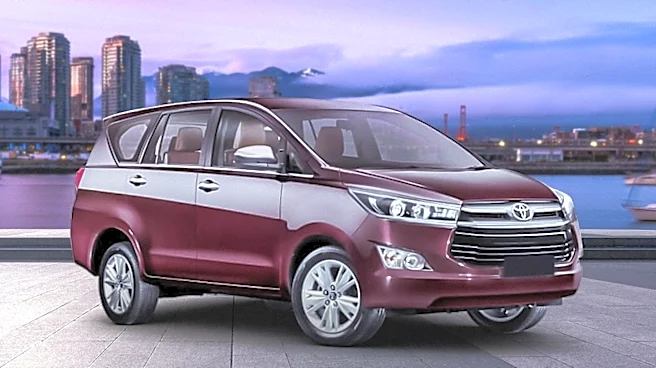
Minivans are experiencing a significant resurgence in the U.S. market, with sales jumping 21% last year, substantially outperforming the overall auto market's 2% growth, according to Yahoo Finance. This comeback is largely driven by record-high vehicle
prices, prompting families to seek more affordable and practical alternatives to SUVs. Chris Heck, head coach at Jeff Wyler Superior Honda in Cincinnati, noted a 30% increase in Honda Odyssey sales over the past two years, attributing this rise primarily to the vehicle's price point and fuel economy. Modern minivans are also shedding their outdated reputation for sluggish handling, now offering a lower center of gravity and a car-like driving experience. Features such as power sliding doors on both sides make them more accessible for seniors, children, and pets.
Why It's Important?
The renewed popularity of minivans signifies a notable shift in consumer preferences within the U.S. automotive industry. For years, SUVs dominated sales, but economic pressures like high vehicle prices and fuel costs are compelling families to re-evaluate their purchasing decisions. This trend impacts automakers, who may need to adjust production and marketing strategies to meet the growing demand for minivans. Consumers stand to gain from more affordable options, better fuel efficiency, and increased cargo space, as minivans often start around $40,000 compared to the average large SUV's price of over $67,000. The flexibility of minivan interiors, with features like fold-flat third rows and reconfigurable middle rows, also offers practical advantages for families, providing up to 50% more cargo space than some large SUVs.
What's Next?
The continued surge in minivan sales could lead to increased investment from automotive manufacturers in developing new minivan models or enhancing existing ones with advanced features and improved fuel efficiency. This trend might also influence pricing strategies across the automotive market, potentially putting pressure on SUV prices as competition from minivans intensifies. Dealerships are likely to highlight the practical benefits and cost-effectiveness of minivans more prominently in their sales pitches. Consumers can anticipate a broader selection of minivans with updated designs, technology, and safety features, catering to the evolving needs of families looking for value, space, and efficiency in their next vehicle purchase. The market will likely see more families, like Jess Laird's, converting to minivans for their travel and daily needs.
Beyond the Headlines
The comeback of minivans reflects a deeper societal shift towards practicality and value, potentially signaling a broader economic consciousness among U.S. consumers. Beyond the immediate financial benefits, the design evolution of minivans, offering improved handling and accessibility, challenges long-held perceptions and stigmas associated with these vehicles. This shift could influence urban planning and family lifestyle choices, as more families opt for vehicles that prioritize utility and comfort over perceived status. The emphasis on fuel economy and cargo space also aligns with growing environmental awareness and the need for versatile vehicles that can adapt to various family activities, from road trips to daily errands. This trend suggests a re-evaluation of what constitutes an ideal family vehicle in the modern American landscape.