





What's Happening?
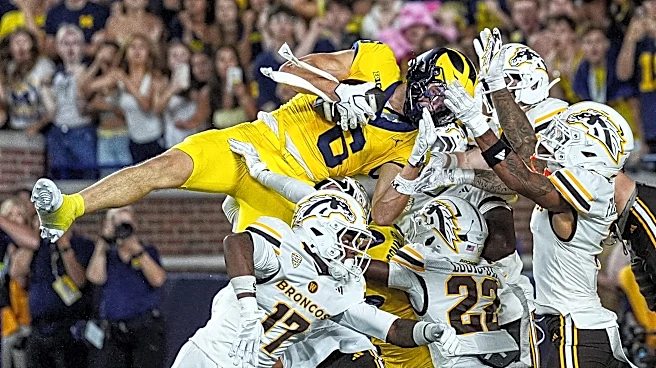
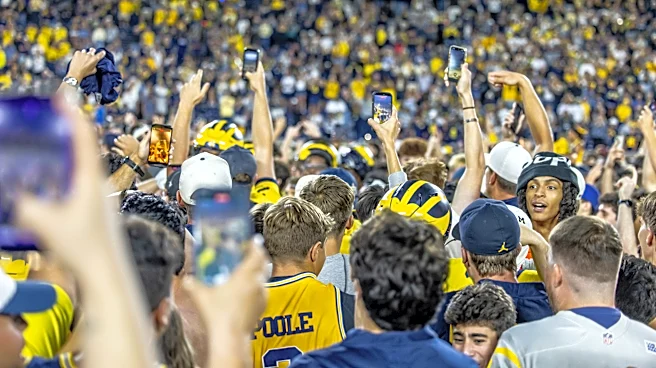
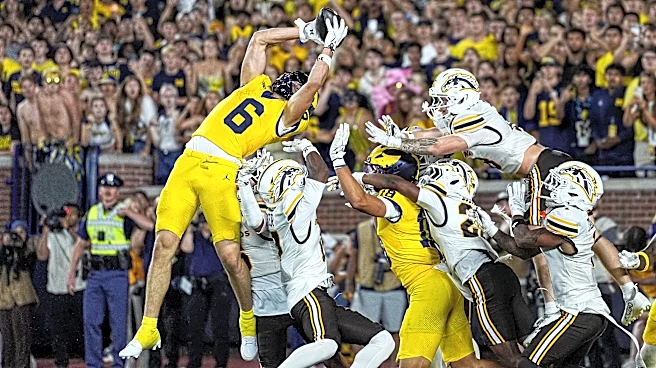
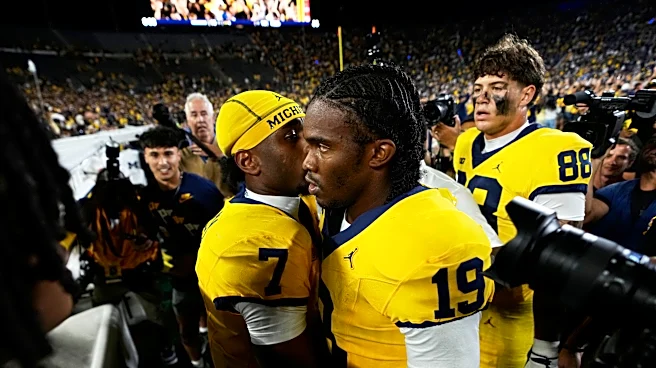
The Big Ten conference has issued a statement defending the controversial decision that allowed Michigan to secure a 13-12 victory over Western Michigan with a last-second Hail Mary pass. The game appeared to be a 12-7 win for Western Michigan, but officials
added one second back to the clock, leading to Michigan's game-winning touchdown. According to the Big Ten, a video review determined that Western Michigan's #18, while jumping from an out-of-bounds position, made contact with the ball with one second remaining on the clock. This contact, with the player being out of bounds, stopped the clock. The conference cited NCAA football rule 4-2-3-a, which states that a ball not in player control is out of bounds when it touches an out-of-bounds player. The Big Ten provided video and audio evidence of the replay process to the Mid-American Conference (MAC) for clarification, and MAC commissioner Jon Steinbrecher confirmed that the explanation was consistent with their review.
Why It's Important?
This decision by the Big Ten is significant for several reasons within college football. Firstly, it reinforces the authority and interpretation of NCAA rules by conference officials, even in highly contentious situations. The detailed explanation and the subsequent confirmation by the MAC commissioner aim to quell widespread 'conspiracy and cheating beliefs' that arose after the game. This transparency, including the syncing of broadcast cameras for replay, is crucial for maintaining the integrity of the sport and public trust in officiating. For Michigan, the ruling validates a dramatic victory, potentially boosting team morale and their season trajectory. Conversely, for Western Michigan, while the outcome remains unchanged, the explanation provides a definitive reason for the loss, which could impact how the team and its fans process the defeat. The incident also highlights the critical role of precise clock management and replay technology in modern sports.
What's Next?
Following the Big Ten's explanation and the MAC's acceptance of the ruling, the immediate focus will shift back to the ongoing college football season. While the decision is unlikely to be overturned, the incident may prompt further discussions within the NCAA regarding the clarity and application of specific rules, particularly those pertaining to clock stoppages and out-of-bounds plays in critical game situations. Coaches and teams across the league will likely review their own strategies for end-of-game scenarios, paying closer attention to the nuances of rules like 4-2-3-a. The collaborative effort between the Big Ten and MAC in reviewing the play could also set a precedent for inter-conference communication and dispute resolution in future controversial calls, fostering greater consistency in officiating across different conferences.
Beyond the Headlines
The controversy surrounding Michigan's Hail Mary victory extends beyond the immediate game outcome, touching upon the broader psychological and cultural aspects of sports. The initial public outcry and accusations of 'cheating' underscore the passionate, often emotional, connection fans have with their teams and the perceived fairness of competition. The Big Ten's detailed explanation, including technical aspects like camera syncing, attempts to demystify the officiating process and combat misinformation. This incident also highlights the increasing reliance on advanced technology in sports, where split-second decisions are scrutinized with high-definition replays. The acceptance of the ruling by the MAC, despite the loss for one of its teams, demonstrates a commitment to inter-conference cooperation and adherence to established rules, which is vital for the long-term health and credibility of college athletics.