






What's Happening?
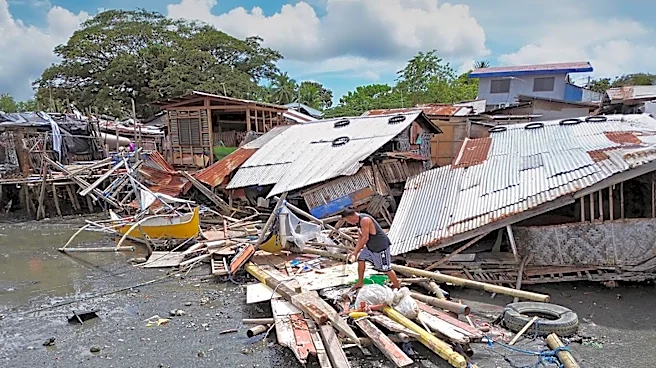
Indonesia's Trade Ministry has launched a relief program for 2026 aimed at restoring 56 markets that were damaged by various disasters across 15 cities and districts. This initiative includes four cities within Central Aceh District, Aceh Province. According
to Iqbal S. Shofwan, Director General of Domestic Trade at the Ministry, the program is a collaborative effort with regional governments designed to bolster economic recovery in communities affected by these disasters. Shofwan emphasized that the impact of these events extends beyond physical damage, creating significant economic challenges for traders. The ministry is prioritizing assistance for markets with minor damage, while also indicating that support for moderately and severely damaged markets may follow in subsequent phases. Regional governments have been urged to closely monitor the program's implementation to ensure its completion by December 31, 2026. Central Aceh District Head Haili Yoga expressed gratitude for the Rp2.6 billion (approximately US$145,000) allocated to revitalize four markets in his district, highlighting its importance for local economic recovery.
Why It's Important?
This market restoration program is crucial for the economic stability and recovery of disaster-affected regions in Indonesia. Markets serve as vital hubs for local commerce, and their destruction can severely disrupt supply chains, livelihoods, and the overall economic fabric of communities. By focusing on revitalizing these trading centers, the Indonesian government aims to quickly re-establish economic activity, providing traders with the infrastructure needed to resume their businesses. This directly benefits small and medium-sized enterprises (SMEs) and local populations who rely on these markets for goods and income. The collaborative approach between the Trade Ministry and regional governments is essential for effective implementation, ensuring that aid reaches those most in need and that restoration efforts are tailored to local contexts. The program also signals the government's commitment to long-term recovery and resilience building in disaster-prone areas, mitigating the prolonged economic hardship that often follows such events.
What's Next?
The immediate next step is the diligent implementation and monitoring of the market restoration program by regional governments, as urged by the Trade Ministry, to ensure all 56 targeted markets are revitalized by the December 31, 2026 deadline. Local administrations are expected to take necessary measures to expedite recovery efforts, particularly for markets with minor damage. Following this initial phase, the central government may extend the initiative to include markets that sustained moderate and severe damage, indicating potential future phases of the program. This would require further assessments and allocation of resources. Additionally, the success of this program could influence future disaster recovery strategies, potentially leading to more comprehensive and proactive measures for economic resilience in disaster-prone areas across Indonesia. Continued collaboration between national and regional authorities will be key to sustaining these recovery efforts and adapting to future challenges.