




What's Happening?
In Central and South Texas, Modern Hill Country Style is evolving as a new architectural trend, moving beyond the previously dominant modern farmhouse aesthetic. This style emphasizes deeper character, sustainable performance, and architectural authenticity,
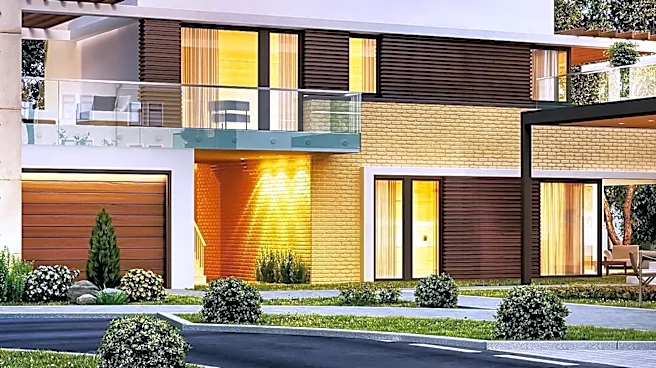
rooted in regional terrain, natural materials, and climate-smart engineering. Key features include the use of local Sisterdale limestone with textured finishes, warm earth tones replacing stark whites, and natural cedar and native steel accents. Homes are designed with climate in mind, featuring deep roof overhangs, low-pitch standing-seam metal roofs, passive cooling, breezeways, and strategic thermal glass to combat Texas heat. Floor plans are shifting from open-concept to 'zoned openness,' incorporating social kitchens, secondary sculleries, and integrated work/flex spaces. True indoor-outdoor integration is achieved through pocketing glass wall systems, year-round outdoor living areas, and biophilic/native landscaping.
Why It's Important?
This architectural evolution in Texas signifies a critical shift towards regionally appropriate and sustainable home design in the U.S. housing market. By prioritizing climate-first exteriors and material authenticity, Modern Hill Country Style addresses the specific environmental challenges of the region, such as intense heat and UV exposure. This approach can lead to more energy-efficient homes, reducing long-term costs for homeowners and lessening environmental impact. The move towards 'zoned openness' and dedicated flex spaces reflects changing lifestyle needs, particularly the rise of remote work and the desire for more functional, adaptable living environments. This trend also highlights a growing consumer demand for homes that are not only aesthetically pleasing but also deeply connected to their local environment and built for longevity.
What's Next?
The Modern Hill Country Style is expected to continue gaining traction in Texas and potentially influence architectural trends in other regions with similar climatic and environmental considerations. Builders and developers in Central and South Texas will likely adopt these principles, further integrating sustainable practices and regional materials into their projects. This could lead to an increased demand for local materials and specialized construction techniques. Homebuyers in the region will increasingly encounter homes designed with these features, setting new expectations for comfort, efficiency, and aesthetic integration with the landscape. The success of this style may also inspire similar regional architectural movements across the U.S., tailored to their specific local conditions.
Beyond the Headlines
The emergence of Modern Hill Country Style reflects a deeper cultural movement towards a more thoughtful and responsible approach to building and living. It challenges the 'one-size-fits-all' approach of previous trends like the modern farmhouse, advocating for designs that are intrinsically linked to their geographical and ecological context. This shift has ethical implications, promoting the use of local resources and minimizing the environmental footprint of construction. It also fosters a stronger sense of place and regional identity, moving away from generic aesthetics towards homes that tell a story of their location. This architectural evolution suggests a growing consciousness among homeowners and builders about the impact of their choices on both the environment and the cultural landscape.