
What's Happening?
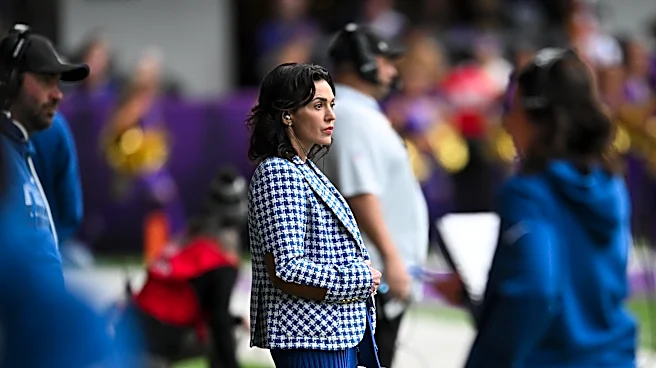
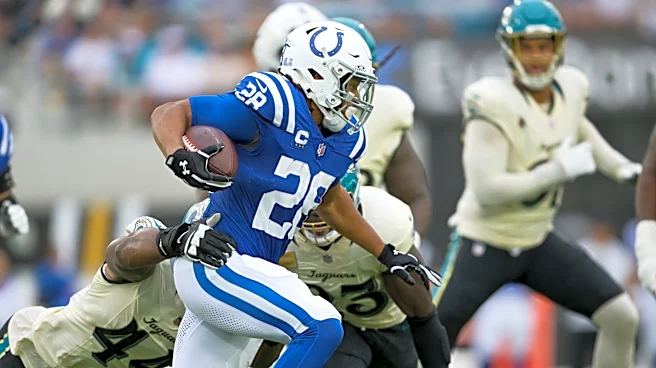
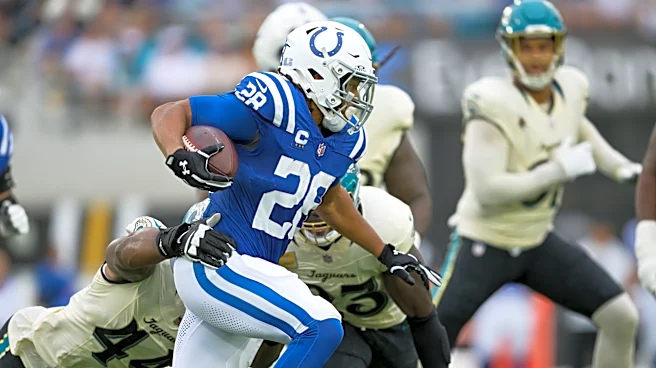
Former NFL defensive tackle Breiden Fehoko has publicly criticized Indianapolis Colts owner Carlie Irsay-Gordon for her decision not to trade star running back Jonathan Taylor before the November 10 deadline.
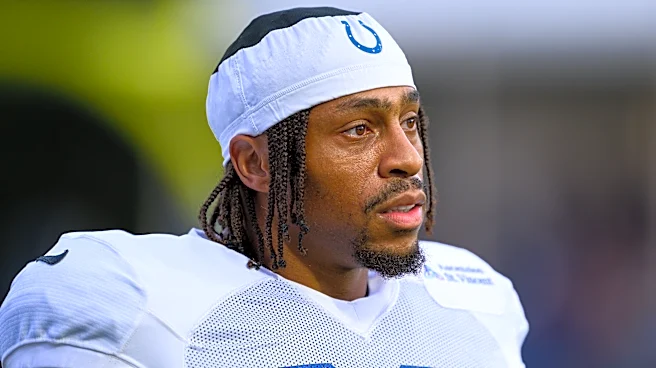
Fehoko expressed his frustration on social media platform X, stating that the situation was "disgusting" and that Irsay-Gordon was being a "poor excuse of an owner" for not accepting trade offers. This criticism comes despite reports that multiple teams offered a second-round pick and additional compensation for Taylor. The Colts had recently made significant roster changes, trading Quenton Nelson, DeForest Buckner, Keenan Allen, and Josh Downs, leading many to expect Taylor would also be moved. Taylor's playing time had seen a decline in recent weeks, with snap shares of 62% against Jacksonville and 69% against Dallas. However, Taylor himself stated that he never requested a trade from Indianapolis and that the situation was largely out of his control. The Colts' decision to retain Taylor has drawn scrutiny, particularly given the team's 2-7 start to the season and the recent firing of general manager Chris Ballard.
Why It's Important?
This situation highlights the complex dynamics between team ownership, player contracts, and fan expectations in professional sports. Carlie Irsay-Gordon, as the principal owner and CEO, faces public scrutiny for her strategic decisions, especially in a league where player trades and roster management are critical for team performance and future prospects. The criticism from a former player like Breiden Fehoko can influence public perception of the team's leadership and potentially impact fan morale. The decision to keep Jonathan Taylor, an All-Pro running back, despite significant trade offers, suggests a belief in his long-term value to the franchise, or a high valuation that was not met by other teams. This could be a gamble, as Taylor's trade value might decrease if the team continues to struggle or if his performance declines. Conversely, if Taylor performs well and the team improves, Irsay-Gordon's decision could be vindicated. The ongoing debate also underscores the financial implications of player contracts and trade values in the NFL, where star players represent substantial investments and potential assets.
What's Next?
The immediate focus for the Indianapolis Colts will be on their remaining eight games of the season, as they aim to improve upon their 2-7 record. The team's performance in these games will likely influence the perception of Carlie Irsay-Gordon's decision to retain Jonathan Taylor. The future of Taylor with the Colts will remain a significant point of discussion, especially as the team approaches the next offseason. The newly vacant general manager position will also be crucial, as the incoming GM will inherit the current roster and will need to make key decisions regarding player contracts, including Taylor's. The team's strategy for rebuilding, whether through the draft or free agency, will be closely watched. The public and media will continue to monitor Irsay-Gordon's leadership and the team's direction, particularly given the recent roster changes and the ongoing criticism.
Beyond the Headlines
The controversy surrounding Jonathan Taylor's non-trade extends beyond typical sports management, touching on themes of player agency versus team control, and the evolving role of social media in sports commentary. Breiden Fehoko's direct and strong criticism on X exemplifies how former players and analysts can leverage digital platforms to hold team ownership accountable, bypassing traditional media filters. This incident also reflects a broader trend in professional sports where team owners, once largely shielded from direct public criticism, are now more exposed due to increased transparency and fan engagement. The decision to retain a high-value player like Taylor, despite a struggling team and attractive trade offers, could be interpreted as a commitment to building around existing talent, or as a miscalculation of market value. This situation could set a precedent for how future trade negotiations are handled, particularly for star players on teams undergoing significant transitions.