



What's Happening?
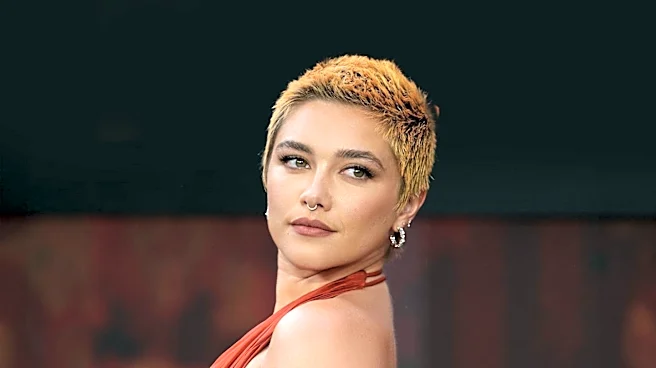
Actress Florence Pugh is the cover star for Vanity Fair's October 2026 issue, photographed by Nadine Ijewere. For the commanding portrait, Pugh wears a headpiece sourced from the National Theatre archives, which was previously used in the 2023 production
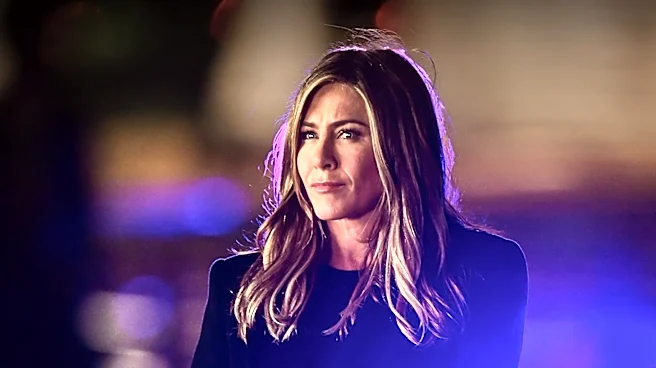
of "The Odyssey: Underworld." This cover continues the momentum of Vanity Fair under the leadership of Mark Guiducci, who took over as editor in 2025. Guiducci's tenure has featured a range of prominent figures on the magazine's cover, including Jennifer Aniston, Kylie Jenner, and Mbappé. The styling for Pugh's shoot was handled by Nathan Klein. The cover has received mixed reactions from theFashionSpot's forum members, with some praising the cover design and Guiducci's direction for the magazine, while others expressed a preference for more traditional Old Hollywood glamour or noted their general reservations about Pugh's editorial work.
Why It's Important?
This cover feature is significant for several reasons within the entertainment and fashion industries. For Florence Pugh, it solidifies her status as a prominent figure in Hollywood, granting her visibility on a major fashion and culture publication. For Vanity Fair, it represents a continuation of its editorial strategy under Mark Guiducci, aiming to maintain relevance and appeal to a broad audience by featuring contemporary stars and unique artistic concepts, such as the use of a theatrical archive piece. The mixed audience reactions highlight the ongoing debate within fashion media about balancing modern aesthetics with traditional glamour, reflecting diverse consumer preferences. The choice of a theatrical prop also subtly connects high fashion with performance art, potentially influencing trends in editorial styling and celebrity portrayal.
What's Next?
Following the release of the October 2026 issue, attention will likely turn to Florence Pugh's upcoming projects and further editorial appearances, as high-profile magazine covers often precede or coincide with new film releases or significant career developments. For Vanity Fair, the reception of this issue will contribute to the ongoing assessment of Mark Guiducci's editorial direction, influencing future cover choices and content strategies. The discussion among fashion critics and the public regarding the cover's artistic merit and Pugh's portrayal may also shape future trends in celebrity styling and magazine aesthetics. The use of unique, non-traditional elements like the National Theatre headpiece could inspire other publications to explore more avant-garde or historically rich styling choices.
Beyond the Headlines
Beyond its immediate impact, this Vanity Fair cover touches upon broader themes in celebrity culture and media representation. The use of a theatrical prop from a specific production like "The Odyssey: Underworld" subtly elevates the cover beyond mere fashion, hinting at a deeper narrative or artistic intention. This could signify a trend towards more conceptual and less overtly commercial celebrity covers, encouraging a dialogue between fashion, art, and performance. The divided audience reactions also underscore the evolving nature of celebrity appeal and the constant tension between innovation and tradition in media. It reflects how audiences engage with public figures, often holding strong opinions on their public image and artistic choices, which can influence how celebrities are presented and perceived in the long term.