



What's Happening?
Consumer products, home decor, and electronics in the U.S. are increasingly adopting colors inspired by popular foods and beverages, such as matcha green, ube purple, and butter yellow. This trend is driven by the ability of food-related colors to evoke
flavors, textures, and nostalgic memories, enhancing product appeal beyond mere aesthetics. Companies like Amazon have released Kindle e-readers in 'Ube' and 'Fig' colors, with a matcha-colored Kindle becoming its bestselling non-neutral option. SharkNinja has expanded its food-themed color offerings to 30 in its U.S. ranges, including air fryers in Butter Yellow and Ginger Snap. This phenomenon is also reflected in online search trends, with Pinterest reporting a 1,200% increase in searches for butter yellow bedroom ideas and a 500% increase for matcha-colored clothing between September 2025 and September 2026. Experts attribute this trend partly to the COVID-19 pandemic, which led to more home cooking and increased food content on social media platforms like Instagram and TikTok, further integrating food culture into daily lifestyles.
Why It's Important?
This shift in color trends signifies a deeper convergence of food culture with broader consumer lifestyle categories in the U.S. It highlights how sensory experiences and emotional connections associated with food are being leveraged by brands to create more 'human' and relatable products. For industries like electronics, home goods, and fashion, adopting these food-inspired palettes can differentiate products in a crowded market and tap into consumers' desires for comfort, nostalgia, and expressive individuality. The increased search volumes on platforms like eBay and Pinterest indicate a strong consumer appetite for these specific hues, suggesting that businesses that align with these trends may see increased engagement and sales. This trend also reflects a broader cultural movement where aesthetics are heavily influenced by digital content and shared experiences, making food a powerful, universally understood language for design.
What's Next?
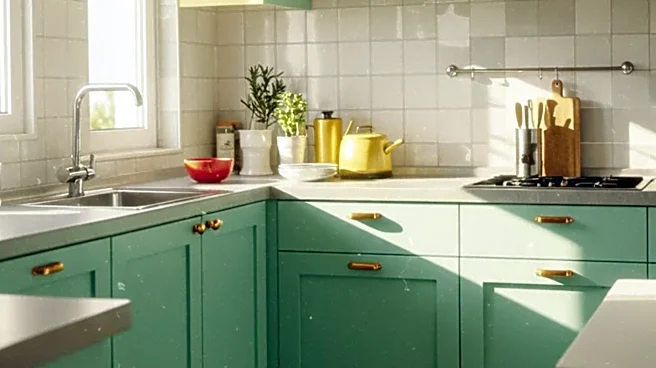
The trend of food-inspired colors is expected to continue evolving, with consumer trend forecasters like WGSN closely monitoring food-related palettes to predict future directions in fashion and interior design. Product designers will likely explore new food and drink inspirations, moving beyond current popular choices to discover emerging culinary trends that can translate into appealing colorways. Retailers and manufacturers may further integrate these themes into their marketing strategies, creating curated collections and product lines that emphasize the sensory and emotional connections to food. However, interior designers advise moderation, suggesting that consumers use these vivid or exotic colors as accents rather than committing to them in large-scale, permanent fixtures, as trends can become obsolete within a few years. This suggests a future where adaptability and thoughtful integration of these colors will be key for both consumers and brands.
Beyond the Headlines
Beyond the immediate aesthetic appeal, the rise of food-inspired colors reflects a deeper cultural yearning for comfort, authenticity, and connection in a rapidly digitizing world. The pandemic amplified the role of home and personal spaces, making consumers more attuned to creating environments that feel nurturing and expressive. Food, being a fundamental aspect of human experience, offers a rich lexicon of colors that evoke warmth, health, and pleasure. This trend also subtly blurs the lines between different sensory experiences, suggesting that visual design is increasingly influenced by taste and smell. It highlights how brands are moving towards a more holistic approach to product development, where emotional resonance and lifestyle integration are as crucial as functionality. This could lead to more cross-industry collaborations and innovations that blend culinary arts with design, further enriching the consumer experience.