






What's Happening?
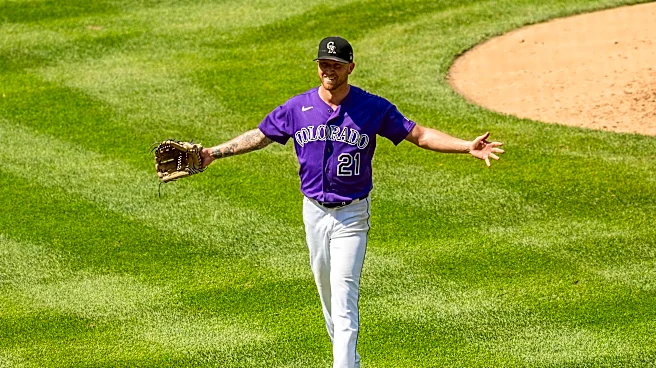
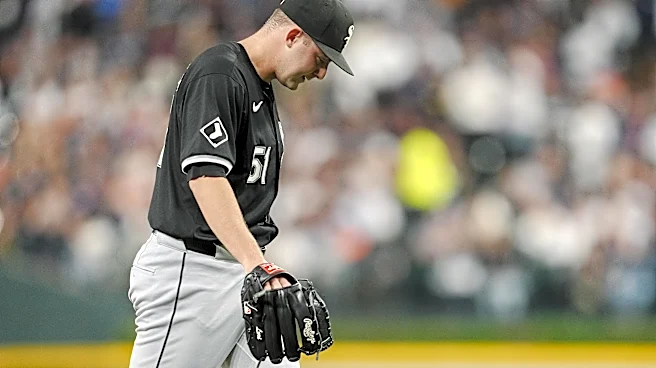
On November 19, the Chicago White Sox traded veteran starting pitchers Luis Castillo and Davis Martin to the Colorado Rockies. In return, the White Sox acquired left-handed pitching prospect Sean Sullivan and 17-year-old catcher Doug Veliz. This transaction
is primarily viewed as a salary-dumping move for the White Sox, particularly concerning Luis Castillo. Castillo, entering his age-34 season, had a challenging 2026, finishing with a 5.85 ERA over 130 2/3 innings. He is owed $22.75 million in 2027, with a vesting option for 2028, making him the most expensive player on the White Sox payroll. Davis Martin, who had a career-best season in 2026 with a 3.95 ERA over 146 innings, is not yet arbitration-eligible. The prospects acquired by the White Sox include Sean Sullivan, who was Colorado's No. 10 prospect in 2025 but struggled in his five major league starts in 2026 with an 8.87 ERA, and Doug Veliz, a very young catcher with limited professional experience in the Dominican Summer League.
Why It's Important?
This trade signifies a strategic shift for the Chicago White Sox, indicating a move towards shedding high salaries and potentially rebuilding with younger talent. By offloading Luis Castillo's significant contract, the White Sox gain financial flexibility, which could be used to pursue other players in the future or reduce overall payroll. For the Colorado Rockies, acquiring two established starting pitchers like Castillo and Martin could bolster their rotation, especially given Castillo's previous track record of durability and productivity before 2026. The Rockies have historically shown a willingness to take on aging veteran pitchers, suggesting they believe Castillo can rebound. The White Sox's decision to trade Martin, a team-controlled starter with average career numbers, suggests a commitment to developing prospects like Sullivan, who is considered a 'crafty' lefty with good deception and strike-zone control, despite his soft-tossing style. This move could impact the competitive landscape of both teams in the upcoming seasons.
What's Next?
For the Chicago White Sox, the immediate next step will likely involve assessing their remaining pitching staff and potentially exploring further moves to reshape their roster. The financial flexibility gained from shedding Castillo's salary could allow them to target different types of players in free agency or through other trades. The development of Sean Sullivan and Doug Veliz will be closely watched, with Sullivan potentially competing for a rotation spot and Veliz continuing his development in the lower minor leagues. For the Colorado Rockies, integrating Castillo and Martin into their pitching rotation will be a priority. They will be hoping Castillo can regain his form and provide a veteran presence, while Martin could offer a reliable mid-rotation option. The performance of these newly acquired pitchers will be crucial for the Rockies' competitiveness in the upcoming season. The trade also sets the stage for potential further roster adjustments by both clubs as the offseason progresses.
Beyond the Headlines
This trade highlights a common strategy in professional sports: balancing immediate competitiveness with long-term financial health and prospect development. The White Sox's decision to prioritize shedding a large contract, even if it means trading a productive pitcher like Martin, underscores the financial realities and strategic choices faced by MLB teams. It also reflects a growing trend where teams are willing to take on 'reclamation projects' like Castillo, hoping a change of scenery or coaching can unlock past performance. The acquisition of prospects like Sullivan, who relies on deception rather than velocity, also points to evolving scouting and player development philosophies in baseball, where unique skill sets are valued. The success or failure of this trade for both teams will not only be measured by player performance but also by how effectively each organization manages its payroll and develops its young talent in the coming years, potentially influencing future trade strategies across the league.