


What's Happening?
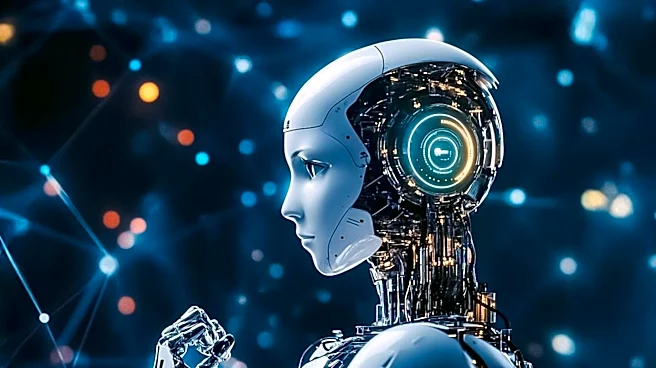
The entertainment industry is experiencing a significant shift with the emergence of AI-generated content, particularly in short dramatic series. Companies like Shortical are now licensing the facial features of real actors to create digital versions
that perform roles without the actors physically being on set. Shortical, founded in January, produces short, melodramatic love stories, often relying on subscriptions for revenue. While initially featuring real actors, the company has increasingly shifted to AI-produced content due to lower production costs and higher profit potential. Actor Aki Avni recently participated in Shortical's latest series, 'Inevitable,' where his face was licensed to create an AI-based digital character. This project marks Shortical's first direct agreement with an actor for face licensing, aiming to increase interest in this new model. The company is also promoting a 'License Your Face' initiative on its website, inviting individuals to submit their social media accounts for potential contracts.
Why It's Important?
This development holds significant implications for the U.S. entertainment industry, particularly for actors and production companies. The ability to license actors' faces for AI-generated content could drastically reduce production costs, potentially leading to a decrease in demand for human actors and traditional film crews. This shift could transform the industry into a 'gig economy' model, where actors are compensated for licensing their likeness rather than for their physical presence and performance. While some, like Aki Avni, view this as a new artistic frontier, others, such as Jennifer Cooper, a consultant in the short drama industry, express concern about job displacement and a climate of distrust towards AI. The financial compensation model for licensed faces is also a point of contention, with questions arising about whether actors will receive ongoing royalties or one-time payments. This trend could reshape intellectual property rights, financial compensation structures, and the overall job market within Hollywood, potentially benefiting companies seeking cost reduction while posing challenges for actors and creative professionals.
What's Next?
The practice of licensing facial features for AI-generated content is expected to expand, with companies like Shortical actively seeking individuals willing to license their likeness. The success of projects like 'Inevitable' could encourage more actors to explore this new revenue stream, despite the mixed feelings and uncertainties surrounding it. The entertainment industry will likely continue to grapple with ethical and legal questions regarding consent, ownership, and fair compensation for the use of digital likenesses. Regulatory bodies and unions, such as the Hollywood actors union, which secured a contract in 2023 requiring clear consent for repurposing a performer’s work with AI, will play a crucial role in shaping the future of these agreements. The long-term impact on the traditional acting profession and the broader creative economy remains to be seen, as the industry navigates the balance between technological innovation and the preservation of human artistry and employment.
Beyond the Headlines
The rise of AI in Hollywood extends beyond mere cost-cutting; it touches upon fundamental questions of artistic integrity, human identity, and the future of creative work. The concept of 'selling' one's face to AI raises ethical dilemmas about the commodification of personal identity and the potential for digital replicas to operate independently of the original individual. This could lead to a blurring of lines between reality and artificiality, impacting how audiences perceive performances and authenticity in media. Furthermore, the shift towards AI-generated content could exacerbate existing inequalities within the industry, potentially marginalizing emerging talent who rely on traditional acting opportunities to build their careers. The legal frameworks surrounding intellectual property and digital rights will need to evolve rapidly to address the complexities introduced by AI, ensuring that artists are adequately protected and compensated in this new landscape. The cultural implications of consuming content where the 'actors' are digital constructs also warrant consideration, potentially altering the emotional connection and human element traditionally associated with storytelling.