







What's Happening?
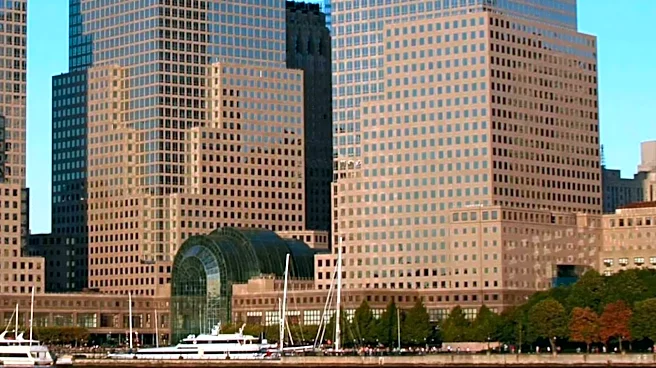
The number of millionaire renter households in the New York City metropolitan area has nearly tripled since 2020, according to an October report from RentCafe. The region now boasts 7,296 millionaire renter households, a 167% increase from 2,730 in 2020.
This figure is almost four times higher than San Francisco, the second-highest market, and surpasses the combined total of the next 10 largest metro markets. While millionaire homeowners also increased by 131% to 33,134 households in NYC, the growth rate of wealthy renters has been faster. This trend indicates a shift where affluent individuals are increasingly choosing renting over homeownership, even when they can afford multi-million dollar properties. The report highlights that many of these millionaire renter households achieve their seven-figure income through combined household earnings rather than a single high earner.
Why It's Important?
This surge in millionaire renters in NYC signifies a notable shift in housing preferences among the affluent, challenging the traditional view of homeownership as the ultimate financial goal. For the U.S. real estate market, particularly in high-cost urban centers, this trend could lead to sustained demand for luxury rental properties, potentially driving up rental prices and influencing development strategies. It suggests that flexibility, turnkey living, and the ability to keep capital liquid for other investments are becoming more attractive to wealthy individuals. This could impact the broader economy by diverting investment from real estate purchases to other sectors, and it may also exacerbate housing affordability issues for lower-income residents as the luxury rental market expands and potentially influences overall rental costs.
What's Next?
The continued growth of millionaire renters is likely to further shape the luxury rental market in New York City and other major U.S. metropolitan areas. Developers may increasingly focus on high-end rental properties, offering amenities and services that cater to this affluent demographic. This trend could also prompt discussions among policymakers regarding urban planning and housing strategies, especially concerning the balance between rental and ownership opportunities. Financial advisors may also need to adapt their recommendations, as the traditional advice of homeownership for wealth building might be re-evaluated for certain high-net-worth individuals who prioritize liquidity and flexibility. The long-term implications for property values and the overall housing market will depend on whether this trend continues to accelerate and if it spreads to other income brackets.
Beyond the Headlines
The rise of millionaire renters points to a deeper cultural and economic shift, particularly among younger generations like Millennials and Gen Z, who are increasingly embracing renting as a long-term lifestyle choice. This challenges the long-held 'American dream' of homeownership, suggesting a re-evaluation of what financial success and stability entail. The ability to avoid the responsibilities and costs associated with home maintenance, coupled with the flexibility to relocate, offers a different kind of freedom. This shift could also reflect changing investment philosophies, where affluent individuals prefer to deploy their capital in more liquid assets or alternative investments rather than tying it up in real estate. This evolving mindset could have profound implications for urban development, personal finance, and the very definition of wealth accumulation in the U.S.