





What's Happening?
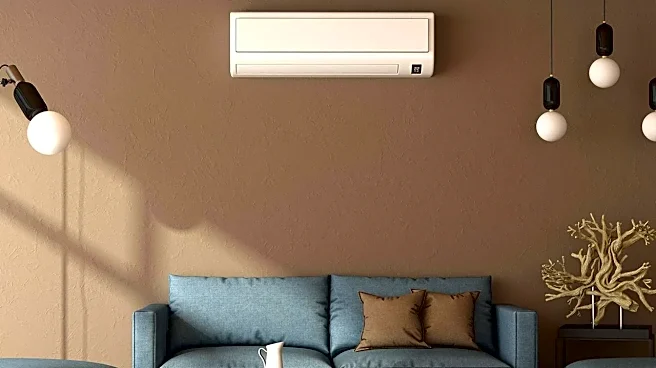
Window heat pumps are gaining attention as a cost-effective alternative to traditional air conditioning systems, particularly for renters and those unable to make major home upgrades. These devices, which can be installed without professional help, offer
both heating and cooling capabilities and are priced between $3,000 and $4,000. Unlike traditional systems, window heat pumps can be moved when relocating, making them an attractive option for renters. However, they are limited in capacity and efficiency, especially in extremely cold climates. Despite these limitations, they represent a significant advancement in accessible and affordable home climate control technology.
Why It's Important?
The introduction of window heat pumps addresses a significant gap in the market for affordable and flexible heating and cooling solutions, particularly for renters and low-income households. As heating and cooling account for a substantial portion of energy consumption in the U.S., these devices could lead to significant energy savings and reduced utility bills for consumers. Additionally, by reducing reliance on fossil fuel-powered systems, window heat pumps contribute to environmental sustainability efforts. This development could also stimulate further innovation and competition in the home climate control market, potentially leading to more efficient and cost-effective solutions.
What's Next?
As window heat pumps become more widely available, it is likely that their adoption will increase, particularly among renters and those seeking cost-effective climate control solutions. This could lead to further advancements in the technology, improving efficiency and capacity. Additionally, as awareness of these devices grows, there may be increased demand for government incentives or subsidies to make them more accessible to a broader audience. The market response to these devices could also prompt traditional HVAC companies to innovate and offer competitive alternatives, further driving down costs and improving energy efficiency.