





What's Happening?
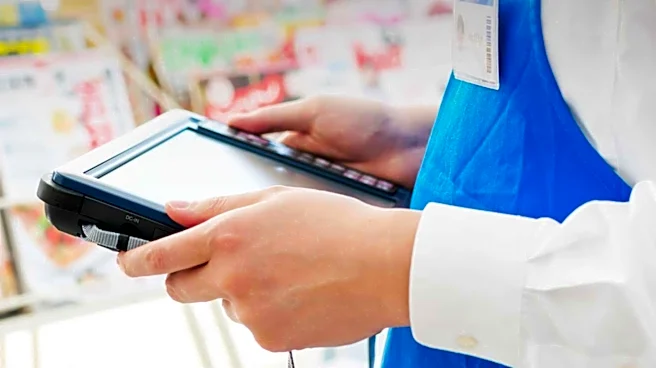
U.S. retailers are increasingly adopting advanced in-store technologies, including AI and automation, to optimize operations and enrich customer interactions. These technologies are being deployed across various aspects of retail, from point-of-sale systems
and inventory management software to computer vision for loss prevention and cashierless checkouts. The goal is to reduce administrative burdens on staff, allowing them to focus more on personalized customer service and creating meaningful experiences. For instance, computer vision systems are used to track inventory, manage queues, and deter theft. Retailers are also leveraging technology to facilitate educational workshops and community-building events, catering to a growing consumer demand for engaging offline experiences. This shift is partly driven by a desire to counteract 'digital fatigue' among consumers, particularly Gen Z and millennials, who are showing increased interest in physical retail and analog hobbies.
Why It's Important?
This technological integration is crucial for the U.S. retail sector as it addresses evolving consumer expectations and operational challenges. By automating routine tasks, retailers can reallocate human resources to high-value activities, fostering stronger customer relationships and potentially increasing sales. The emphasis on creating 'human interactions' and 'experiences worth paying for' through technology helps physical stores differentiate themselves from online competitors. This strategy is particularly vital given that younger consumers, aged 18 to 24, made a significant portion of their general merchandise purchases in physical stores last year, indicating a strong preference for in-person shopping experiences. Furthermore, the use of AI in areas like inventory optimization and supply chain visibility can lead to improved efficiency, reduced waste, and better product availability, directly impacting retailers' profitability and resilience in a competitive market.
What's Next?
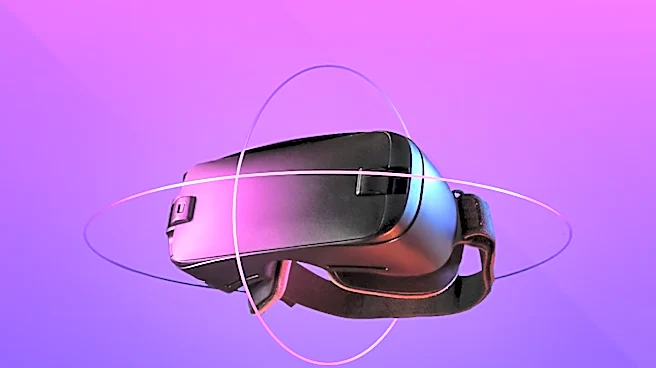
The trend of integrating advanced in-store technologies is expected to continue, with retailers further refining their use of AI and automation to create more responsive and personalized shopping environments. Future developments may include more sophisticated AI agents for customer support, enhanced product recognition systems, and expanded self-service options. Retailers will likely invest more in technologies that support community building and experiential retail, such as interactive displays and virtual reality applications that complement in-store workshops and events. The focus will remain on using technology not to replace human interaction, but to augment it, enabling staff to deliver more impactful and memorable customer experiences. This ongoing evolution will likely lead to a more dynamic and engaging physical retail landscape, where technology seamlessly supports both operational efficiency and customer satisfaction.
Beyond the Headlines
Beyond the immediate operational and customer service benefits, the widespread adoption of these technologies raises deeper implications for the future of retail employment and consumer behavior. The shift towards automating administrative tasks could redefine job roles within retail, requiring employees to develop new skills in customer engagement, technology utilization, and experience curation. There's also an ethical dimension concerning data privacy and the use of computer vision for tracking customer movements and preventing theft. As consumers increasingly seek 'offline' and 'meaningful' experiences, retailers who successfully blend digital efficiency with authentic human connection will likely gain a significant competitive advantage. This trend could also foster a resurgence of local community hubs within retail spaces, where stores become centers for learning, creativity, and social interaction, moving beyond purely transactional models.