
What's Happening?
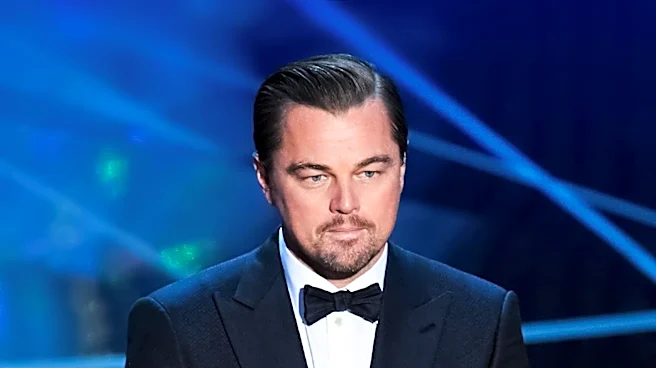
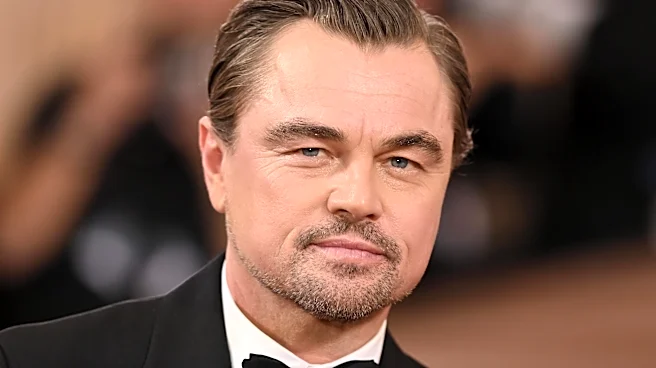
Conservative political commentator Megyn Kelly has drawn criticism for body-shaming Hollywood actor Leonardo DiCaprio during a segment on her show. Kelly displayed images of women attending DiCaprio's
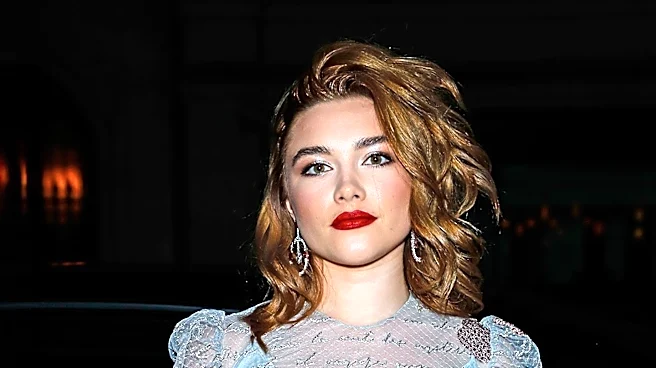
recent 52nd birthday party and older photos of the actor from a beach, subsequently labeling him a 'fat, bloated, disgusting slob.' She further commented, 'If you’re going to be arm candy at Leo’s party, girls, it’s a zero percent body fat situation.' This commentary led to significant backlash on social media platforms, particularly on Instagram where she posted the video. Critics questioned her motivations, with some sarcastically suggesting she was 'mad she’s over 25' or speculating if DiCaprio had rejected her. The birthday celebration, held in Beverly Hills, was attended by numerous celebrities including Casey Affleck, Orlando Bloom, Cara Delevingne, Justin Trudeau, and Travis Barker, as well as DiCaprio's girlfriend, Italian model Vittoria Ceretti. The event also reportedly featured a busload of young women, some of whom allegedly did not recognize the actor, highlighting a generational gap.
Why It's Important?
This incident underscores the ongoing public discourse surrounding body shaming, particularly when directed at public figures, and the role of media personalities in perpetuating such narratives. Megyn Kelly's comments, while delivered on her platform, have ignited a broader conversation about acceptable public commentary on individuals' appearances. The immediate and widespread negative reaction from social media users demonstrates a growing intolerance for body shaming, reflecting evolving societal standards and expectations for media conduct. For public figures like Leonardo DiCaprio, such commentary, regardless of its intent, can contribute to negative perceptions and potentially impact their public image. The backlash also highlights the power of social media as a tool for public accountability, enabling rapid and collective responses to controversial statements made by media personalities. This event serves as a reminder of the scrutiny public figures face and the potential consequences for those who engage in body-shaming rhetoric.
What's Next?
The immediate aftermath of Megyn Kelly's comments will likely involve continued public debate and scrutiny of her remarks. Social media platforms will probably remain a primary arena for this discussion, with users continuing to express their opinions and potentially influencing public perception of Kelly and her show. It remains to be seen if Kelly will issue a public apology or address the backlash directly, which could either mitigate or intensify the controversy. Media watchdogs and advocacy groups focused on body positivity and media ethics may also weigh in, potentially calling for greater responsibility from commentators. This incident could also prompt other media personalities to be more cautious in their public statements regarding physical appearance, especially concerning celebrities. The long-term impact on Kelly's career or viewership is uncertain, but such controversies often lead to re-evaluations of content strategies and public engagement approaches within the media industry.
Beyond the Headlines
Beyond the immediate controversy, this event touches upon deeper cultural issues related to celebrity culture, ageism, and the objectification of women in media. Kelly's 'zero percent body fat' comment, directed at women attending a celebrity party, reflects a persistent societal pressure on women to conform to narrow beauty standards, particularly in proximity to male celebrities. The reported generational gap at DiCaprio's party, where some younger attendees did not recognize him, subtly highlights the transient nature of fame and the continuous emergence of new cultural touchstones. This incident also raises questions about the ethics of using older, potentially unflattering images of individuals to support critical commentary on their current appearance. It underscores the double standards often applied to men and women in the public eye regarding aging and body image, with women frequently facing harsher scrutiny. The public's strong reaction suggests a growing awareness and rejection of these entrenched biases, signaling a potential shift towards more inclusive and respectful media portrayals.