







What's Happening?
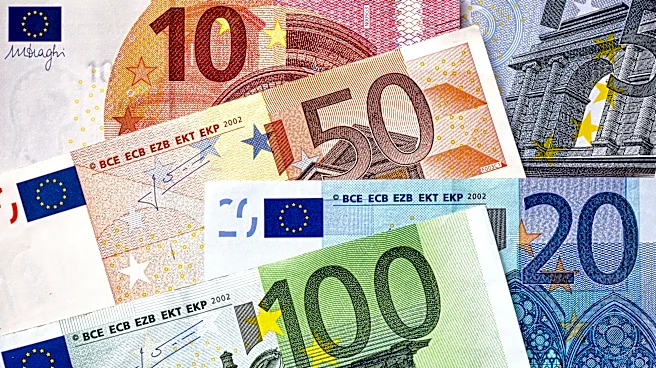
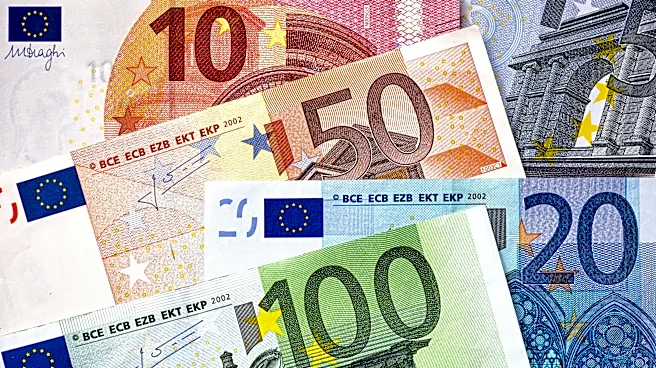
A 2026 study by the European Central Bank (ECB) indicates a significant shift in payment habits across the euro area, with card payments now exceeding cash payments in shops. The 'Study on the payment attitudes of consumers in the euro area (SPACE) –
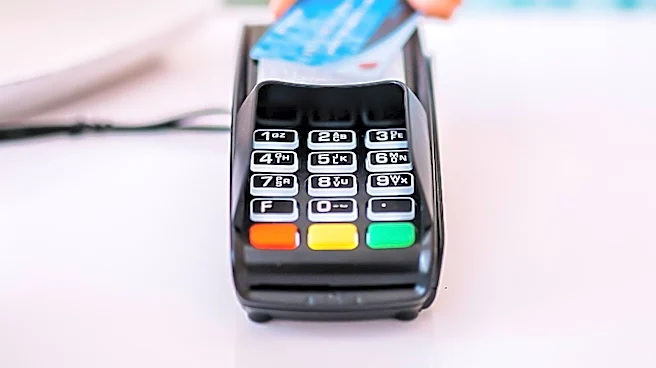
2026' found that 45% of in-store payments were made with physical cards, compared to 44% with cash. This marks the first time card payments have surpassed cash in point-of-sale transactions. The study, which has been conducted regularly since 2016, highlights a continuing trend towards digital payments. Mobile payments also saw an increase, rising from 6% in 2024 to 9% in 2026. Despite this shift, the ECB emphasizes its commitment to preserving consumer choice by safeguarding cash while also embracing digital innovations like the digital euro. The report also noted an increase in remote payments and a general diversification of payment habits among consumers.
Why It's Important?
This shift in payment preferences has broad implications for the financial sector, retail industries, and public policy within the euro area. For businesses, it underscores the growing necessity of robust digital payment infrastructure and the potential for reduced cash handling costs. Financial institutions will likely see increased demand for card-based and mobile payment solutions, driving further innovation in these areas. For consumers, the increased reliance on digital payments brings both convenience and new risks, such as payment fraud, which the study noted as a concern, with 5% of respondents reporting financial losses due to fraud. Policymakers, including the ECB, face the challenge of balancing the promotion of digital innovation with ensuring equitable access to and acceptance of both digital and traditional payment methods, particularly cash, which many consumers still value for privacy and budgeting.
What's Next?
The findings of the SPACE 2026 study will inform the Eurosystem's ongoing payments strategy and cash strategy. The ECB plans to continue its work on the next series of euro banknotes and the digital euro, aiming to ensure that the public retains the option to pay with central bank money in both physical and digital forms. The EU legislators are also urged to swiftly adopt the Single Currency Package, which is expected to strengthen the legal tender of cash. Furthermore, the ECB will likely focus on improving cooperation among authorities and market participants to address the evolving tactics of payment fraudsters, given the increased exposure to digital payment risks. The regular biennial conduct of the SPACE survey will continue to monitor these trends, allowing for timely policy adjustments to meet consumer needs and market developments.
Beyond the Headlines
The gradual decline of cash dominance and the rise of digital payments raise deeper questions about financial inclusion, privacy, and the future of monetary systems. While digital payments offer efficiency and convenience, they can exclude populations with limited access to technology or banking services, potentially exacerbating economic disparities. The perceived anonymity of cash, cited as a key advantage by consumers, contrasts with the data trails left by digital transactions, prompting ongoing debates about surveillance and personal data protection. The ECB's dual commitment to safeguarding cash and developing a digital euro reflects an attempt to navigate these complex issues, aiming to provide a stable, central bank-backed option in an increasingly digitized financial landscape. This evolution could fundamentally reshape how individuals interact with money and how economies function.