



What's Happening?
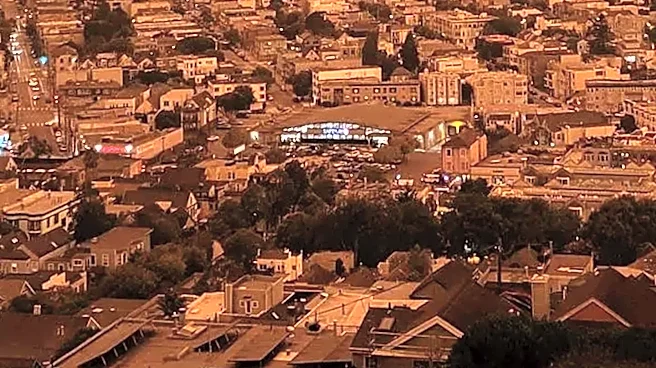
Downtown San Francisco, particularly the Union Square district, is experiencing a visible recovery in its retail sector, marked by cleaner streets, increased foot traffic, and a decline in retail vacancy rates. City officials and business leaders note
that Union Square's retail vacancy rate, which peaked at nearly 23%, has now decreased to slightly above 15%. This improvement is significant, though it remains considerably higher than the 6.4% vacancy rate recorded in 2019, prior to the pandemic. The positive trend has encouraged some retailers, such as Uniqlo, to return to the area. Commercial real estate professionals attribute part of this recovery to reduced retail theft, which has made businesses more willing to consider downtown locations. However, the recovery is uneven, with areas further east along Market Street still facing challenges related to vacant storefronts, homelessness, mental illness, and public disorder, which continue to impact customer perceptions.
Why It's Important?
The partial recovery of San Francisco's Union Square retail sector is important as it signals a potential rebound for urban commercial centers heavily impacted by the pandemic. A thriving retail district contributes significantly to local economies through job creation, tax revenue, and overall urban vitality. The return of major retailers and the decline in vacancy rates can instill confidence in other businesses and investors, potentially leading to further economic growth and revitalization. However, the uneven nature of the recovery highlights persistent challenges in urban areas, particularly concerning homelessness and public safety, which can deter investment and consumer activity. The situation in San Francisco serves as a case study for other U.S. cities grappling with post-pandemic economic adjustments, demonstrating that while progress is being made, a full return to pre-pandemic conditions requires sustained effort and comprehensive solutions to complex urban issues.
What's Next?
The recovery in downtown San Francisco is expected to continue, with further momentum anticipated from a planned $42 million streetscape improvement project on Powell Street, scheduled to begin in November. This project aims to enhance the area's appeal and is already attracting interest from prospective tenants. Business leaders and city officials remain optimistic about the long-term trajectory, despite acknowledging that significant work is still needed to address remaining vacancies and street issues. The ongoing efforts to improve public safety and address social challenges will be crucial in sustaining this recovery. The situation also suggests that while some high-profile spaces remain vacant due to former tenants continuing to pay rent on closed businesses, new investments and a renewed focus on urban infrastructure could gradually fill these gaps, leading to a more comprehensive revitalization of the downtown area.
Beyond the Headlines
The uneven recovery in San Francisco's retail sector underscores broader societal shifts and challenges exacerbated by the pandemic. The disparity between Union Square's progress and the struggles of other downtown areas highlights the complex interplay of economic, social, and public health factors. The emphasis on reduced retail theft as a driver for business return points to the critical role of public safety in urban economic health. Furthermore, the persistent issues of homelessness and mental illness in certain areas reveal the need for integrated urban planning that goes beyond commercial incentives to address fundamental human needs. This situation could trigger long-term shifts in urban development strategies, pushing cities to adopt more holistic approaches that combine economic revitalization with social support systems, aiming for more resilient and equitable urban environments in the face of future disruptions.